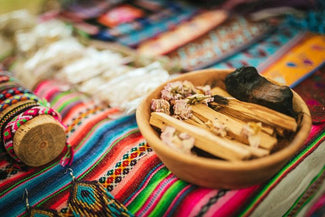


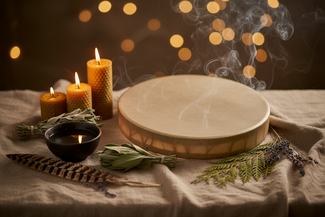
Ein Leitfaden zu Palo Santo: Bedeutung, traditionelle Anwendungen, Energiereinigung, rituelle Praxis und die Wahl von ethisch gewonnenem Heiligen Holz.

Wenn Sie jemals ein Bündel hellen, harzreichen Holzes in einem Esoterikladen in die Hand genommen und sich gefragt haben, was Palo Santo ist, sind Sie nicht allein. Es ist eines jener Ritualwerkzeuge, das viele Menschen am Geruch erkennen, bevor sie seine Geschichte, seinen Zweck oder seinen Platz in der persönlichen Praxis vollständig verstehen. Warm, holzig und leicht zitrusartig, wird Palo Santo oft zur Unterstützung bei Reinigung, Erdung und dem Setzen von Absichten verwendet.
Palo Santo bedeutet im Spanischen „Heiliges Holz“. Es stammt vom Bursera graveolens, einem Baum, der in Teilen Südamerikas, insbesondere in Peru und Ecuador, heimisch ist. Für viele Menschen gehört es neben Räucherwerk, Kerzen, Harzen und Kräutern zu einem umfassenderen rituellen Werkzeugkasten. Doch im Gegensatz zu einigen alltäglichen Raumduftprodukten birgt Palo Santo kulturelle, spirituelle und ethische Aspekte, die es wert sind, vor der Anwendung verstanden zu werden.
Was ist Palo Santo?
Im Grunde ist Palo Santo ein duftendes Holz, das traditionell wegen seines Aromas und seiner spirituellen Assoziationen verbrannt wird. Es wird seit Generationen in zeremoniellen und volkstümlichen Praktiken verwendet, insbesondere in indigenen und lokalen Traditionen in Teilen Mittel- und Südamerikas. Menschen greifen oft darauf zurück, wenn sie stagnierende Energie klären, die Atmosphäre eines Raumes beruhigen oder den Beginn einer Meditation, eines Gebets oder einer Altararbeit markieren möchten.
Der Duft ist ein großer Teil seines Reizes. Gutes Palo Santo hat einen natürlich reichen Duft mit holzigen, süßen und leicht belebenden Noten. Es wird oft als sanfter und runder als weißer Salbei beschrieben, was ein Grund ist, warum manche es für den regelmäßigen Gebrauch zu Hause bevorzugen. Anstatt eine scharfe, rauchige Intensität zu erzeugen, wirkt Palo Santo tendenziell weicher und beruhigender, obwohl dies je nach Stick, Trockenheit des Holzes und Art der Ernte variieren kann.
Warum verwenden Menschen Palo Santo?
Für spirituelle Praktiker ist Palo Santo selten nur eine Frage des Duftes. Es wird oft als Teil einer bewussten Praxis verwendet. Sie könnten es vor dem Tarot-Lesen, während der Meditation, bei der Vorbereitung eines rituellen Bades oder beim Zurücksetzen der Energie Ihres Wohnraums nach einer schwierigen Woche anzünden. In diesem Sinne funktioniert es ähnlich wie andere rituelle Hilfsmittel – nicht als magische Lösung, sondern als sensorischer Hinweis, der Ihnen hilft, den Zustand zu ändern und präsenter zu werden.
Manche Menschen verbinden Palo Santo mit Energiereinigung. Andere verwenden es, um eine ruhige Umgebung für Reflexion, Tagebuchschreiben oder Atemübungen zu schaffen. Wenn Sie einen rituellen Raum zu Hause einrichten, kann es sich natürlich neben Kerzen, Räuchergefäßen, Kristallen, Klangschalen oder ätherischen Ölen einfügen. Anfänger schätzen oft, dass es zugänglich wirkt. Erfahrene Praktizierende verwenden es möglicherweise selektiver, je nach der von ihnen befolgten Tradition und der Absicht der Arbeit.
Es gibt auch die einfache Tatsache, dass viele Menschen den Duft wirklich genießen. Nicht jede Anwendung muss zutiefst zeremoniell sein. Manchmal ist das Anzünden von Palo Santo einfach eine Möglichkeit, Wärme und Fokus in einen Raum zu bringen, besonders bei ruhigen Abendritualen oder Momenten der Ruhe.

Wie Palo Santo üblicherweise verbrannt wird
Die Verwendung von Palo Santo ist ziemlich einfach, aber es verhält sich anders als Räucherstäbchen oder -kegel. Ein Palo Santo-Stäbchen wird normalerweise an einem Ende gehalten und etwa 30 Sekunden lang angezündet, dann sanft ausgeblasen, damit es glimmt und duftenden Rauch freisetzt. Sie können diesen Rauch um Ihren Körper, durch einen Raum oder in der Nähe von Ritualwerkzeugen wie Tarotkarten, Kristallen oder Altarstücken fächeln.
Da Palo Santo oft recht schnell ausgeht, zünden viele Menschen es während einer einzelnen Sitzung mehr als einmal neu an. Das ist normal. Es ist ein dichtes Holz und kein kontinuierlich brennendes Räucherprodukt. Sie arbeiten mit kurzen Rauchstößen und nicht mit einem langen, gleichmäßigen Brand.
Es wird am besten in einer feuerfesten Schale oder einem Teller und, wenn möglich, bei leicht geöffnetem Fenster verwendet. Ziel ist es nicht, eine Rauchwolke zu erzeugen, sondern es bewusst einzusetzen. Weniger ist oft mehr.
Wofür wird Palo Santo in der spirituellen Praxis verwendet?
Praktisch gesehen wird Palo Santo oft zur Raumreinigung, zur Meditationsunterstützung und zur rituellen Vorbereitung verwendet. Wenn ein Raum schwer oder unruhig wirkt, gehen manche Menschen mit einem angezündeten Stäbchen durch den Raum, während sie sich auf Loslassen und Erneuerung konzentrieren. Andere verwenden es vor Yoga, Mondritualen, beim Tagebuchschreiben oder Kartenlegen, um den Übergang von alltäglichen Aufgaben zu einer bewussten Praxis zu markieren.
Es kann auch Teil der Altarpflege sein. Wenn Sie zu Hause einen speziellen heiligen Raum haben, kann Palo Santo beim Auffrischen dieses Bereichs verwendet werden, vielleicht zusammen mit einer neuen Kerze, einem Kristallgitter, frischen Blumen oder einer Schale Wasser. In diesem Zusammenhang wird der Duft Teil der Atmosphäre der Hingabe und Konzentration.
Das hängt jedoch von Ihren Überzeugungen und Ihrer Sensibilität ab. Manche Menschen lieben rauchbasierte Reinigungsmethoden. Andere bevorzugen Sprays, Harze, Raumsprays oder ätherische Ölmischungen. Wenn Rauch in Ihrem Zuhause nicht geeignet ist, ist Palo Santo nicht der einzige Weg, eine geerdete Umgebung zu schaffen.
Die ethische Seite von Palo Santo
Hier wird das Gespräch wichtiger als eine einfache Produktbeschreibung. Palo Santo ist in globalen Wellness-Bereichen sehr populär geworden, aber nicht alle Beschaffungsmethoden sind gleich. Ethische Bedenken konzentrieren sich oft auf Überernte, irreführende Behauptungen und mangelnden Respekt vor den kulturellen Traditionen, die mit dem Holz verbunden sind.
Traditionell wird Palo Santo-Holz von natürlich umgestürzten Ästen oder Bäumen gesammelt, die abgestorben und über längere Zeit liegen geblieben sind, sodass sich die aromatischen Öle entwickeln konnten. Nachhaltig gewonnenes Palo Santo sollte aus bewirtschafteten Systemen stammen, die sowohl das Ökosystem als auch die am Ernteprozess beteiligten Gemeinden respektieren. Wenn ein Produkt vage über die Herkunft ist oder weitreichende spirituelle Behauptungen macht, ohne auf die Beschaffung zu achten, ist das fragwürdig.
Für Käufer in Großbritannien ist dies wichtig, denn Popularität kann Nuancen nivellieren. Ein spirituell motivierter Kauf sollte dennoch ein informierter Kauf sein. Es ist völlig vernünftig, Produkte zu wünschen, die Ihre Rituale unterstützen und gleichzeitig Wert auf Herkunft, Nachhaltigkeit und kulturellen Respekt legen.

Palo Santo im Vergleich zu Salbei und Räucherwerk
Oft begegnen Menschen Palo Santo auf der Suche nach Alternativen zu weißem Salbei, und die beiden werden häufig zusammen genannt. Beide können für Reinigungsrituale verwendet werden, sind aber in Duft, Tradition oder Gefühl nicht austauschbar. Weißer Salbei ist eher schärfer, krautiger und intensiver. Palo Santo ist normalerweise süßer, holziger und weicher.
Im Vergleich zu Räucherwerk ist Palo Santo weniger einheitlich. Räucherstäbchen sind konsistent, praktisch und in einer Vielzahl von Düften und Traditionen erhältlich. Palo Santo wirkt elementarer. Es kann ideal sein, wenn Sie gerne mit natürlichen Materialien und kürzeren rituellen Momenten arbeiten, aber weniger ideal, wenn Sie einen langen, ununterbrochenen Brand wünschen.
Deshalb haben viele Menschen mehr als eine Option zur Hand. Sie bevorzugen vielleicht Palo Santo für die Meditation, Harzräucherwerk für Zeremonien und Räucherstäbchen für die alltägliche Atmosphäre. Verschiedene Werkzeuge passen zu unterschiedlichen Stimmungen, Räumen und Absichten.
Wie man Palo Santo gut auswählt
Wenn Sie Palo Santo zum ersten Mal kaufen, ist Qualität entscheidend. Das Holz sollte bereits vor dem Verbrennen duften. Es sollte nicht übermäßig feucht, muffig oder duftlos wirken. Ein guter Stick hat normalerweise eine sichtbare natürliche Maserung und einen harzigen Charakter, der bei Hitze deutlicher wird.
Verpackung und Händlerinformationen können Ihnen ebenfalls viel verraten. Achten Sie auf klare Details zur Herkunft und eine fundierte Produktsprache. Überzogene Versprechungen sind selten ein Zeichen für Qualität. Ein vertrauenswürdiger spiritueller Händler sollte Palo Santo ehrlich positionieren können – als Ritual- und Wellnessprodukt mit echter sensorischer und kultureller Bedeutung, nicht als Allheilmittel.
Für diejenigen, die eine breitere Praxis aufbauen, passt Palo Santo oft natürlich in eine Sammlung, die Räucherwerk, Kerzen, Kristallreinigungs-Tools, Altarzubehör und Meditationshilfen umfasst. Bei Sacred Essence ist diese Art von durchdachter Kombination ein Teil dessen, was persönliche Rituale sowohl zugänglich als auch bedeutungsvoll macht.
Einige vernünftige Vorsichtsmaßnahmen
Palo Santo sollte immer vorsichtig verwendet werden. Lassen Sie einen glimmenden Stick niemals unbeaufsichtigt und vermeiden Sie die Verwendung von Rauchprodukten in der Nähe von Haustieren, kleinen Kindern oder Personen mit Atemwegserkrankungen. Wenn Sie in einer Wohnung oder einem Raum mit eingeschränkter Belüftung leben, kann eine sehr geringe Menge ausreichen.
Es lohnt sich auch, Ihre Absicht zu überprüfen. Rituelle Werkzeuge wirken am besten, wenn sie das Bewusstsein unterstützen, anstatt es zu ersetzen. Das Verbrennen von Palo Santo kann dazu beitragen, eine Stimmungs- und Fokusänderung herbeizuführen, ist aber kein Ersatz für Ruhe, Reflexion oder praktische Maßnahmen, wo diese erforderlich sind.
Palo Santo ist am besten, wenn es mit Sorgfalt verwendet wird – als wunderschöne, duftende Unterstützung für einen heiligen Raum, nicht als Trend, der gedankenlos genutzt wird. Wenn es Sie anspricht, lassen Sie es Teil einer Praxis sein, die respektvoll, geerdet und wirklich Ihre eigene ist.
Besuchen Sie unseren Laden in Coniston, im Lake District, und sehen Sie unsere Produkte persönlich – Heilkristalle, Palo Santo, Räucherwerk, Tarot, heilige Sprays, Trommeln, Klangschalen und mehr.
Wir haben Kundenparkplätze und befinden uns in der Nähe des Coniston Water, sodass Sie vorbeischauen, stöbern, entspannen und abschalten können.
Besuchen Sie uns oder erkunden Sie online
Sie sind jederzeit herzlich eingeladen, unseren Laden in Coniston, im Herzen des Lake District, zu besuchen, wo wir Sie gerne persönlich beraten. Oder stöbern Sie online und entdecken Sie unser gesamtes Sortiment an Räucherwerk, Sprays, Kristallen und Ritualwerkzeugen.
Besuchen Sie uns in Coniston oder erkunden Sie online bei Sacred Essence
Sie können uns auch auf Instagram und Facebook folgen, um Inspirationen, Neuheiten und Updates aus unserem Coniston-Geschäft zu erhalten.