
Qero Paqo's Sacred Mestana Textile - Shamanic Ritual Cloth - (Newly handwoven)

Mesa/Mestana Cloths

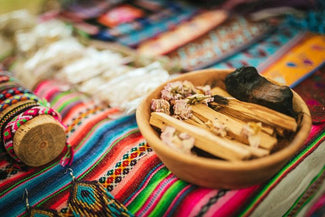
Description: Mesa or Mestana refers to a ritual cloth used for blessings, prayers, and holding sacred objects. Traditionally made from 100% hand-spun, handwoven sheep's wool, and dyed with natural dyes. The term "Mesa" denotes plains, while "Mestana" signifies high plains.

Note on Authenticity: These textiles are sourced directly from Q'ero families, not companies. They may be newly woven or have been used ceremonially for years. We specify the condition of each piece.

Features:

  • Uses: Sacred altar cloth, personal altar for medicine wheels, holds power objects and stones
  • Colour Combinations: Rich and subtle tones - Reds, Purple Pinks, Green & Yellow
  • Approx Size: 67 cm x 70 cm (26.5" x 27"), with a slight tolerance of 5% +/-. Naturally dyed
  • Material: Mixture of sheep’s & alpaca wool, hand spun and naturally dyed
  • Origin: Handcrafted by Peruvian Qero and Chinchero shamans

Significance: These cloths serve as personal altar spaces and birthing cloths, symbolizing spiritual rebirth and transformation. Each design reflects the unique traditions and symbols of the weaving family. They are used alongside inner cloths (uncunas or wachalas) and mesa ties to represent the inner and outer worlds.

Fair Trade Practices: Purchases support the preservation of Qero cultural heritage and community life, with fair trade exchanges including currency or essential goods like flour, maize, sugar, or rice.

Design and Appearance of Q'ero Cloths

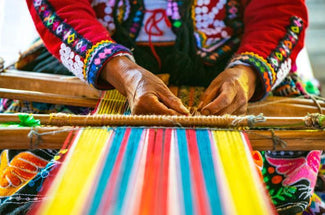
Unique Charm and Character: Each cloth is handwoven by Q'ero families from the Andes, a community known for their deep spiritual heritage. The Q'ero, or "rainbow children," are descendants of ancient priests and shamans. These textiles reflect their rich lineage and sacred traditions.

Newly Woven or Ceremonially Used: Textiles are crafted with specific sacred purposes in mind. They may be newly woven or bear marks from ceremonial use by Q'ero families. Handmade through traditional processes, each piece carries unique spiritual significance.

Care Instructions: Wool-rich cloths should be gently hand-washed with natural soap. Marks from use or dye add to the cloth’s character. Wax can be removed with paper and mild heat. Steam pressing with warm steam is recommended for freshening up the cloth.

Origin of Mestanas: Sourced from the Pago's Qero medicine people in the high Andes of Peru, these cloths are made from naturally dyed sheep wool. They serve various sacred purposes, from creating powerful altars to cradling newborns, and are often used with an inner cloth known as a wachala or Unkuna.

Meaning of the Cloth: The design and colors of each cloth reflect unique symbolic meanings. Made in two halves to represent duality, they balance energies such as masculine and feminine. Colors and symbols vary by family, with each cloth offering personal and spiritual significance.

What is the Design and appearance of the each particular cloth?

Each cloth possesses its unique charm and character, handwoven by different families within the Q'eros community—a village nestled high in the Andes among the 'sacred mountains,' with Ausangate being a central sacred mountain to the Q'ero. The Q'ero people, often referred to as the "rainbow children," are descendants of priests and shamans, representing a longstanding lineage of healers and medicine men and women.

Newly Woven or Used in ritual by the family?

Note: Aged & Authentic Textiles

These textiles are not acquired from companies but from individuals, crafted with specific intentions as sacred cloths for altars. Handmade through natural processes of hand spinning, dyeing, and hand weaving, they may be new or bear the marks of ceremonial use by Q'ero families, a practice passed down through generations.

How to clean a cloth?

Cleaning requires care for wool-rich cloths, with subtle marks treated through gentle hand washing with natural soap. Wax can be removed with paper and mild heat using an iron. Wear marks contribute to the cloth's character, and dye marks are considered part of its uniqueness. While most cloths are pristine, any significant marks or use will be transparently highlighted in the item description. For those seeking fresh-from-the-loom options, the 'Chinchero Shaman’ selection is recommended.

Cloths can be steam pressed with warm steam only.

Where do mestana's come from?

These mesa cloths are procured from the Pagos Qero medicine people situated high in the Andes of Peru. Handwoven with naturally dyed sheep wool by the Q'ero community, these cloths carry profound symbology, meaning, and intent. They serve various purposes, from cradling newborns during their entry into the world to becoming powerful altars that hold an individual's essence and gifts during their transformative journey around the medicine wheel. As representations of personal transformation, power objects are placed within the cloth, often accompanied by an inner cloth known as either a wachala or Unkuna, the local names varying by region.

What is the meaning to a cloth?

Each family and region infuse unique meaning into the creation of these cloths. Made in two halves, representing duality, the balance between masculine and feminine, left and right, the coming together of energies, and more.

The colors and overall composition are individual to the Qero, with symbols and layouts varying from family to family. For instance, the black, symbolizing "pa and cha" or Pachamama, may be wider in some cloths, providing grounding, while others might have narrower black areas with abundant Inti (sun) symbols, creating a busy yet powerful cloth. Some may seek the calming influence of "the waters" to balance their inner fires, while others aim to ignite more fire. Each cloth and its call to you hold unique symbology, creating a personal and meaningful connection.

Orders & Shipping
Orders placed before 3:00pm are processed and shipped the same day. We ship worldwide.

Tracking Information
Please monitor your parcel using the tracking details provided in your shipping confirmation email. Tracking is usually updated within 24 hours of dispatch and continues until delivery is confirmed.

Duties & Taxes
EU and international duties and taxes are the responsibility of the customer and must be paid locally where applicable. For non-UK customers, UK tax is automatically removed at checkout once the shipping destination is selected.

Customs Delays
Some international orders may be delayed due to customs checks, which are outside our control. Delays may be longer during busy periods.

Returns
For orders that qualified for free delivery, returned items may be subject to the original shipping fee and any collection costs.

Refused or Cancelled International Orders
International orders that are refused, returned, and then cancelled may be subject to a 10% surcharge. Parcels can be re-shipped on request, although an additional charge may apply.