

How Backflow Incense Works, Choosing the Right Burner & Creating the Waterfall Effect

A ribbon of smoke spilling down a ceramic waterfall can turn an ordinary pause into a small, sensory ritual. Unlike traditional incense, where smoke generally rises and disperses into the room, backflow incense creates a mesmerising downward cascade, flowing through carefully designed burners like mist travelling over a miniature landscape.
The effect is beautiful, but it also raises practical questions. Why does the smoke flow downwards? Do you need special cones? Why does the waterfall sometimes stop working? And how do you keep your burner clean?
This guide explores how backflow incense burners and cones work, how to choose the right combination, and how to enjoy their distinctive fragrance and flowing smoke safely.
Whether you are choosing your first burner, creating a meditation corner or adding something more sculptural to your sacred space, a little understanding will help you enjoy the full effect without disappointment.
How Backflow Incense Burners Work
Backflow incense relies on a specially designed cone with a hollow channel running through its centre.
When the cone is lit, some smoke rises naturally from the burning tip, while smoke also travels through the hollow channel towards an opening underneath. As it moves through the cone and into the burner, the smoke cools and forms a denser plume that can descend through the channels and ledges of the burner.
The effect is created by the combination of the cone's design, the temperature and density of the smoke, and the surrounding airflow. The burner then guides the descending smoke into the familiar waterfall appearance.
This is why an ordinary incense cone will not produce the same effect. Standard cones lack the hollow channel needed to direct smoke downwards.
For the waterfall effect, choose cones specifically labelled backflow incense cones, waterfall incense cones or reverse-flow incense cones.
Why Does Backflow Smoke Flow Downwards?
The flowing effect is partly a matter of physics.
As smoke travels through the hollow cone and cools, it can become denser than the surrounding warmer air. In relatively still conditions, this allows the smoke plume to descend rather than immediately disperse upwards.
The shape of the burner then guides the smoke over its surfaces, through openings or into small pools.
However, the effect is delicate. Air currents from an open window, fan, extractor or nearby radiator can interrupt the downward flow.
You do not need an airtight room. In fact, incense should always be used with suitable ventilation. The aim is simply to position the burner away from direct draughts while allowing fresh air into the space.
Choosing Backflow Incense Burners and Cones
The right backflow burner should be both practical and enjoyable to use.
Some people are drawn to lotus flowers, mountains, waterfalls and seated figures, particularly when creating a meditation space or altar. Others prefer simple ceramic cascades that sit comfortably on a shelf or table.
Choose a design that appeals to you, but also consider how and where you will use it.
Choosing a Backflow Incense Burner
Ceramic backflow burners are particularly popular because they are generally heat-resistant and relatively easy to clean.
When choosing a burner, consider:
- Size: A compact burner may suit a small meditation corner, while a larger design can create a more elaborate smoke display.
- Stability: Choose a burner with a secure, level base.
- Smoke channels: Clearly defined pathways help create a more visible cascade.
- Cleaning: Smooth glazed surfaces are often easier to maintain than intricate, heavily textured designs.
- Positioning: Make sure there is enough space around the burner for safe use.
A larger or more elaborate burner is not necessarily better. Sometimes a simple design produces a particularly attractive waterfall effect because the smoke has a clear pathway to follow.
Explore our Backflow Incense Burners to find a design that suits your home, meditation space or altar.

Choosing the Right Backflow Incense Cones
Backflow cones are available in many familiar incense fragrances, including sandalwood, jasmine, lavender, rose, patchouli, Nag Champa, White Sage and Palo Santo.
The best choice is often a matter of personal preference rather than fixed spiritual rules. Some people enjoy floral and woody fragrances for relaxation, while others are drawn to scents traditionally associated with cleansing, grounding or sacred space.
| Fragrance | Character | Often chosen for |
|---|---|---|
| Sandalwood | Warm, woody and softly earthy | Meditation, grounding and quiet evenings |
| Lavender | Floral and herbal | Restful surroundings and unwinding |
| Rose | Soft, floral and sometimes sweet | Self-care and nurturing rituals |
| Jasmine | Rich, sweet and floral | A comforting or uplifting atmosphere |
| Patchouli | Deep, earthy and distinctive | Grounding and reflective moments |
| Nag Champa | Warm, floral, woody and resinous, depending on the blend | Meditation, yoga and everyday incense enjoyment |
| White Sage | Herbal, earthy and sometimes sharp | Symbolic cleansing, refreshing a space and new beginnings |
| Palo Santo | Warm, woody, subtly sweet and sometimes citrus-like | Grounding, reflection and intentional rituals |
Fragrance profiles vary between manufacturers, so two cones carrying the same fragrance name may smell noticeably different.
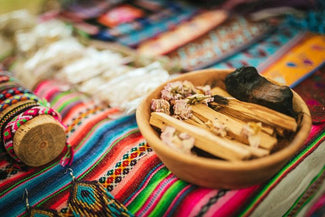
This is particularly worth remembering with White Sage and Palo Santo backflow incense. These cones are manufactured fragrance products inspired by the scent of the plants or woods. Their ingredients and fragrance compositions vary, and they should not automatically be assumed to contain the same materials as traditional White Sage bundles or Palo Santo wood.
White Sage has particular significance within some Indigenous North American traditions, while Palo Santo has distinct histories and uses in parts of Latin America. Enjoying a fragrance-inspired incense cone is not the same as practising those cultural ceremonies, and the traditions should not be treated as interchangeable.
Backflow cones may also smell different while burning from how they smell in the packet. Their formulation is designed to produce the downward smoke effect, and some users find the burning scent stronger or smokier than expected.
If fragrance is your main priority, it can be worth comparing backflow cones with conventional incense sticks or cones.
Explore our Backflow Incense Cones to discover different fragrances and find one that appeals to you.

How to Use a Backflow Incense Burner Safely
Using a backflow burner is straightforward once you understand how the cone and burner work together.
Step 1: Prepare a Safe Surface
Place the burner on a stable, level, heat-resistant surface.
Keep it away from curtains, paper, dried flowers, fabrics and other flammable materials.
A ceramic tile or suitable heat-resistant tray underneath can provide additional protection and make cleaning easier.
Keep burning incense out of reach of children and pets, and never leave it unattended.
Step 2: Light the Backflow Cone
Hold the cone carefully and light its pointed tip.
Allow the flame to catch briefly before gently extinguishing it, leaving the tip glowing and producing smoke.
If the cone goes out completely, it may need to be relit.
Step 3: Position the Cone Correctly
Place the cone on the designated holder at the top of the burner.
Make sure the hollow opening underneath the cone aligns with the opening in the burner.
This alignment is essential. If the holes do not meet properly, the smoke may rise rather than travel through the waterfall channels.
Step 4: Allow the Waterfall Effect to Develop
The smoke may initially rise upwards, just as it would from ordinary incense.
After a minute or two, the downward cascade should begin to develop as the cone burns and smoke moves through its central channel.
Avoid moving the burner while the cone is burning.
Enjoy the changing patterns, but remember that the burner and cone can become hot.
Step 5: Allow Everything to Cool
Once the cone has finished burning, leave the burner and remaining ash undisturbed until completely cool.
Dispose of the ash safely and check that no glowing material remains.
Never place hot ash directly into a household bin.
Why Backflow Incense Can Leave a Residue
One of the most common surprises for first-time backflow incense users is the residue that can appear on the burner.
Because the smoke travels downwards and passes over the ceramic surfaces, particles and condensed compounds from the burning incense can collect along its pathways.
This may create a slightly oily, sticky or dark deposit, particularly with heavily fragranced cones.
It is a normal consequence of burning incense and does not necessarily indicate a faulty burner.
How to Clean a Backflow Incense Burner
Allow the burner to cool completely before cleaning.
Wipe glazed ceramic surfaces with a soft, damp cloth. For more persistent deposits, a little mild washing-up liquid in warm water may help, provided the manufacturer's care instructions permit it.
Avoid abrasive pads, harsh cleaning products or soaking delicate painted finishes.
Pay particular attention to the small opening beneath the cone. A cotton bud or soft brush can help remove accumulated residue once everything is cool.
Regular cleaning helps maintain the waterfall effect and keeps the burner looking attractive.
It is also worth protecting wooden furniture and delicate surfaces beneath the burner, as residue can sometimes extend beyond the ceramic design.

Creating a Meaningful Backflow Incense Ritual
Backflow incense has a distinctive quality that goes beyond fragrance.
The movement of smoke invites us to watch rather than hurry. It gathers, falls, changes direction and slowly disappears.
For some people, that visual rhythm becomes a helpful focus during meditation, reflection or spiritual practice.
You might light a cone before journalling, while preparing an altar or as part of a quiet evening routine.
The waterfall can provide a gentle reminder to slow down, particularly when the day has felt busy or demanding.
Pairing Fragrance with Intention
Some practitioners choose incense according to traditional fragrance associations.
Sandalwood may be associated with grounding and meditation, rose with tenderness and self-nurturing, and lavender with rest.
White Sage-inspired incense is often chosen for symbolic cleansing, renewal or marking a fresh beginning. The herbal fragrance may appeal when preparing a room for meditation, clearing away the distractions of a busy day or creating a personal moment of transition.
Palo Santo-inspired incense is often chosen for its warm, woody fragrance and associations with grounding, reflection and intentional practice. Some people enjoy it before journalling, quiet contemplation or settling into an evening ritual.
Neither fragrance needs to be treated as possessing guaranteed cleansing powers. The meaning comes from the intention, associations and personal experience you bring to the practice.
Others choose incense entirely through enjoyment.
There is no requirement to assign a spiritual purpose to every fragrance.
Sometimes the pleasure of watching the smoke descend through a ceramic waterfall, accompanied by a favourite scent, is enough.
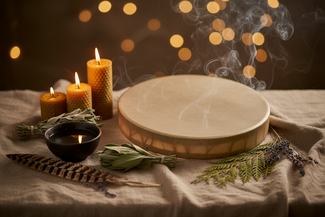
A backflow burner can also sit naturally alongside candles, crystals, meditation cushions and other meaningful objects within a personal sacred space.
If you are developing your own practice, our Incense Guide, Sage vs Palo Santo Guide and How to Create an Altar – A Complete Guide offer further ideas.
FAQs - Common Backflow Incense Burner Problems
Why Is the Smoke Rising Instead of Flowing Down?
First, check that you are using a genuine backflow cone.
Then make sure the hollow opening underneath the cone aligns with the burner.
Allow the cone a little time to warm and establish its smoke flow.
If the effect still does not appear, check for draughts, blocked channels or a burner that is not sitting level.
Why Is There Little or No Smoke?
The cone may not have been lit sufficiently, or the burning tip may have gone out.
Moisture can also affect how incense burns, so store cones in a dry place away from excessive humidity.
If the cone is burning but the downward effect is weak, check the burner opening for residue or ash once it has cooled.
Why Does the Smoke Stop Flowing Halfway Through?
The waterfall effect may vary during a cone's burn time.
Small changes in airflow, the amount of smoke being produced and the remaining cone structure can affect the cascade.
A temporary interruption does not necessarily mean something is wrong.
Can I Use Ordinary Incense Cones in a Backflow Burner?
You may be able to burn an ordinary cone in a suitable heat-safe holder, but it will not create the waterfall effect.
Ordinary cones do not have the central hollow channel that directs smoke through the burner.
For the intended visual display, use backflow cones.
Can I Use Backflow Cones in a Normal Incense Cone Holder?
Yes, provided the holder is designed to withstand the heat and safely catch ash.
However, the downward smoke effect will not be displayed in the same way.
How Long Does a Backflow Incense Cone Burn?
Many backflow cones burn for approximately 15–30 minutes, although the exact duration varies according to size, formulation and conditions.
The visible waterfall effect may not continue throughout the entire burn.
Always follow the manufacturer's guidance for the cones you are using.
Are Backflow Incense Burners Suitable for Every Room?
Backflow burners are best used in a stable location with suitable ventilation and away from direct draughts.
Avoid confined or poorly ventilated rooms, particularly where people are sensitive to smoke or fragrance.
If someone has asthma or another respiratory condition, incense smoke may aggravate symptoms. A smoke-free alternative may be more appropriate.
Backflow burners are decorative fragrance accessories, not air purifiers or therapeutic devices.

Explore Further with Sacred Essence
The beauty of backflow incense lies in its combination of fragrance, movement and atmosphere.
Whether you prefer a simple ceramic cascade or an elaborate waterfall design, the right burner and cones can bring a little more enjoyment to everyday moments.
Explore Backflow Incense & Burners
- Backflow Incense Burners — explore waterfall-style designs, ceramic cascades and decorative incense holders.
- Backflow Incense Cones — discover fragrances specifically made for backflow burners.
- White Sage Incense — explore herbal fragrances traditionally associated with cleansing and renewal.
- Palo Santo Incense — discover warm, woody fragrances for grounding and reflective moments.
- Incense Holders & Accessories — find suitable holders and accessories for different styles of incense.
Related Guides
Continue Reading
- How to Use Incense Safely at Home
- Incense Cones vs Sticks: What's the Difference?
- The Complete Guide to Incense Cones

A Final Thought
Sometimes the pleasure of incense is simply watching the smoke find its own path.
It moves, gathers, disappears and begins again, inviting us to enjoy something beautiful without needing to make more of the moment.
Whether you choose the warmth of sandalwood, the floral softness of jasmine, the herbal character of White Sage or the woody fragrance of Palo Santo, the experience can be as simple or as meaningful as you wish.
“A little fragrance, a gentle cascade of smoke and a few moments to simply watch.”
Sacred Essence 🌈