


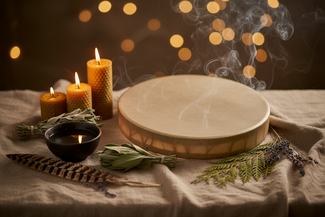
Wie Sie mit Räucherstäbchen, Sprays, Kristallen und einfachen täglichen Ritualen ein ruhiges Zuhause schaffen

Ein ruhiges Zuhause entsteht selten zufällig. Vielmehr wird es durch kleine Entscheidungen geprägt – den Sessel, in dem man wirklich sitzen möchte, den Duft, der die Schultern entspannt, die Ecke, die eher klar als überladen wirkt. Beim Schaffen eines ruhigen Raumes zu Hause geht es nicht um Perfektion oder einen Ausstellungsraum-Look. Es geht darum, dass Ihre Umgebung unterstützend, geerdet und leicht zugänglich wirkt.
Für manche Menschen bedeutet das eine ruhige Leseecke mit einer Kerze und einem weichen Überwurf. Für andere bedeutet es eine Meditationsecke, einen Altar am Bett, ein Kristallregal oder einfach ein Wohnzimmer, das sich nicht mehr energetisch überladen anfühlt. Die effektivsten ruhigen Räume sind persönlich. Sie spiegeln wider, wie Sie sich in Ihrem Zuhause fühlen möchten, und nicht, wie jemand anderes meint, dass es aussehen sollte.
Beginnen Sie mit dem Gefühl, nicht mit den Möbeln
Bevor Sie etwas Neues auswählen, halten Sie inne und überlegen Sie, welche Atmosphäre Sie schaffen möchten. Ruhe kann je nach Ihrem Leben und Ihrer Praxis unterschiedliche Bedeutungen haben. Sie möchten vielleicht einen Raum, der sich tief erholsam, emotional beruhigend, spirituell geschützt oder still erhebend anfühlt.
Diese Unterscheidung ist wichtig. Ein erholsames Schlafzimmer erfordert vielleicht sanftere Farben, eine sanfte Aromatherapie und sehr wenig visuelle Reize. Ein spirituell ausgerichteter Übungsbereich könnte rituelle Werkzeuge, Tarot- oder Orakelkarten, Räucherwerk, Kristalle und ein Tuch oder eine Matte umfassen, die den Raum als bewusst kennzeichnet. Beide sind ruhig, aber sie sind nicht auf ganz dieselbe Weise arrangiert.
Hier kaufen oder gestalten viele Menschen zu viel. Wenn Sie beginnen, Gegenstände ohne klare Absicht zu sammeln, kann der Raum am Ende eher überladen als friedlicher wirken. Ein ruhiger Raum funktioniert am besten, wenn jeder Gegenstand eine Rolle hat, sei es praktisch, sensorisch oder symbolisch.
Reinigen Sie die Energie und die Oberflächen
Physischer Ballast kann einen Raum lärmend wirken lassen, aber energetische Schwere kann dasselbe bewirken. Wenn sich ein Raum abgestanden, flach oder seltsam auslaugend anfühlt, braucht er vielleicht mehr als nur ein Aufräumen. Eine sanfte energetische Reinigung kann helfen, die Stimmung eines Raumes zurückzusetzen, besonders nach Stress, Krankheit, Streit, Besuch oder Perioden schlechten Schlafs.
Dafür gibt es verschiedene Wege, und es hängt davon ab, was sich für Sie natürlich anfühlt. Räucherstäbchen, Harzräucherwerk, Raumsprays und ätherische Öle können alle dazu beitragen, die Atmosphäre zu verändern. Manche Menschen bevorzugen die erdende Wärme von Sandelholz oder Weihrauch. Andere fühlen sich ruhiger mit Lavendel, Palo Santo-Mischungen oder frischeren Kräuternoten. Wenn Rauch unpraktisch ist, kann ein Aura- oder Raumnebel eine einfachere Alltagsoption sein.
Auch Klang kann das Gefühl eines Raumes sehr schnell verändern. Eine Klangschale, ein Gong oder sanftes Trommeln kann helfen, stagnierende Energie aufzulösen und Ihre Aufmerksamkeit wieder auf die Gegenwart zu lenken. Dafür braucht es keine lange Zeremonie. Schon ein oder zwei Minuten können eine spürbare Veränderung bewirken.
Wählen Sie einen Bereich aus und gestalten Sie ihn bewusst
Wenn Ihr gesamtes Zuhause überwältigend wirkt, beginnen Sie klein. Ein Stuhl, ein Regal, ein Nachttisch oder eine Ecke eines Zimmers genügen für den Anfang. In der Praxis ist eine einzige bewusste Zone oft nützlicher, als zu versuchen, jeden Raum auf einmal zu verändern.
Eine ruhige Ecke sollte leicht zu pflegen sein. Das bedeutet, der Versuchung zu widerstehen, sie mit zu vielen Stücken zu füllen, selbst wenn sie schön sind. Lassen Sie genügend Raum, damit das Auge ruhen kann. Ein paar sorgfältig ausgewählte Gegenstände schaffen meist mehr Ruhe als eine größere Anordnung.
Für eine einfache spirituelle Wohlfühl-Einrichtung könnten Sie eine Kerze, ein oder zwei Kristalle, eine kleine Schale, ein Notizbuch und ein Lieblingsdeck hinzufügen. Wenn Sie bereits eine Altar-Praxis haben, möchten Sie diese vielleicht mit Ritualwerkzeugen, Blütenessenzen, heiligen Textilien oder Gegenständen, die mit Ihrer saisonalen Arbeit verbunden sind, erweitern. Der Schlüssel ist Kohärenz. Wenn alles in dem Raum dasselbe Gefühl unterstützt, beginnt der Bereich, diese Energie stärker zu halten.
Einen ruhigen Raum zu Hause durch die Sinne schaffen
Ruhe ist nicht nur visuell. In vielen Haushalten ist der schnellste Weg, die Stimmung zu ändern, mit den Sinnen zusammenzuarbeiten, anstatt sich allein auf die Dekoration zu verlassen.
Geruch ist oft das Erste, was Menschen bemerken. Kerzen, Räucherwerk und ätherische Öle können helfen, einen Übergang zwischen den Anforderungen des Tages und einem ruhigeren Geisteszustand zu markieren. Eine Kerze am Abend anzuzünden oder ein vertrautes Öl vor der Meditation zu vernebeln, kann ein erdendes Signal für den Körper werden. Wiederholung ist hier wichtig. Je öfter Sie einen Duft mit Ruhe verbinden, desto natürlicher signalisiert er Gelassenheit.
Textur ist genauso wichtig. Naturfasern, weiche Decken, Kissen, Teppiche und Rituale können einen Raum wärmer und geborgener wirken lassen. Dies ist besonders nützlich, wenn ein Raum sauber aussieht, sich aber emotional immer noch kalt anfühlt. Ein ruhiges Zuhause sollte sich nicht bis zur Unbehaglichkeit kahl anfühlen.
Licht ist ein weiterer stiller Einfluss. Helle Deckenbeleuchtung unterstützt selten die Erholung. Sanftere Lichtinseln von Lampen, Kerzen oder Salzlampen wirken tendenziell sanfter, besonders am Abend. Wenn Sie Ihren ruhigen Raum zum Kartenlegen, Journaling oder Nachdenken nutzen, überlegen Sie, ob die Beleuchtung Ihnen hilft, sich zu beruhigen oder Sie subtil unruhig macht.
Klang wird oft übersehen, bis ein Raum zu still oder zu laut wirkt. Manche Menschen entspannen am besten in Stille. Andere brauchen leise, gleichmäßige Geräusche wie Meditationsmusik, Naturgeräusche oder den resonanten Klang einer Klangschale. Es hängt von Ihrem Nervensystem und den Rhythmen Ihres Haushalts ab.
Lassen Sie Ihre spirituellen Werkzeuge ihren Platz verdienen
Wenn Sie sich zu Kristallen, Divinationswerkzeugen oder Ritualgegenständen hingezogen fühlen, verwenden Sie diese mit Absicht, anstatt sie nur als Dekoration zu betrachten. Ein Rosenquarzherz am Bett kann Sanftheit und Komfort unterstützen. Schwarzer Turmalin in der Nähe einer Tür kann schützend und erdend wirken. Amethyst in einem Lese- oder Meditationsraum kann eine nachdenklichere Stimmung schaffen.
Dasselbe Prinzip gilt für Tarot- und Orakelkarten. Ein sichtbar in Ihrem ruhigen Raum aufbewahrtes Deck kann eine regelmäßige Praxis fördern, aber nur, wenn der Bereich noch geräumig wirkt. Wenn jede Oberfläche bedeckt ist, können selbst bedeutungsvolle Werkzeuge zu visuellem Ballast werden.
Anfänger tun sich oft am besten mit weniger, vielseitigen Gegenständen, die häufig verwendet werden können. Erfahrene Praktizierende bevorzugen möglicherweise eine vielschichtigere Einrichtung, besonders wenn sie mit Altar-Praktiken, Mondritualen, schamanischen Werkzeugen oder zeremoniellen Produkten arbeiten. Keiner der Ansätze ist besser. Wichtig ist, ob der Raum Ihre tatsächliche Routine unterstützt.

Machen Sie Ruhe praktisch genug, um sie zu bewahren
Eine schöne Einrichtung ist wenig nützlich, wenn sie im Alltag umständlich ist. Ruhe muss zur Realität Ihres Zuhauses passen, einschließlich Kindern, Haustieren, Arbeitsabläufen, Stauraum und Budget. Ein Raum, in den Sie täglich zurückkehren können, wird Ihnen viel mehr dienen als einer, der nur eine Woche lang gut aussieht.
Das kann bedeuten, eine verschließbare Kiste für Ritualwerkzeuge zu wählen, damit der Raum ordentlich aussieht, wenn er nicht benutzt wird. Es kann batteriebetriebene Kerzen in bestimmten Bereichen bedeuten oder ätherische Ölroller anstelle eines offenen Diffusors. Wenn Ihr Zuhause belebt ist, muss Ihr ruhiger Raum vielleicht tragbar sein – ein Korb mit einem Tagebuch, Räucherwerk, einem Kristallarmband und einem Deck, das von Raum zu Raum bewegt werden kann.
Es gibt auch keine Regel, dass Ruhe farblich neutral oder minimalistisch im Stil sein muss. Für manche Menschen wirken reiche Textilien, heilige Kunstwerke und geschichtete Objekte zutiefst beruhigend. Für andere ist visuelle Einfachheit das, was ihnen hilft, durchzuatmen. Es hängt von Ihrem Temperament und Ihrer Praxis ab.
Ein ruhiger Raum sollte ein Ritual unterstützen, egal wie klein
Der Raum selbst ist wichtig, aber was die Ruhe wirklich verankert, ist die Wiederholung. Ein Raum wird erholsam, wenn Sie ihn konsequent nutzen. Dieses Ritual muss nicht aufwendig sein. Sie könnten jeden Morgen eine Tasse Tee trinken und eine Karte ziehen. Sie könnten Räucherstäbchen anzünden, bevor Sie Journaling betreiben, einen Kristall während der Atemarbeit halten oder fünf ruhige Minuten mit einer Kerze vor dem Schlafengehen verbringen.
Diese kleinen Handlungen signalisieren Ihrem Körper, dass dies ein Ort ist, um weich zu werden, zuzuhören und sich neu zu zentrieren. Mit der Zeit wird die Assoziation stärker. Der Raum beginnt schneller für Sie zu wirken, weil Ihr System ihn erkennt.
Wenn Sie diese Routine von Grund auf aufbauen, halten Sie sie einfach genug, damit sie einladend statt fordernd wirkt. Eine der unterstützendsten Eigenschaften eines gut kuratierten spirituellen Zuhauses ist, dass es Reibungen reduziert. Wenn Ihre Werkzeuge an einem Ort sind und Ihre Atmosphäre bereits stimmt, wird die Praxis leichter zu beginnen.
Bei Sacred Essence ist es oft das, wonach die Menschen wirklich suchen – nicht nur einzelne Produkte, sondern Stücke, die ihnen helfen, ein Zuhause zu gestalten, das sich bewusster, geerdeter und nährender anfühlt, um darin zu leben.
Wann Sie Ihren ruhigen Raum zu Hause auffrischen sollten
Selbst die friedlichste Ecke kann ihre Wirkung verlieren, wenn sie vernachlässigt oder zu vertraut wird. Wenn sich Ihr Raum flach anfühlt, benötigen Sie möglicherweise keine komplette Neugestaltung. Eine kleine Auffrischung ist oft ausreichend.
Sie könnten den Bereich reinigen, Ihre Kristalle drehen, den Kerzenduft wechseln, ein anderes Altartuch auflegen oder eine saisonale Note hinzufügen. Im Herbst und Winter können tiefere Düfte und wärmere Texturen beruhigender wirken. Im Frühling können leichtere Öle und frischere Farben ein Gefühl der Erneuerung erzeugen. Dies hält den Raum lebendig, ohne seinen Zweck zu verlieren.
Ein ruhiges Zuhause wird nicht an einem Nachmittag gebaut und dann für immer fertiggestellt. Es entwickelt sich mit Ihren Bedürfnissen, Ihrer Energie und Ihrer spirituellen Praxis. Der hilfreichste Ansatz ist sanft und reaktionsschnell. Beachten Sie, was Ihnen hilft, sich zu beruhigen, bemerken Sie, was sich erschöpfend anfühlt, und lassen Sie Ihren Raum die Version von Ruhe widerspiegeln, die Sie gerade wirklich brauchen.
Ein ruhiges Zuhause wird nicht an einem Nachmittag gebaut und dann für immer fertiggestellt. Es entwickelt sich mit Ihren Bedürfnissen, Ihrer Energie und Ihrer spirituellen Praxis. Der hilfreichste Ansatz ist sanft und reaktionsschnell. Beachten Sie, was Ihnen hilft, sich zu beruhigen, bemerken Sie, was sich erschöpfend anfühlt, und lassen Sie Ihren Raum die Version von Ruhe widerspiegeln, die Sie gerade wirklich brauchen.

Erkunden Sie Ruhezonen, Ritualwerkzeuge & Alltagswohlbefinden
Das Schaffen eines ruhigen Raumes zu Hause hängt selten von einer einzigen Veränderung ab. Meistens entsteht es durch das Zusammenführen kleiner, unterstützender Elemente – Duft, Licht, Textur und bedeutungsvolle Objekte – auf eine Weise, die sich natürlich und leicht zugänglich anfühlt.
Bei Sacred Essence beginnen viele Menschen mit einfachen Ergänzungen und bauen darauf auf, indem sie erkunden, was für ihr Zuhause und ihre Routine am besten funktioniert.
Ähnliche Produkte & Kollektionen entdecken
- Räucherwerk, Stäbchen, Harze & Palo Santo
- Heilige Sprays, Florida Water & Raum-Mists
- Heilkristalle & Trommelsteine
- Kerzen & Stimmungsbeleuchtung
- Spirituelle Bücher, Tarot & Orakelkarten
- Kristallarmbänder & Alltagshelfer
Jedes dieser Elemente kann dazu beitragen, einen Raum zu gestalten, der sich geerdeter, bewusster und unterstützender anfühlt.
Verwandte Anleitungen
- Heilige Sprays: Anwendungen, Vorteile & Alltagsrituale
- Palo Santo: Anwendungen, Vorteile & Ursprünge
- Salbei Räucherung: Unterschiede zwischen Weiß, Blau & Wüste
- Wie man Kristalle sicher reinigt
Ein ruhiges Zuhause ist nichts, was auf einmal fertiggestellt werden muss. Es entwickelt sich – es verändert sich mit Ihren Routinen, Ihren Bedürfnissen und der Art und Weise, wie Sie sich im Laufe der Zeit um Ihren Raum kümmern.
Besuchen Sie uns oder erkunden Sie online
Sie sind jederzeit herzlich eingeladen, unser Geschäft in Coniston im Herzen des Lake District zu besuchen, wo wir Sie gerne persönlich beraten. Oder stöbern Sie online und entdecken Sie unser gesamtes Sortiment an Räucherwerk, Sprays, Kristallen und Ritualwerkzeugen.
Besuchen Sie uns in Coniston oder erkunden Sie online bei Sacred Essence
Sie können uns auch auf Instagram und Facebook folgen, um Inspirationen, Neuheiten und Updates aus unserem Geschäft in Coniston zu erhalten.
Ein letzter Gedanke
Oft sind es die kleinsten Veränderungen – ein Duft, ein Licht, ein ruhiger Moment –, die den größten Unterschied im Empfinden eines Raumes ausmachen.
Eine sanfte Praxis, die oft wiederholt wird, kann zu etwas still Unterstützendem werden ✨
Sacred Essence 🌈