
A guide to the Q'ero Paqo mesa, despacho cloths, sacred textiles and traditional Andean ceremony.

If you have ever seen a beautifully folded Andean cloth holding medicine stones, sacred objects and prayer items, you have already met the heart of q'ero shaman altar explained: the andean mesa, despacho cloths & ritual tools. What looks simple at first glance is actually a living ceremonial bundle - part altar, part portable prayer space, and part spiritual relationship in physical form.
For many people drawn to Andean shamanic practice, the mesa is where everything starts to feel real. It brings prayer out of the abstract and into the hands. It also raises sensible questions. What is the difference between a mesa and a despacho? Which cloth is used for what? And which ritual tools are traditional, symbolic or simply supportive for a personal practice at home?
What is a Q'ero mesa?
In Andean energy traditions, a mesa is often understood as a sacred bundle or altar cloth that holds medicine items used in ceremony, prayer and healing work. The Q'ero people of the Peruvian Andes are widely associated with preserving powerful strands of this wisdom, and the mesa is one of the most recognisable expressions of that lineage.
A mesa is not just a surface where objects are placed for display. It is more intimate than a shelf altar and more active than decorative sacred space styling. It is assembled with intention, wrapped, carried, opened when needed and treated almost as a spiritual companion. That matters because the power of the mesa does not come from how full it looks. It comes from relationship - what has been prayed with, learned from and cared for over time.
For a beginner, this can feel both beautiful and slightly daunting. The good news is that a respectful home practice does not require you to imitate every ceremonial detail. It does ask for sincerity, care and a willingness to keep learning.
A mesa is more than an altar
Although “altar” is often the closest English word, a Q'ero mesa is more than a place to display sacred objects. It is a working ceremonial bundle, a prayer field and a relationship with the living world.
When opened, the mesa creates sacred space. When wrapped, it protects and carries the medicine items within it. This makes it different from a fixed home altar. A mesa can travel, gather experience, hold prayers and become part of the practitioner's ongoing spiritual work.

Q'ero shaman altar explained: cloth, bundle and prayer field
When people search for q'ero shaman altar explained, they are often trying to understand three things at once - the cloth itself, the items inside it and the ceremonial use of the whole bundle. These are linked, but they are not identical.
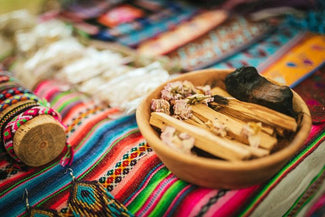
The cloth forms the container. In many Andean-informed practices, woven despacho cloths or mesa cloths are used to wrap and hold sacred tools. The bundle may contain stones, crystals, ceremonial seeds, sacred beads, shells, small ritual objects, personal talismans or lineage-based medicine pieces such as chumpi stones. When opened, the cloth becomes a temporary altar space. When folded, it protects and gathers the energy of the work.
This portable quality is part of what makes the mesa so resonant for modern practitioners. It allows sacred practice to be grounded, not performative. You can keep it on a home altar, take it to a healing session, open it for meditation, or use it to hold prayer items during moon rituals, gratitude work or seasonal ceremonies.

Pachamama, the Apus and the three worlds
Q'ero and Andean ceremonial practice is deeply connected with the living landscape. Pachamama, often understood as Mother Earth, is central to many offerings, prayers and acts of reciprocity. The Apus, or sacred mountain spirits, are also honoured as powerful presences within Andean cosmology.
The Andean worldview is often described through three worlds: Hanan Pacha, the upper world; Kay Pacha, the middle world of everyday life; and Ukhu Pacha, the inner or lower world. These ideas are often linked with the Chakana, or Andean cross, which symbolises connection, balance and movement between worlds.
For anyone working with Q'ero-inspired ritual tools, these ideas matter because they remind us that the mesa is not just about objects. It is about relationship — with the Earth, the mountains, the elements, the ancestors and the unseen dimensions of life.
The Andean mesa and the home altar
A home altar and an Andean mesa can complement one another, but they are not the same thing. A fixed altar usually creates a stable spiritual focal point in a room. It may include candles, incense, flowers, oracle cards, crystals or deity figures. It stays visible and helps shape the atmosphere of your space.
The mesa is more contained and ceremonial. It is often opened for specific work and then closed again. This difference is useful for anyone who wants a ritual practice that feels organised and intentional. If your home altar is the centre of your sacred space, the mesa is the medicine bundle you bring to it.
Some people prefer a simple setup with one woven cloth and a handful of meaningful objects. Others build a more developed ceremonial collection over time. Neither approach is automatically more authentic. What matters is whether the objects are chosen with reverence rather than collected as spiritual décor.

What are despacho cloths?
Despacho cloths are often associated with prayer offerings. In broad Andean spiritual language, a despacho is an offering ceremony - a consciously assembled prayer bundle made with symbolic items and given in gratitude, reciprocity and relationship with the living world. The cloth used in this context helps hold, present or wrap those offerings.
Because terms are sometimes used loosely in the modern spiritual marketplace, you may see despacho cloth, mesa cloth and altar cloth used almost interchangeably. In practice, the distinction can depend on lineage, teacher and purpose. Some practitioners keep one cloth for their mesa and a separate cloth for despacho work. Others use woven ceremonial textiles in a more flexible way.
If you are choosing a cloth for personal ritual, material, craftsmanship and feel all matter. A good ceremonial cloth should feel durable, respectful and pleasant to handle. It should also be large enough to hold your tools comfortably without becoming difficult to fold or store. Bright Andean-inspired textiles can carry strong visual symbolism, but there is no need to choose the most elaborate pattern if a simpler cloth feels more grounded for your practice.
Unkuna, mastana and despacho cloths
In Andean textile use, different cloths may serve different roles. An unkuna is often understood as an inner cloth or carrying cloth, used to hold sacred objects, offerings or medicine pieces. A mastana is generally a larger outer cloth, often used to wrap and protect the mesa as a whole.
The term despacho cloth is often used more broadly in modern spiritual shops to describe woven textiles used for offering ceremonies, altar work or mesa practice. These words can overlap depending on teacher, region and usage, so it is helpful to focus on purpose rather than becoming too rigid about labels.
For home practice, the most important question is simple: is this cloth being used to hold sacred objects, wrap a bundle, create altar space or support an offering? The answer will usually guide how it is used.
The symbolism of the Q'ero mesa cloths
The woven textiles themselves are far more than practical cloths. Within the Q'ero and wider Andean tradition, they are often understood as part of the ceremonial language of the mesa, carrying symbolism that reflects both everyday life and the spiritual journey.
Many mesa cloths are used together rather than alone. A larger outer cloth creates the ceremonial foundation, while a smaller innercloth holds the sacred medicine objects, prayers and ritual tools. Together they express the relationship between the visible and invisible aspects of life.
The larger mesa or manta cloth is often seen as representing the outer world — the life we walk each day, our relationships, our community and our visible path. When opened, it becomes the ceremonial space where ritual unfolds. It may serve as an altar cloth, a meditation mat or a place upon which sacred objects are arranged with intention.
The smaller inner cloth, often known as an unkuna or used as a despacho cloth, represents the inner world. It protects the medicine bundle and holds the personal objects, prayers and symbolic items carried within the mesa. When wrapped, it gathers together the practitioner's intentions and relationship with the sacred.
Together these cloths express a quiet but profound teaching: our inner world and outer world are not separate. Ceremony invites them into balance.

A tradition woven into everyday life
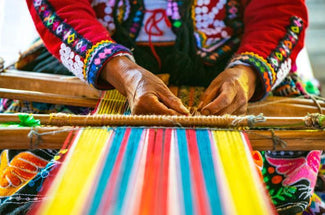
These textiles also carry meaning beyond ceremony. In the Andean highlands, woven cloth has traditionally been part of everyday family life for generations. Larger manta cloths have been used to carry children, transport food and belongings, gather harvests and support daily work across the mountains.
Because of this, many practitioners see the ceremonial mesa as something that grows naturally from ordinary life rather than standing apart from it. The same style of textile that nurtures family, community and daily living also becomes the foundation for prayer, gratitude and ceremonial practice.
Within the Q'ero tradition, the Sun (Inti), Pachamama (Mother Earth) and the Apus (sacred mountain spirits) are honoured as part of an ongoing relationship with the living world. The mesa reflects that relationship, reminding us that spirituality is woven into everyday life rather than reserved only for ceremony.
The mesa ties
The ties used to wrap a mesa are practical, but they are also deeply symbolic. Once the inner cloth has been folded and placed within the larger mesa cloth, the bundle is traditionally wrapped carefully and secured.
Many practitioners understand the wrapping itself as bringing together the inner and outer worlds, holding the ceremonial bundle with intention and respect. The ties help protect the contents while visually uniting the different layers of the mesa into a single sacred whole.
Some mesa ties are finished with Inti (Sun) beads or traditional woven details. These are often regarded as symbolic reminders of prayer, blessing and connection rather than simple decoration. The exact methods of folding and tying vary between teachers, families and lineages, but the underlying intention remains the same: to gather the medicine bundle with care before carrying it back into everyday life.
What goes inside a mesa?
There is no single universal packing list, and that is where discernment comes in. Traditional mesas can hold lineage-specific medicine objects with meanings that are not always appropriate to generalise. At the same time, contemporary practitioners often build a respectful altar bundle using tools that support prayer, grounding and energetic focus.
Common items may include crystals for anchoring intention, sacred stones or pebbles collected with permission, feathers, shells, prayer beads, small bowls, a rattle, incense, herbs, symbolic charms, a pendulum, flower essence bottles or written prayers. In more specialist Andean-informed practice, chumpi stones are especially significant and should be approached with understanding rather than treated as decorative extras.
A useful rule is this: every item should earn its place. If you cannot say why it belongs in your mesa, it may not need to be there. A tightly curated bundle often feels more potent than an overfilled one.

Ritual tools and how they are actually used
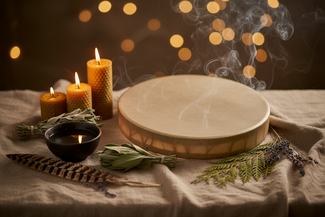
Ritual tools support focus, but they do not replace relationship. A candle can mark the beginning of ceremony. Incense or cleansing herbs can clear the space. A crystal can act as an anchor for a specific prayer. A singing bowl or drum can shift the state of the room and your own awareness. A woven cloth can create clear ritual boundaries between ordinary activity and sacred time.
The trade-off is that tools are easy to buy and slower to understand. It is possible to gather beautiful items without developing a meaningful practice around them. For that reason, the most supportive ritual tools are often the ones you will use consistently - perhaps a cloth, a few stones, a candle and one cleansing item. If your practice deepens, your toolkit can deepen with it.
For shoppers building a ceremonial space, it helps to think by function. Do you need items for grounding, cleansing, prayer, sound, divination or offering work? That question often leads to better choices than shopping by appearance alone.
Choosing a mesa cloth with care
If you are buying your first mesa or despacho cloth, start with quality and purpose. A well-made woven textile feels different in the hand. It folds cleanly, holds your tools securely and carries a sense of care before you have even placed a single object on it.
Size matters too. A smaller cloth can be ideal if you want a compact altar bundle for travel, healing sessions or private prayer. A larger cloth gives more room for a developed setup, especially if you use multiple stones, ceremonial tools or offering items.
Colour and pattern are more personal. Some people are drawn to earth tones for grounding. Others love vivid Andean palettes that bring warmth and movement to the altar. Neither is right for everyone. Choose what helps you feel connected, calm and present.
Respect, lineage and modern practice
Any article on the Andean mesa needs to say this plainly: sacred traditions deserve respect. The Q'ero lineage is not a trend category, and ritual tools are not there to add exotic flavour to a wellness shelf. If you feel called to work more deeply in this area, learning from reputable teachers and approaching ceremonial items with humility is part of the path.
At the same time, many people are simply looking to create a sincere prayer practice at home using carefully chosen spiritual tools. That is a valid starting point. You do not need to pretend expertise. You do need to be honest about where you are, choose products thoughtfully and let your practice mature naturally.
For those curating a meaningful ritual space, Sacred Essence offers the kind of breadth that helps beginners and experienced practitioners alike find their way - from altar cloths and shamanic textiles to crystals, incense, candles and sound tools that support a more intentional setup.
Q'ero shaman altar explained in everyday spiritual life
The most helpful way to understand the mesa is not as a museum piece, but as a living practice object. It can hold your prayers when life feels uncertain. It can mark a healing session, seasonal turning point or moment of gratitude. It can also remind you that sacred work is often quiet, tactile and deeply personal.
If you choose a despacho cloth or mesa bundle for your own path, begin simply. Let each object mean something. Open it with care, close it with gratitude, and allow your altar to become less about display and more about relationship.

Explore Related Collections
- Shop Shamanic Sacred Textile Weaving's
- Shop Q'ero Mesa & Inner Cloths (Unkuna, Wachala - Despacho Cloths)
- Shop Shamanic Ritual Tools
- Shop Chumpi Stones - Shaman Stones
- Shop Shamanic Bells, Rattles & Sound Healing
- Shop Healing Crystals & Sacred Space Sprays - Florida Water
Brand Collections From:
Related Reading
- Shamanic Journeying for Beginners
- How to Create a Spiritual Altar at Home
-
Sound Healing for Beginners Made Simple
- Charging vs Cleansing Crystals: What's the Difference?
FAQs
What is a Q'ero mesa?
A Q'ero mesa is a sacred ceremonial bundle or portable altar used within the Andean Paqo tradition. It holds medicine objects, ritual tools and prayer items, creating a space for ceremony, healing and personal spiritual practice.
What is the difference between a mesa and an altar?
A home altar is usually a permanent sacred space within the home. A mesa is a ceremonial bundle that is opened when needed, used for ritual or prayer, then carefully wrapped and carried, making it both practical and deeply symbolic.
What is an unkuna?
An unkuna is traditionally an inner carrying cloth used to hold sacred objects, medicine pieces and ceremonial items within the mesa. It represents the protected inner space of the ceremonial bundle.
What is a despacho cloth?
A despacho cloth is a woven ceremonial textile used during Andean offering ceremonies. It may hold prayer offerings, sacred objects or form part of a mesa, depending on the tradition and purpose.
Can I create a Q'ero-inspired altar at home?
Many people respectfully draw inspiration from the Andean tradition when creating a personal prayer or meditation space. The most important qualities are sincerity, respect for the lineage and allowing your practice to develop with understanding rather than simply collecting ceremonial objects.
Visit Us or Explore Online
You are always welcome to visit our shop in Coniston, in the heart of the Lake District, where we are happy to help you explore Q'ero textiles, despacho cloths, ritual tools and sacred objects in person. Or browse online and discover our collection of Andean ceremonial textiles, shamanic tools, healing crystals and spiritual accessories.
Visit us in Coniston or explore online at Sacred Essence
You can also follow along on Instagram and Facebook for inspiration, new arrivals and updates from our Coniston shop.

A Final Thought
A Q'ero mesa is far more than a collection of beautiful objects wrapped in woven cloth. It is a living expression of relationship — with Pachamama, the Apus, the wisdom of the ancestors and the quiet practice of carrying prayer into everyday life.
Whether your own path begins with a single woven cloth, a few meaningful stones or a deeper exploration of the Andean tradition, let your mesa grow naturally. Choose each piece with care, learn its story, and allow your ceremonial space to reflect not how much you own, but how deeply you connect with it.
Like the woven threads themselves, the most meaningful spiritual practices are rarely built all at once. They are created patiently, one prayer, one ceremony and one respectful step at a time.
Sacred Essence 🌈