Q’ero Mestana Mesa Cloth for Ritual and Healing Work
The Mestana Mesa Cloth is a sacred Andean ritual textile used as a working surface within the mesa — the ceremonial bundle through which healing, prayer, and protection are carried out. Traditionally paired with an inner cloth known as a Wachala or Unkuna, it represents the outer world, supporting and protecting the sacred items held within, while the inner cloth holds the most personal spiritual items of the inner world.
Larger than the inner cloth, the mesa cloth creates structure and order during ritual, grounding spiritual intention while honouring the relationship between inner and outer worlds.
Mestana Mesa Cloths hold profound personal and spiritual significance within Andean shamanic traditions and beyond. Often referred to as personal altar cloths, they are used in ceremonies and rituals with a focus on healing, protection, balance, and the greater good, forming the visible outer layer of the mesa.
Key characteristics of a Mestana Mesa Cloth:
Used as a ritual working surface, not a display cloth
Traditionally paired with an inner cloth (Wachala or Unkuna)
Represents the outer world in ceremony
Supports healing work, prayer, and spiritual organisation
The term mesa is connected to mestana, meaning high plains,
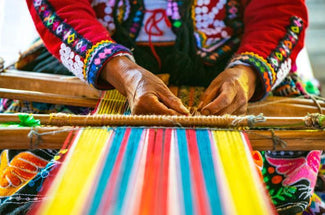
reflecting its deep relationship with the Andean sacred landscape. We are honoured to offer exceptional textile weavings from the Q’ero people of Peru, renowned for creating spiritually powerful and intricately designed mestana cloths. Crafted by descendants of the Inca, each cloth carries the energies of Pachamama, the sun, and the natural forces that sustain life.
Our collection also includes pieces inspired by Native American, Tibetan, and Sacred Essence designs — all made with deep reverence. These textiles symbolise balance and harmony, with colours and patterns expressing cosmic order and spiritual connection. By choosing these cloths, you support indigenous artisans and help preserve ancient weaving traditions.
What Is a Mestana Mesa Cloth?
A Mestana, or Mesa Cloth, is a sacred Andean textile traditionally used alongside an inner cloth known as a Wachala or Unkuna — names that reflect their meaning as the inner cloth or inner world.
The mesa cloth represents the outer world and is visible during ceremony, while the inner cloth holds and protects the most personal sacred items.
Although sometimes referred to locally as a “tablecloth,” a mestana mesa cloth is not for ordinary use, but for the sacred mesa altar — a ceremonial space for healing, prayer, and ritual practice.
Symbolism, Patterns & Meaning
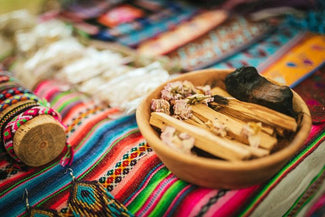
Patterns and colours woven into each mesa cloth represent family lineage, regional identity, spiritual standing, and elemental energies such as the sun, water, stars, vitality, or peace. Every cloth carries its own story and purpose, expressing balance, harmony, and the interconnected nature of all things.
Who Uses Mesa Cloths?
Mesa cloths are used by Q’ero Paqo shamans, students of the shamanic path, and spiritual practitioners working respectfully with Andean traditions.
They may be used to honour the four sacred directions, create a medicine wheel, hold medicine bundles, or support despacho ceremonies.
Typical sizes:
Mesa cloths: Typically 60–80cm
Inner cloths (Unkuna or Wachala): 25–45cm
Symbolic Philosophy
The Q’ero people live by the principle of Ayni — reciprocity, balance, and harmony with all beings. Every plant, stone, and animal is considered sacred. Pachamama is honoured as a living presence, and weaving is both a spiritual act and a form of cultural preservation, safeguarding ancestral knowledge for future generations.
Working Together in Ceremony
Sacred textiles function as a complete ceremonial system. The mesa cloth forms the outer layer, visible during ritual and representing the external world. Inside, the Unkuna or Wachala inner cloth protects the inner spiritual world and holds the most personal sacred items.
A mesa tie, or Watana, secures these layers together, uniting inner and outer worlds. Larger Manta cloths serve as altar bases or ceremonial foundations, while ponchos provide
personal protection during rituals, fire ceremonies, and initiations.
Frequently Asked Questions About Mestana Mesa Cloths
What is a Mestana Mesa Cloth used for?
A ritual working surface used in Andean shamanic practice to organise and protect sacred items during ceremony.
Does a Mesa Cloth include an inner cloth?
Yes. It is traditionally paired with an inner cloth called a Wachala or Unkuna, representing the inner spiritual world.
How is a Mesa Cloth used with the four directions?
It may be arranged as a medicine wheel, with sacred items placed in each direction to represent balance and harmony.
Can I create a personal medicine bundle with a Mesa Cloth?
Yes. Mesa cloths are commonly used to hold and organise personal medicine bundles.
Is a Mesa Cloth the same as an altar cloth?
No. Mesa cloths are working ritual surfaces, while larger manta cloths are used as altar bases or coverings.
What is a despacho cloth?
A despacho is a ceremonial prayer bundle containing herbs, flowers, and offerings, typically wrapped in an inner cloth such as an Unkuna, with the mesa cloth providing the wider ritual context.
See Associated Products
To create a complete ceremonial set, mesa cloths are traditionally used alongside other sacred textiles, each serving a distinct role within ritual practice:
Ponchos – Worn for personal protection during rituals, ceremonies, and initiations
Manta Altar Cloth – Larger centre-piece altar cloths used as the ceremonial foundation, display surface, or meditation base
Unkuna / Wachala – Inner cloths representing the inner world, used to hold and protect the most personal sacred items and despacho bundles
Mesa Wrap or Tie (Watana)– Used to bind and secure the inner and outer cloths together, uniting both worlds into a single ceremonial form
Explore the Mestana Mesa Cloths
Mestana Mesa Cloths hold profound personal and spiritual significance within Andean shamanic traditions and beyond. Often referred to as personal altar cloths, they are used in ceremonies and rituals with a focus on healing, protection, balance, and the greater good, forming the visible outer layer of the mesa.
Key characteristics of a Mestana Mesa Cloth:
Used as a ritual working surface, not a display cloth
Traditionally paired with an inner cloth (Wachala or Unkuna)
Represents the outer world in ceremony
Supports healing work, prayer, and spiritual organisation
The term mesa is connected to mestana, meaning high plains,
reflecting its deep relationship with the Andean sacred landscape. We are honoured to offer exceptional textile weavings from the Q’ero people of Peru, renowned for creating spiritually powerful and intricately designed mestana cloths. Crafted by descendants of the Inca, each cloth carries the energies of Pachamama, the sun, and the natural forces that sustain life.
Our collection also includes pieces inspired by Native American, Tibetan, and Sacred Essence designs — all made with deep reverence. These textiles symbolise balance and harmony, with colours and patterns expressing cosmic order and spiritual connection. By choosing these cloths, you support indigenous artisans and help preserve ancient weaving traditions.
What Is a Mestana Mesa Cloth?
A Mestana, or Mesa Cloth, is a sacred Andean textile traditionally used alongside an inner cloth known as a Wachala or Unkuna — names that reflect their meaning as the inner cloth or inner world.
The mesa cloth represents the outer world and is visible during ceremony, while the inner cloth holds and protects the most personal sacred items.
Although sometimes referred to locally as a “tablecloth,” a mestana mesa cloth is not for ordinary use, but for the sacred mesa altar — a ceremonial space for healing, prayer, and ritual practice.
Symbolism, Patterns & Meaning
Patterns and colours woven into each mesa cloth represent family lineage, regional identity, spiritual standing, and elemental energies such as the sun, water, stars, vitality, or peace. Every cloth carries its own story and purpose, expressing balance, harmony, and the interconnected nature of all things.
Who Uses Mesa Cloths?
Mesa cloths are used by Q’ero Paqo shamans, students of the shamanic path, and spiritual practitioners working respectfully with Andean traditions.
They may be used to honour the four sacred directions, create a medicine wheel, hold medicine bundles, or support despacho ceremonies.
Typical sizes:
Mesa cloths: Typically 60–80cm
Inner cloths (Unkuna or Wachala): 25–45cm
Symbolic Philosophy
The Q’ero people live by the principle of Ayni — reciprocity, balance, and harmony with all beings. Every plant, stone, and animal is considered sacred. Pachamama is honoured as a living presence, and weaving is both a spiritual act and a form of cultural preservation, safeguarding ancestral knowledge for future generations.
Working Together in Ceremony
Sacred textiles function as a complete ceremonial system. The mesa cloth forms the outer layer, visible during ritual and representing the external world. Inside, the Unkuna or Wachala inner cloth protects the inner spiritual world and holds the most personal sacred items.
A mesa tie, or Watana, secures these layers together, uniting inner and outer worlds. Larger Manta cloths serve as altar bases or ceremonial foundations, while ponchos provide
personal protection during rituals, fire ceremonies, and initiations.
Frequently Asked Questions About Mestana Mesa Cloths
What is a Mestana Mesa Cloth used for?
A ritual working surface used in Andean shamanic practice to organise and protect sacred items during ceremony.
Does a Mesa Cloth include an inner cloth?
Yes. It is traditionally paired with an inner cloth called a Wachala or Unkuna, representing the inner spiritual world.
How is a Mesa Cloth used with the four directions?
It may be arranged as a medicine wheel, with sacred items placed in each direction to represent balance and harmony.
Can I create a personal medicine bundle with a Mesa Cloth?
Yes. Mesa cloths are commonly used to hold and organise personal medicine bundles.
Is a Mesa Cloth the same as an altar cloth?
No. Mesa cloths are working ritual surfaces, while larger manta cloths are used as altar bases or coverings.
What is a despacho cloth?
A despacho is a ceremonial prayer bundle containing herbs, flowers, and offerings, typically wrapped in an inner cloth such as an Unkuna, with the mesa cloth providing the wider ritual context.
See Associated Products
To create a complete ceremonial set, mesa cloths are traditionally used alongside other sacred textiles, each serving a distinct role within ritual practice:
Ponchos – Worn for personal protection during rituals, ceremonies, and initiations
Manta Altar Cloth – Larger centre-piece altar cloths used as the ceremonial foundation, display surface, or meditation base
Unkuna / Wachala – Inner cloths representing the inner world, used to hold and protect the most personal sacred items and despacho bundles
Mesa Wrap or Tie (Watana)– Used to bind and secure the inner and outer cloths together, uniting both worlds into a single ceremonial form
Join our community
Sign up for 10% discount off your first order, exclusions apply.*