




Chinchero Shaman Mestana Mesa Cloth (M64-C) - Sacred Andean Textile
 Chinchero Shaman Mestana Mesa Cloth (M64-C) - Sacred Andean Textile
£185.00
/
Chinchero Shaman Mestana Mesa Cloth (M64-C) - Sacred Andean Textile
£185.00
/
RRP£185.00

products.product.pickup_availability.unavailable
Your payment information is processed securely. We do not store credit card details nor have access to your credit card information.
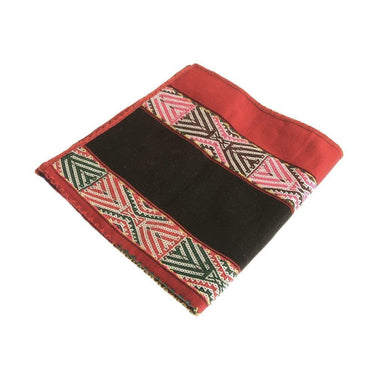
Chinchero Shaman Mestana Mesa Cloth – Sacred Andean Textile
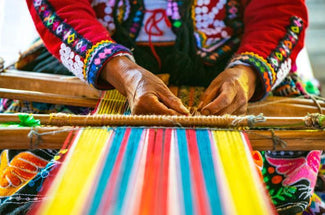
Fresh off the hand loom and never used in ceremony, this beautifully finished Mestana Mesa cloth has been specially woven for us by Andean artisans. Soft yet strong, it carries the living tradition of high-mountain weaving where every colour and symbol holds meaning.
A mesa or mestana is a sacred cloth used in prayers, blessings, and healing rituals to hold power objects and medicine stones. Mesa refers to the plains, while mestana reflects the high plains of the Andes — where sky, earth, and spirit meet.
Woven in the traditions of the Q’ero and Chinchero communities, these cloths form personal altar spaces and medicine bundles, symbolising the relationship between the inner and outer worlds.
Product Details:
- Design: Chinchero Q’ero-style ritual mesa / altar cloth
- Primary Use: Sacred altar cloth for holding medicine stones (khuyas), power objects, and ritual items
- Symbolism: Represents the inner and outer worlds within the Andean medicine path
- Colour Palette: Rich natural tones — reds, pinks, and greens
- Approx. Size: 68 cm × 70 cm (26.5" × 28") ±5% due to hand weaving
- Fibre Blend: Hand-spun sheep and alpaca wool
- Dyes: Naturally plant dyed
- Origin: Woven in the Peruvian Andes by Q’ero/Chinchero weaving families
- Condition: New — fresh off the loom, not previously used in ceremony
Orders & Shipping
Orders placed before 3:00pm are processed and shipped the same day. We ship worldwide.
Tracking Information
Please monitor your parcel using the tracking details provided in your shipping confirmation email. Tracking is usually updated within 24 hours of dispatch and continues until delivery is confirmed.
Duties & Taxes
EU and international duties and taxes are the responsibility of the customer and must be paid locally where applicable. For non-UK customers, UK tax is automatically removed at checkout once the shipping destination is selected.
Customs Delays
Some international orders may be delayed due to customs checks, which are outside our control. Delays may be longer during busy periods.
Returns
For orders that qualified for free delivery, returned items may be subject to the original shipping fee and any collection costs.
Refused or Cancelled International Orders
International orders that are refused, returned, and then cancelled may be subject to a 10% surcharge. Parcels can be re-shipped on request, although an additional charge may apply.