
Textile sacré Mestana du Qero Paqo – Tissu rituel chamanique – (Nouvellement tissé à la main)

Tissus Mesa/Mestana

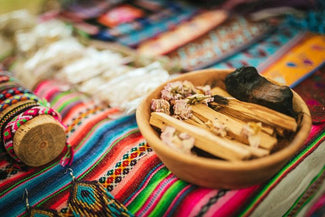
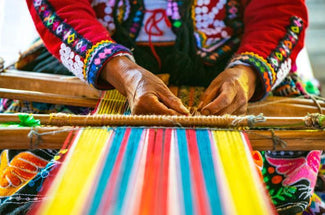
Description : Mesa ou Mestana désigne un tissu rituel utilisé pour les bénédictions, les prières et pour contenir des objets sacrés. Traditionnellement fabriqué à partir de laine de mouton 100 % filée et tissée à la main, et teinte avec des colorants naturels. Le terme "Mesa" désigne les plaines, tandis que "Mestana" signifie les hautes plaines.

Note sur l'authenticité : Ces textiles proviennent directement des familles Q'ero, et non d'entreprises. Ils peuvent être nouvellement tissés ou avoir été utilisés cérémoniellement pendant des années. Nous précisons l'état de chaque pièce.

Caractéristiques :

  • Utilisations : Nappe d'autel sacré, autel personnel pour les roues médicinales, contient des objets de pouvoir et des pierres
  • Combinaisons de couleurs : Tons riches et subtils - Rouges, Rose violet, Vert et Jaune
  • Taille approximative : 67 cm x 70 cm (26,5" x 27"), avec une légère tolérance de 5 % +/-. Teint naturellement
  • Matériau : Mélange de laine de mouton et d'alpaga, filé à la main et teint naturellement
  • Origine : Fabriqué à la main par les chamans péruviens Qero et Chinchero

Signification : Ces tissus servent d'espaces d'autel personnels et de tissus d'accouchement, symbolisant la renaissance et la transformation spirituelles. Chaque motif reflète les traditions et les symboles uniques de la famille de tisseurs. Ils sont utilisés avec des tissus intérieurs (uncunas ou wachalas) et des attaches mesa pour représenter les mondes intérieurs et extérieurs.

Pratiques de commerce équitable : Les achats soutiennent la préservation du patrimoine culturel et de la vie communautaire Qero, avec des échanges équitables incluant de l'argent ou des biens essentiels comme la farine, le maïs, le sucre ou le riz.

Design and Appearance of Q'ero Cloths

Unique Charm and Character: Each cloth is handwoven by Q'ero families from the Andes, a community known for their deep spiritual heritage. The Q'ero, or "rainbow children," are descendants of ancient priests and shamans. These textiles reflect their rich lineage and sacred traditions.

Newly Woven or Ceremonially Used: Textiles are crafted with specific sacred purposes in mind. They may be newly woven or bear marks from ceremonial use by Q'ero families. Handmade through traditional processes, each piece carries unique spiritual significance.

Care Instructions: Wool-rich cloths should be gently hand-washed with natural soap. Marks from use or dye add to the cloth’s character. Wax can be removed with paper and mild heat. Steam pressing with warm steam is recommended for freshening up the cloth.

Origin of Mestanas: Sourced from the Pago's Qero medicine people in the high Andes of Peru, these cloths are made from naturally dyed sheep wool. They serve various sacred purposes, from creating powerful altars to cradling newborns, and are often used with an inner cloth known as a wachala or Unkuna.

Meaning of the Cloth: The design and colors of each cloth reflect unique symbolic meanings. Made in two halves to represent duality, they balance energies such as masculine and feminine. Colors and symbols vary by family, with each cloth offering personal and spiritual significance.

What is the Design and appearance of the each particular cloth?

Each cloth possesses its unique charm and character, handwoven by different families within the Q'eros community—a village nestled high in the Andes among the 'sacred mountains,' with Ausangate being a central sacred mountain to the Q'ero. The Q'ero people, often referred to as the "rainbow children," are descendants of priests and shamans, representing a longstanding lineage of healers and medicine men and women.

Newly Woven or Used in ritual by the family?

Note: Aged & Authentic Textiles

These textiles are not acquired from companies but from individuals, crafted with specific intentions as sacred cloths for altars. Handmade through natural processes of hand spinning, dyeing, and hand weaving, they may be new or bear the marks of ceremonial use by Q'ero families, a practice passed down through generations.

How to clean a cloth?

Cleaning requires care for wool-rich cloths, with subtle marks treated through gentle hand washing with natural soap. Wax can be removed with paper and mild heat using an iron. Wear marks contribute to the cloth's character, and dye marks are considered part of its uniqueness. While most cloths are pristine, any significant marks or use will be transparently highlighted in the item description. For those seeking fresh-from-the-loom options, the 'Chinchero Shaman’ selection is recommended.

Cloths can be steam pressed with warm steam only.

Where do mestana's come from?

These mesa cloths are procured from the Pagos Qero medicine people situated high in the Andes of Peru. Handwoven with naturally dyed sheep wool by the Q'ero community, these cloths carry profound symbology, meaning, and intent. They serve various purposes, from cradling newborns during their entry into the world to becoming powerful altars that hold an individual's essence and gifts during their transformative journey around the medicine wheel. As representations of personal transformation, power objects are placed within the cloth, often accompanied by an inner cloth known as either a wachala or Unkuna, the local names varying by region.

What is the meaning to a cloth?

Each family and region infuse unique meaning into the creation of these cloths. Made in two halves, representing duality, the balance between masculine and feminine, left and right, the coming together of energies, and more.

The colors and overall composition are individual to the Qero, with symbols and layouts varying from family to family. For instance, the black, symbolizing "pa and cha" or Pachamama, may be wider in some cloths, providing grounding, while others might have narrower black areas with abundant Inti (sun) symbols, creating a busy yet powerful cloth. Some may seek the calming influence of "the waters" to balance their inner fires, while others aim to ignite more fire. Each cloth and its call to you hold unique symbology, creating a personal and meaningful connection.

Commandes et expédition
Les commandes passées avant 15h00 sont traitées et expédiées le jour même. Nous livrons dans le monde entier.

Informations de suivi
Veuillez suivre votre colis à l'aide des informations de suivi fournies dans votre e-mail de confirmation d'expédition. Le suivi est généralement mis à jour dans les 24 heures suivant l'expédition et se poursuit jusqu'à ce que la livraison soit confirmée.

Droits de douane et taxes
Les droits de douane et taxes de l'UE et internationaux sont à la charge du client et doivent être payés localement, le cas échéant. Pour les clients non britanniques, la taxe britannique est automatiquement supprimée à la caisse une fois la destination d'expédition sélectionnée.

Retards douaniers
Certaines commandes internationales peuvent être retardées en raison de contrôles douaniers, qui échappent à notre contrôle. Les retards peuvent être plus longs pendant les périodes de forte activité.

Retours
Pour les commandes ayant bénéficié de la livraison gratuite, les articles retournés peuvent être soumis aux frais d'expédition initiaux et aux éventuels frais de collecte.

Commandes internationales refusées ou annulées
Les commandes internationales qui sont refusées, retournées puis annulées peuvent être soumises à une surtaxe de 10 %. Les colis peuvent être réexpédiés sur demande, bien que des frais supplémentaires puissent s'appliquer.