


Ein sanfter Leitfaden, um heilige Räume zu betreten, Führung zu finden und Ihre schamanische Reise mit Klarheit und Respekt zu beginnen.

Wenn Sie jemals zu einem Trommelschlag gesessen, die Augen geschlossen und gespürt haben, dass etwas in Ihnen tiefer als gewöhnlich zuhörte, dann mag sich schamanisches Reisen weniger wie das Erlernen einer neuen Fähigkeit und mehr wie das Wiedererinnern einer alten anfühlen. Für viele Menschen kommt der erste Impuls zum schamanischen Reisen aus dem Wunsch nach Führung, Heilung, Erdung oder einer stärkeren Beziehung zu den unsichtbaren Teilen des Lebens.
Schamanisches Reisen wird oft als meditative Praxis beschrieben, die Rhythmus, Absicht und veränderte Bewusstseinszustände nutzt, um einen visionären Zustand zu erreichen. In diesem Zustand suchen Praktizierende Einsichten, symbolische Führung und Verbindung mit helfenden Energien, Ahnen, Geistverbündeten oder innerer Weisheit, abhängig von ihrer Tradition und persönlichen Überzeugungen. Für diejenigen, die das schamanische Reisen als Anfänger erkunden, ist es am wichtigsten, nicht jedes Detail perfekt zu machen. Es geht darum, eine Praxis zu schaffen, die respektvoll, ruhig und stabil genug ist, um echte Erfahrungen zuzulassen.
Was schamanisches Reisen für Anfänger bedeutet
Im einfachsten Fall ist schamanisches Reisen eine fokussierte spirituelle Praxis. Ein repetitiver Schlag, meist von einer Trommel oder Rassel, hilft, das gewöhnliche Bewusstsein in einen empfänglicheren Zustand zu versetzen. Von dort aus folgen Sie einer Absicht und lassen Bilder, Empfindungen, Botschaften oder Begegnungen entstehen.
Manche Menschen erleben sofort lebendige innere Landschaften. Andere bemerken zuerst nur Fragmente – eine Farbe, ein Tier, einen Pfad, einen einzelnen Satz. Beides ist gültig. Eines der größten Missverständnisse beim schamanischen Reisen für Anfänger ist die Vorstellung, dass eine bedeutungsvolle Reise dramatisch sein muss. In der Praxis sind subtile Erfahrungen oft die, die bleiben und sich mit der Zeit entfalten.
Es sei auch gesagt, dass schamanisches Reisen nicht dasselbe ist wie Tagträumen, obwohl die Fantasie involviert ist. Viele Praktizierende finden, dass die Erfahrung eine andere Qualität hat – kohärenter, überraschender und weniger kontrolliert als gewöhnliche Fantasien. Dennoch ist Unterscheidungsvermögen wichtig. Nicht jedes Bild muss als wörtliche Wahrheit behandelt werden. Manchmal ist die Botschaft symbolisch, manchmal emotional, und manchmal spiegelt sie einfach wider, was Ihr System verarbeiten muss.

Die richtige Umgebung schaffen, bevor Sie beginnen
Eine unterstützende Umgebung macht einen echten Unterschied, besonders wenn Sie neu im schamanischen Reisen sind. Sie brauchen keinen formellen Zeremonienraum, aber Sie brauchen genug Ruhe, um sich niederzulassen. Ein bequemer Sitz, eine Decke, gedämpftes Licht und das klare Gefühl, dass Sie nicht unterbrochen werden, reichen oft aus.
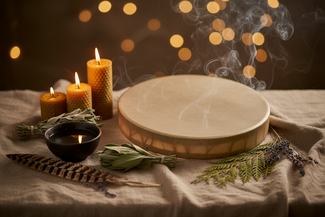
Viele Anfänger bereiten den Raum gerne auf einfache, bewusste Weise vor. Eine Kerze anzünden, Räucherwerk verbrennen, einen Kristall halten oder ein bedeutungsvolles Objekt in der Nähe platzieren kann signalisieren, dass Sie aus dem alltäglichen Trubel heraustreten und in einen heiligen Raum eintreten. Hier können praktische Ritualwerkzeuge wirklich hilfreich sein – nicht weil sie die Reise für Sie schaffen, sondern weil sie Ihrem Körper und Geist helfen, die Veränderung zu erkennen.
Auch der Klang spielt eine Rolle. Traditionell ist ein stetiger Trommelschlag zentral, aber manche beginnen mit einer Rassel, einer Rahmentrommel oder aufgezeichneten rhythmischen Klängen. Wenn Sie geräuschempfindlich sind, fühlen sich sanftere Optionen möglicherweise besser an. Es gibt keinen Preis dafür, Intensität zu erzwingen. Ziel ist es, einen Rhythmus zu finden, der die Konzentration unterstützt, ohne Ihr Nervensystem zu überfordern.
Verbindung zur Natur, zum Ort und zur Stille
Viele Menschen empfinden schamanisches Reisen als einfacher, wenn sie eine tiefere Verbindung zur Natur entwickeln. Die Natur hat die Art, uns zu entschleunigen, uns wieder mit den Rhythmen der Jahreszeiten, den Elementen und unserer Umgebung zu verbinden. Ein ruhiger Wald, ein Feld, ein Garten, ein Weg am See oder einfach nur das Sitzen unter einem Baum kann manchmal den Raum schaffen, der nötig ist, um tiefer zuzuhören.
Dennoch ist es nicht immer möglich, vollkommene Stille zu finden. Das moderne Leben ist hektisch, und eine der Fähigkeiten, die sich durch spirituelle Praxis entwickeln, ist das Lernen, wie man Momente der Stille findet, auch wenn die Welt um uns herum aktiv ist. Das bedeutet nicht, sich mitten im Chaos zum Reisen zu zwingen. Vielmehr bedeutet es, allmählich zu lernen, das innere Geräusch zu beruhigen, egal ob Sie zu Hause, bei der Arbeit oder ruhig an einem öffentlichen Ort sitzen.
Beide Ansätze haben ihren Wert. Manchmal ist die beste Wahl, eine ruhigere Umgebung aufzusuchen, in der Sie sich sicher, entspannt und ungestört fühlen. Zu anderen Zeiten kann es hilfreich sein, das Finden von Ruhe in einer weniger als perfekten Umgebung zu üben. Die Fähigkeit, zu Ihrem Atem, Ihrer Mitte und Ihrem Bewusstsein zurückzukehren, unabhängig davon, was um Sie herum geschieht, ist eine Fähigkeit, die jeden Aspekt des Lebens unterstützen kann.
Egal, ob Sie drinnen oder draußen reisen, in Stille oder mit den Geräuschen der Natur um Sie herum, das Ziel ist nicht, eine perfekte Umgebung zu schaffen. Es geht darum, genügend Raum für Präsenz, Verbindung und Zuhören zu schaffen. Mit der Zeit entdecken viele Menschen, dass Stille nicht nur an einem ruhigen Ort zu finden ist, sondern etwas, das in ihnen selbst kultiviert werden kann.
Wie man eine erste schamanische Reise beginnt
Beginnen Sie mit einer klaren Absicht. Halten Sie es einfach. Die Frage „Was muss ich heute für mein Wohlbefinden wissen?“ ist oft nützlicher, als Antworten auf alles gleichzeitig zu suchen. Eine geerdete Frage gibt der Reise Richtung, ohne sie kontrollieren zu wollen.
Sobald Sie sich niedergelassen haben, schließen Sie die Augen und konzentrieren Sie sich auf den Schlag. Atmen Sie ein paar Mal langsam. Einige Traditionen schlagen vor, durch ein visuelles Portal wie eine Höhle, eine Baumhöhle, einen Pfad oder einen Tunnel einzutreten. Sie müssen dies nicht erzwingen, wenn ein anderes Bild auf natürliche Weise auftaucht, aber ein Ausgangspunkt kann hilfreich sein, wenn Sie sich unsicher fühlen.
Dann lassen Sie die Erfahrung sich entfalten. Beachten Sie, was erscheint, auch wenn es gewöhnlich oder seltsam erscheint. Sie können Landschaften, Tiere, Menschen, Ahnen, Symbole oder elementare Kräfte begegnen. Sie können auch Emotionen oder körperliche Empfindungen spüren, anstatt klare Bilder zu sehen. Das ist immer noch schamanisches Reisen. Menschen empfangen Informationen auf unterschiedliche Weise, und viele Anfänger sind stärker im Fühlen als in der visuellen Vorstellungskraft.
Setzen Sie einen sanften Zeitrahmen für Ihre ersten Versuche. Zehn bis fünfzehn Minuten reichen oft aus. Längere Sitzungen können wunderschön sein, aber wenn Sie das schamanische Reisen lernen, machen kürzere Reisen es einfacher, präsent zu bleiben und sich zu erinnern, was passiert ist.
Wenn Sie zurückkehren, gönnen Sie sich einen Moment, bevor Sie die Augen vollständig öffnen. Trinken Sie Wasser. Schreiben Sie alles auf, woran Sie sich erinnern, auch wenn es unvollständig erscheint. Ihre Eindrücke sofort aufzuzeichnen, hilft Ihnen, Muster zu erkennen, Ihre schamanische Praxis zu vertiefen und Vertrauen in Ihre eigene Erfahrung aufzubauen.

Welche Werkzeuge können schamanisches Reisen für Anfänger unterstützen?
Sie brauchen keine große Sammlung, um anzufangen, aber ein paar gut gewählte schamanische Werkzeuge können die Praxis verankerter erscheinen lassen. Eine schamanische Trommel oder Rassel ist die offensichtlichste Unterstützung, besonders wenn Sie einen traditionellen rhythmischen Fokus wünschen. Wenn Sie noch nicht bereit für ein Instrument sind, kann eine aufgenommene Trommelspur dennoch nützlich sein.
Kerzen, Räucherwerk und ätherische Öle können helfen, die Sinne vorzubereiten und den Beginn der Ritualzeit zu markieren. Erdige oder harzige Düfte werden oft zur Erdung gewählt, obwohl leichtere blumige Aromen für diejenigen geeignet sein können, die eine sanftere Atmosphäre wünschen. Ein Schal, ein Altartuch oder ein zeremonielles Textil kann einen definierten Übungsraum schaffen, besonders wenn Sie in einem gemeinsamen Zuhause arbeiten.
Manche Menschen halten gerne vor und nach der Reise einen Erdungskristall oder bewahren ihn als Ankerpunkt in der Nähe auf. Notizbücher sind genauso wichtig wie jedes Ritualobjekt. Mit der Zeit werden Ihre Notizen zu einer Karte, wie sich Ihre Symbolik, Führung und inneren Reaktionen entwickeln.
Für diejenigen, die eine spirituelle Praxis zu Hause aufbauen, bietet Sacred Essence eine breite Palette an schamanischen Reiseinstrumenten, Räucherwerk, Kerzen, schamanischen Trommeln, Rasseln, Kristallen und Meditationszubehör, die Ihnen helfen können, einen Raum zu gestalten, der sowohl praktisch als auch heilig ist.
Häufige Anfängererfahrungen und wo Menschen stecken bleiben
Die häufigste Frustration ist der Gedanke: „Ich denke mir das nur aus.“ Fast jeder begegnet diesem Zweifel beim Erlernen des schamanischen Reisens. Der Verstand wünscht sich Gewissheit, und das Reisen bietet sie selten in einer sauberen, analytischen Form. Statt zu fragen, ob jedes Detail objektiv real ist, fragen Sie, ob die Erfahrung Bedeutung, Kohärenz oder emotionale Wahrheit trägt.
Ein weiteres häufiges Problem ist, dass man sich zu sehr anstrengt. Wenn Sie sich bemühen, etwas Beeindruckendes zu sehen, kann die Praxis angespannt werden. Schamanisches Reisen reagiert in der Regel besser auf Empfänglichkeit als auf Anstrengung. Eine entspannte Konzentration öffnet normalerweise mehr als mentales Drängen.
Manche Anfänger machen sich auch Sorgen, weil sie keine vollständigen Szenen sehen. Doch das Reisen ist nicht nur visuell. Sie könnten innerlich eine Phrase hören, eine starke Präsenz spüren, Bewegung wahrnehmen oder einfach wissen, dass etwas mitgeteilt wurde. Es hängt stark davon ab, wie Ihre Intuition natürlich funktioniert.
Es gibt auch die Frage der Angst. Unvertraute Bilder können beunruhigend wirken, besonders wenn Sie müde oder emotional empfindlich sind. Deshalb sind Vorbereitung und Absicht wichtig. Setzen Sie klare Grenzen, bevor Sie beginnen. Bitten Sie nur um Führung, die Ihrem höchsten Wohl dient, und beenden Sie die Sitzung, wenn Sie sich überfordert fühlen. Eine schamanische Reise sollte das Bewusstsein sanft erweitern, aber sie sollte Sie nicht destabilisiert zurücklassen.

Ein sanftes Wort zu Sicherheit, Ethik und Respekt
Schamanische Traditionen entstammen spezifischen Kulturen und Linien, und das verdient Respekt. Wenn Sie sich berufen fühlen, tiefer in das schamanische Reisen einzusteigen, lohnt es sich, die Wurzeln der Praktiken kennenzulernen, zu denen Sie sich hingezogen fühlen, anstatt alles in einem vagen spirituellen Mix zu vermischen. Anfänger müssen nicht alles auf einmal wissen, aber Demut ist wichtig.
Es ist auch ratsam, das Reisen als ergänzende spirituelle Praxis zu betrachten und nicht als Ersatz für medizinische oder psychische Versorgung. Wenn Sie mit Traumata, starker Angst oder Instabilität zu tun haben, sind zusätzliche Unterstützung und Urteilsvermögen wichtig. Für manche Menschen können geführte Meditationen oder Erdungspraktiken ein besserer Ausgangspunkt sein, bevor sie sich auf offenere visionäre Arbeit einlassen.
Ein gesunder Ansatz zur schamanischen Praxis ist sowohl spirituell als auch praktisch. Halten Sie Ihre Erwartungen realistisch. Prüfen Sie Anleitungen anhand des alltäglichen Wissens. Wenn eine Botschaft Angst, Größenwahn oder schädliches Verhalten fördert, treten Sie zurück, anstatt es zu romantisieren.
Eine stetige Praxis über die Zeit aufbauen
Wie Tarot, Meditation oder Altararbeit vertieft sich das schamanische Reisen durch Beständigkeit. Ein einfacher Rhythmus funktioniert besser, als auf die perfekte Mondphase, die perfekte Stimmung oder die perfekte Einrichtung zu warten. Eine kurze Sitzung pro Woche kann Ihnen mehr beibringen als eine einzelne intensive Erfahrung, gefolgt von Monaten der Stille.
Es hilft, ein kleines Eröffnungs- und Abschlussritual zu entwickeln. Das könnte bedeuten, eine Kerze anzuzünden, Ihre Absicht zu formulieren, dem Trommelschlag zuzuhören und danach in Ihr Notizbuch zu schreiben und ein paar erdende Atemzüge zu nehmen. Wiederholung schafft Sicherheit, und Sicherheit ermöglicht Tiefe.
Mit der Zeit werden Sie vielleicht wiederkehrende Symbole, Orte oder helfende Präsenzen bemerken. Lassen Sie diese Beziehungen auf natürliche Weise entwickeln. Es besteht keine Notwendigkeit, alles zu überstürzen, um es zu interpretieren oder Expertise zu beanspruchen. Die stärksten schamanischen Praktiken sind oft die leisesten – geerdet, respektvoll und in den Alltag integriert.
Wenn Sie diesen Weg beginnen, vertrauen Sie dem Tempo, das Sie zentriert hält. Eine erste schamanische Reise muss nicht dramatisch sein, um real zu sein. Manchmal kommt die klarste Führung sanft an, fordert Sie auf, gut zuzuhören, und begegnet Ihnen genau dort, wo Sie sind.

Reise durch Bewegung, Tanz & Rhythmus
Schamanisches Reisen wird oft mit Trommeln und Stille assoziiert, doch viele Traditionen erkennen auch Bewegung, Tanz, Gesang und Rhythmus als kraftvolle Wege an, das Bewusstsein zu verändern. Nicht jede Reise beginnt mit ruhigem Sitzen. Für manche Menschen ist Bewegung das Tor.
Ein stetiger Trommelschlag, rhythmische Musik, Gesang, repetitive Bewegungen oder kontemplativer Tanz können helfen, den analytischen Verstand zu beruhigen und den Körper in die Erfahrung einzubeziehen. In vielen Kulturen wird Rhythmus seit langem verwendet, um Meditation, Zeremonien, Gebet und die Verbindung mit dem tieferen Selbst zu unterstützen.
Wenn sich Energie festgefahren anfühlt, kann Bewegung besonders hilfreich sein. Eine Veränderung des Rhythmus, ein neues Musikstück, ein sanfter Tanz oder sogar bewusstes Gehen kann helfen, stagnierende Energie zu verschieben und Raum für neue Erkenntnisse zu schaffen. Manchmal geht es nicht darum, härter nachzudenken, sondern sich zu bewegen, zu atmen und dem Körper zu erlauben, am Prozess teilzuhaben.
Ob durch Trommeln, Rasseln, Gesang, Bewegung oder kontemplativen Tanz – Rhythmus bietet einen weiteren Weg zur Präsenz. Für manche beginnt die Reise mit Stille. Für andere beginnt sie mit Bewegung. Beides kann zu einem tieferen Gefühl der Verbundenheit, des Bewusstseins und des Wohlbefindens führen.
Entdecken Sie Schamanisches Reisen, Ritualwerkzeuge & Anfängerpraxis
Beim schamanischen Reisen für Anfänger geht es nicht darum, alles perfekt zu haben, bevor man beginnt. Meistens beginnt es mit einer klaren Absicht, einem gleichmäßigen Rhythmus, einem ruhigen Raum und ein paar bedeutungsvollen Werkzeugen, die Ihnen helfen, sich geerdet und bereit zum Zuhören zu fühlen.
Bei Sacred Essence beginnen viele Menschen einfach und bauen darauf auf, indem sie Trommeln, Rasseln, Räucherwerk, Kristalle und Ritualwerkzeuge erkunden, die eine respektvolle, stetige spirituelle Praxis unterstützen.

Geist, Körper & Seele im schamanischen Reisen
Schamanisches Reisen kann als eine Möglichkeit gesehen werden, den geschäftigen Geist zur Ruhe zu bringen, Raum für Körper, Seele und spirituelles Selbst zu schaffen, um klarer gehört zu werden. Manche Menschen erleben es als eine Reise in spirituelle Reiche, während andere es eher als Meditation, Trance, tiefes Zuhören oder Stille betrachten.
Der Verstand ist ein außergewöhnlicher Teil von uns, aber er will oft lösen, erklären und die Kontrolle übernehmen. In der schamanischen Praxis kann der Rhythmus einer Trommel oder Rassel helfen, dieses Muster zu verschieben und das ganze Selbst – Geist, Körper und Seele – in eine andere Art von Bewusstsein einzuladen.
Auch wenn Sie sich selbst nicht als „Reisenden“ sehen, kann die Arbeit mit einer Trommel oder Rassel dennoch zu einer kraftvollen meditativen Praxis werden. Innerhalb des gleichmäßigen Klangs und selbst innerhalb dessen, was zunächst laut oder repetitiv erscheinen mag, kann sich etwas Ruhigeres öffnen. Ein Raum, in dem Einsicht, Ruhe, Emotionen oder ein tieferes Gefühl der Verbundenheit entstehen können.
Entdecken Sie verwandte Produkte & Kollektionen
- Schamanische Trommeln
- Rasseln, Shaker & Perkussion
- Räucherwerk, Sticks, Harze & Palo Santo
- Sacred Sprays, Florida Water & Raumdüfte
- Heilende Kristalle & Trommelsteine
-
Kerzen & Stimmungsbeleuchtung
- Spirituelle Bücher, Tarot- & Orakelkarten
- Kristallarmbänder & Alltagshelfer
Jedes dieser Elemente kann eine Rolle dabei spielen, einen Raum zu gestalten, der sich geerdeter, bewusster und unterstützender anfühlt.
Verwandte Anleitungen
- Heilige Sprays: Anwendungen, Vorteile & Alltagsrituale
- Palo Santo: Anwendungen, Vorteile & Ursprünge
- Salbei-Räucherungen: Unterschiede zwischen weißem, blauem & Wüstensalbei
- Wie man seine Absichten durch Reflexion und Klarheit manifestiert
- Was ist Ayni? Spirituelle Integrität, Gleichgewicht und richtige Beziehungen
- Wie man einen heiligen Raum mit den vier Himmelsrichtungen schafft
FAQs
Was braucht man für schamanisches Reisen?
Man braucht nicht viel, um zu beginnen. Ein ruhiger Raum, eine klare Absicht, ein gleichmäßiger Trommelschlag oder eine Rassel und ein Tagebuch sind oft ausreichend. Manche Menschen verwenden auch gerne Räucherwerk, Kerzen, Kristalle oder Altartücher, um eine fokussiertere Ritualeinstellung zu schaffen.
Können Anfänger schamanisches Reisen praktizieren?
Ja, Anfänger können das schamanische Reisen sanft erkunden, besonders wenn sie mit kurzen Sitzungen, klaren Absichten und einer guten Erdung danach beginnen. Es ist wichtig, die Praxis mit Respekt, Geduld und Unterscheidungsvermögen anzugehen.
Welche Trommel ist am besten für schamanisches Reisen geeignet?
Viele Menschen verwenden eine Rahmentrommel oder Schamanentrommel mit einem gleichmäßigen, tiefen Ton. Die beste Trommel ist eine, die angenehm zu halten ist und sich leicht über mehrere Minuten rhythmisch spielen lässt.
Kann ich eine Rassel anstelle einer Trommel verwenden?
Ja, eine Rassel kann eine hilfreiche Alternative zu einer Trommel sein. Manche Anfänger finden Rasseln einfacher zu verwenden, da sie leichter sind, einfach zu halten und einen gleichmäßigen Rhythmus erzeugen können, ohne viel Platz zu benötigen.
Besuchen Sie uns oder erkunden Sie online
Sie sind jederzeit herzlich eingeladen, unseren Laden in Coniston, im Herzen des Lake District, zu besuchen, wo wir Sie gerne persönlich beraten. Oder stöbern Sie online und entdecken Sie unser gesamtes Sortiment an Räucherwerk, Sprays, Kristallen und Ritualwerkzeugen.
Besuchen Sie uns in Coniston oder erkunden Sie online bei Sacred Essence
Sie können uns auch auf Instagram und Facebook folgen, um Inspirationen, Neuheiten und Updates aus unserem Geschäft in Coniston zu erhalten.

Ein letzter Gedanke
Oft sind es die kleinsten Veränderungen – ein gleichmäßiger Rhythmus, ein ruhiger Atemzug, ein Duft, eine Kerzenflamme oder ein Moment der Stille in der Natur –, die den größten Unterschied im Empfinden einer Praxis ausmachen.
Eine sanfte Praxis, die regelmäßig wiederholt wird, kann zu etwas still Unterstützendem werden. ✨
Sacred Essence 🌈