

Simple daily cleansing rituals for your energy, home and sacred space

A room can look perfectly tidy and still feel unsettled. Perhaps it is the corner where work calls have piled up, the bedroom after a difficult week, or an altar that no longer invites you to pause. Daily spiritual hygiene: why regular cleansing matters is less about chasing perfection and more about tending to the atmosphere around you, as well as your own sense of balance.
For many people, cleansing is the quiet reset between the demands of ordinary life and the space they want to inhabit. It can be as simple as opening a window, lighting an incense stick with care, holding a grounding crystal during meditation, or taking three deliberate breaths before sleep. Regularity is what gives these small acts their value.
What daily spiritual hygiene really means
Spiritual hygiene is a personal practice of clearing, grounding and setting intention. Some understand it energetically, noticing when a place, object or interaction feels heavy or overstimulating. Others experience the same practice as a mindful cue to let go of the day and return to themselves. Both approaches can sit comfortably together.
Unlike a dramatic house cleanse performed only after a major life event, daily hygiene is gentle and responsive. You may cleanse yourself after a crowded commute, refresh your living room after visitors, or clear your tarot deck before a reading. The aim is not to suggest that every uncomfortable feeling has an external cause. Rather, ritual creates a considered boundary: this is what I am ready to release, and this is how I choose to feel now.
It also helps to separate cleansing from avoidance. No amount of incense replaces an honest conversation, proper rest, professional support or practical action when these are needed. A spiritual practice works best alongside grounded care for your home, body, relationships and wellbeing.
Cleansing Is About Creating Space, Not Fighting Negativity
One of the biggest misunderstandings around spiritual cleansing is that it is only needed when something feels wrong. In reality, most daily cleansing is simply a form of gentle spiritual housekeeping.
We wash our hands without waiting for them to become visibly dirty. We open windows to let fresh air circulate, and we tidy our homes so they remain pleasant places to live. Spiritual hygiene can follow the same simple principle.
Rather than constantly trying to remove negativity, focus on creating space for the qualities you wish to welcome: calm, clarity, gratitude, creativity, confidence or rest.
The intention is not to become fearful of difficult energy or uncomfortable moments. It is to care for yourself and your surroundings regularly, so that you can return more easily to a sense of balance.

Why regular cleansing matters in everyday life
A daily rhythm prevents your ritual space from becoming somewhere you only turn to in a crisis. When cleansing is familiar, you do not have to decide what to do while feeling depleted. You already have a few trusted tools and a sequence that helps you settle.
There is a practical benefit, too. Repeating a simple ritual trains attention. The scent of frankincense, the sound of a singing bowl or the feel of a smooth black tourmaline can become a signal that it is time to slow down. Over time, this association can make it easier to move from a busy state into meditation, journalling, sleep or a moment of reflection.
Regular cleansing also supports discernment. When your usual environment feels clear and cared for, you may notice more readily when you are carrying stress, when a room needs airing, or when an object has become emotionally loaded. This is particularly useful for practitioners who work with divination cards, pendulums, healing crystals, altar tools or ceremonial items regularly.
The frequency depends on your life. A quiet household may need only a brief morning or evening practice. If you work with clients, host circles, share a busy family home or use a room for readings, more frequent cleansing may feel appropriate. Let your actual experience guide you rather than following a rigid rule.
Daily spiritual cleansing for yourself
Personal cleansing does not need a large collection of products or a long ceremony. Start by choosing a point in the day when you can be consistent. Morning practice can help establish an intention before you engage with the outside world. Evening practice is often better for releasing mental clutter and making the transition towards rest.
Begin by Noticing, Not Fixing
Before reaching for incense, a singing bowl or your favourite crystal, pause for a moment and simply notice how you feel.
Are you calm or carrying tension? Clear-headed or mentally busy? Grounded or scattered? Sometimes we rush into cleansing because we feel we should, rather than because we have taken time to understand what we are actually experiencing.
Awareness is often the first step in any meaningful practice. Once you recognise what you are holding, it becomes much easier to choose a ritual that genuinely supports you.
Some days a few slow breaths may be enough. On others, you may feel drawn to incense, sound, a salt bath, meditation or quiet reflection. Let your practice respond to the moment rather than becoming another task to complete.
Daily spiritual hygiene is not about following the same ritual every day, but about returning to yourself with honesty, care and intention.

Begin with the body and breath
Stand or sit with both feet supported. Notice your jaw, shoulders and hands, then soften what you can. Take a few unhurried breaths and imagine the day settling rather than being forced away. You might say quietly, “I release what is not mine to carry,” or choose language that feels true to your own practice.
This is a valuable foundation whether you use spiritual tools or not. A ritual is more effective when it is not rushed. Even two minutes of presence can be more meaningful than a longer practice completed from obligation.
Add one sensory ritual tool
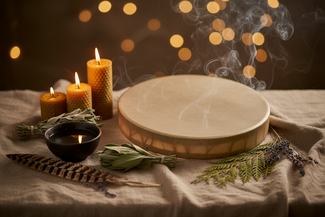
Incense, essential oils and candles are popular because scent and flame create an immediate change of atmosphere. Choose a fragrance you enjoy and use it safely, with a heatproof holder, ventilation and attention to pets, children and sensitivities. If smoke is not suitable for your home, a room mist, essential oil diffuser or a bowl of fresh water and herbs can offer a softer alternative.
Sound is another accessible option. A bell, chime, drum or singing bowl can mark the beginning and end of your practice. Let the sound travel through the room, then pause to notice the quiet that follows. For a more tactile approach, hold a crystal associated with grounding or clarity, such as smoky quartz, clear quartz or black tourmaline. The crystal does not have to be rare or expensive to become a meaningful part of your routine.
Salt Baths as a Gentle Weekly Reset
Salt baths can become a simple way to mark the end of a demanding week and create space for rest and reflection.
Many people enjoy combining Epsom salts and Dead Sea salts in warm water, sometimes with a small amount of lavender essential oil for calm or peppermint and eucalyptus for a fresher atmosphere. Always use essential oils carefully and follow suitable dilution guidance.
Allow around twenty minutes to rest, then shower afterwards if that feels right for your practice. The aim is not to expect the bath to solve every difficulty, but to create a clear pause in which the body and mind can begin to let go of the week.
Daily spiritual hygiene is built through small, consistent habits, while a weekly salt bath can become a slightly deeper pause—an opportunity to let go, reflect and begin the week ahead feeling lighter and more settled.

Cleansing a home and sacred space
Your home does not need to look like a dedicated studio to hold sacred space. A windowsill, bedside table, small shelf or a corner of the living room can become a place for intention. What matters is that it is used with care and is manageable to maintain.
A simple room cleanse can begin with ordinary tidying. Remove stale flowers, clear away cups, wipe down surfaces and open a window where possible. Physical care and spiritual care complement one another. Once the space is refreshed, you might move clockwise around the room with incense, a cleansing spray, a candle or sound, paying gentle attention to doorways, corners and the area where you rest or work.
As you do, be specific about the atmosphere you are creating. Rather than only focusing on removal, welcome qualities such as calm, protection, creativity, openness or rest. This makes cleansing an act of curation, not merely correction.
For altars, regular care is especially helpful. Dusting a crystal, changing water offerings, replacing spent candles and returning cards or ritual tools to their place honours the practice itself. If an item feels connected to an intense reading or emotional period, set it aside, cleanse it in a way that suits its material, and bring it back when you are ready.
Choosing cleansing methods with care
There is no single correct method, and the most popular option is not always the best fit. Smoke cleansing can be deeply evocative, but it is unsuitable in some flats, shared homes and workplaces. Incense sticks, resin incense and herbal bundles should be used safely and respectfully, particularly where traditional plant medicines and cultural practices are concerned. Learn about the origins of what you use, avoid treating sacred traditions as decoration, and choose products with intention.
Crystals also benefit from thoughtful handling. Water is not appropriate for every stone, as some minerals can be damaged by moisture. Direct sunlight may fade certain crystals. Sound, moonlight, visualisation, placing stones on a selenite plate, or simply resting them in a clean, intentional space can be gentler options depending on the piece.
If you are new to daily spiritual hygiene, build slowly. A single incense holder, a favourite crystal bracelet, a small candle and a journal may be plenty. Experienced practitioners may prefer to create a more layered rhythm with oracle cards, flower essences, sound healing instruments, ritual cloths and dedicated altar tools. Neither approach is more valid. The right practice is one that supports your life rather than becoming another demand on it.
A realistic rhythm to keep
Think in moments rather than milestones. In the morning, open the curtains, take a breath and set an intention. After work, wash your hands, change the air in the room or ring a bell to mark the end of the day. Before bed, place your mobile phone aside, cleanse your bedside space with a calming scent, and acknowledge one thing you are ready to leave behind.
Once a week, give your home and tools a little more attention. This may include refreshing an altar, cleansing divination decks, wiping down crystals, replacing candles, or sitting with a longer meditation. Sacred Essence offers ritual essentials across incense, crystals, candles, sound healing and divination, so your practice can grow naturally with the tools that genuinely serve it.

Spiritual Hygiene Should Not Create Fear
Regular cleansing should help you feel calmer, clearer and more connected to everyday life. It should not leave you worrying that every visitor, difficult conversation or unsettled mood has brought something harmful into your space.
Think of spiritual hygiene as care rather than protection from everything around you. Just as tidying, resting and opening a window help a home feel refreshed, simple cleansing rituals can help you pause and reset without becoming fearful of ordinary life.
If a practice increases anxiety rather than easing it, simplify it. Return to breathing, fresh air, physical cleaning or a few quiet moments of reflection.
The most lasting form of spiritual hygiene is rarely dramatic. It is the quiet habit of making room for yourself each day: opening a window, lighting incense safely, sounding a singing bowl, sitting with a favourite crystal or simply taking a few steady breaths before life becomes busy again.
These small moments remind us that balance is not something we find once and keep forever. It is something we gently return to, one thoughtful practice at a time.
Agreed. Featured Brands should come out here. This is an educational article, and too many separate link lists make the ending feel like a directory.
The cleanest solution is to keep only a small number of highly relevant links and include a clear backlink to the wider Sacred Essence Guides library.
Continue Your Journey
Daily spiritual hygiene can be simple: a few trusted practices that help clear the atmosphere, restore balance and create space to pause.
Explore Related Collections
Discover practical tools for cleansing, grounding and caring for your sacred space:
- Incense, Incense Sticks, Resins & Burners
- White Sage, Palo Santo & Smudging Sticks & Herbs
- Healing Crystals & Selenite
- Singing Bowls, Bells & Chimes
- Sacred Sprays, Essential Oils & Diffusers
Learn with Sacred Essence Guides
Our Guides provide clear, factual information for understanding cleansing traditions, spiritual tools and everyday practice.
- Energy Cleansing Explained
- Creating Sacred Space Explained
- Incense Guide – Types, Uses & How to Burn
Explore the complete Sacred Essence Guides library for further learning across incense, crystals, sound healing, meditation and spiritual wellbeing.
Continue Exploring with the Sacred Essence Blog
These related articles explore how cleansing and balance can become part of ordinary life:
- Grounded Daily Rituals Without Spiritual Overwhelm
-
Ayni in Everyday Life: Balance & Practice
- How to Create a Spiritual Altar at Home
FAQs
What is daily spiritual hygiene?
It is a simple practice of clearing, grounding and setting intention through breathing, incense, sound, meditation, crystals, physical tidying or quiet reflection.
How often should I cleanse myself or my home?
There is no fixed rule. Some people practise briefly each day, while others cleanse after visitors, difficult conversations or whenever a room begins to feel unsettled.
Do I need incense for spiritual cleansing?
No. Fresh air, sound, physical cleaning, meditation, sacred sprays and a few moments of conscious breathing can all form part of a cleansing practice.
Can salt baths form part of a cleansing ritual?
Many people enjoy Epsom or Dead Sea salts in a warm bath as a ritual for rest and reflection. It should complement rather than replace appropriate medical advice or practical care.
What if cleansing makes me feel anxious?
Simplify the practice. Return to breathing, opening a window, tidying the room or speaking with someone you trust. Spiritual hygiene should help you feel calmer, not more fearful.

Visit Us or Explore Online
Visit our holistic, spiritual and shamanic shop in Coniston, in the heart of the Lake District, to explore incense, sacred sprays, crystals, sound healing tools and ritual candles.
You can also browse online at www.sacredessence.co.uk for carefully chosen products, factual Guides and thoughtful articles supporting balance and everyday spiritual wellbeing.
Visit our holistic, spiritual and shamanic shop in Coniston, in the heart of the Lake District, where you can explore seasonal candles, incense, crystals, altar cloths and ritual tools in person.
Follow Sacred Essence on Instagram and Facebook for seasonal reflections, new arrivals and updates from our Coniston shop. Visit us

A Final Thought
Spiritual hygiene does not need to begin with fear or become another obligation. At its simplest, it is a way of noticing when life feels crowded and choosing to make a little room again.
That may mean opening a window, lighting incense safely, sounding a bell or taking three steady breaths. Some days you may want a fuller ritual; on others, a quiet pause will be enough.
Regular cleansing cannot prevent every difficult experience or replace rest, honest conversation and practical action. What it can offer is a familiar point of return—a small space between what has happened and what you choose to carry forward.✨
Balance is not something we find once and keep forever. It is something we tend gently, one thoughtful practice at a time.
Sacred Essence 🌈