



Some meditation tools ask very little of you, yet quietly change the quality of your practice. If you are learning how to use mala beads for meditation, the good news is that the process is simple, steadying and easy to make your own. A mala gives your hands something to do, your mind something to return to, and your intention a gentle rhythm to follow.
For many people, that is exactly what makes it so helpful. Meditation can feel abstract when you are new to it, or frustrating when your thoughts are especially busy. Mala beads bring the practice into the body. You touch one bead at a time, repeat a mantra, affirmation or breath count, and let that repetition soften the urge to rush.
What mala beads are and why people use them
A traditional mala usually has 108 count beads, plus one larger bead often called the guru bead. This longer necklace-style mala can be worn around the neck when not in use, keeping it close as a reminder of your intention or meditation practice. Smaller bracelet malas are also popular, often with 21 count beads, making them easy to wear throughout the day or use for shorter meditation sessions.
That focus might be a Sanskrit mantra, a simple phrase such as “I am calm”, a prayer, or even one full breath in and out. There is no single correct choice for everyone. If you are drawn to spiritual practice through yoga, mantra meditation or devotional work, you may prefer a sacred phrase. If your practice is more centred on mindfulness, grounding or emotional balance, a breath count or short affirmation may feel more natural.
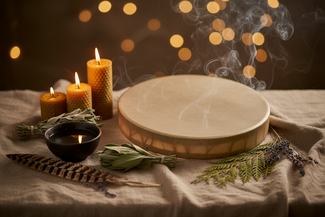
Mala beads also appeal because they sit comfortably between spiritual ritual and everyday wellbeing. They can be used in a morning meditation space alongside candles, incense or crystals, or simply kept in a bag and used for five quiet minutes between work and home life. That flexibility is part of their value.

How to use mala beads for meditation step by step
Start by finding a comfortable position. You can sit cross-legged on a cushion, upright in a chair, or kneel if that feels better in your body. What matters most is that your spine feels supported and your breathing is easy.
Hold the mala in one hand, traditionally the right, although many people use whichever hand feels most comfortable. Let the beads rest over your middle finger and use your thumb to move from one bead to the next. The index finger is often kept away from the beads in traditional practice, as it represents the ego, but if that feels awkward, do not force it. Comfort matters, especially when you are building a regular practice.
Begin at the bead next to the guru bead rather than the guru bead itself. On the first bead, say your mantra silently or aloud, or take one complete mindful breath. Then move to the next bead and repeat. Continue around the mala in the same way, one repetition per bead.
When you reach the guru bead, pause. Many practitioners do not cross over it. Instead, if they want to continue, they turn the mala around and go back in the opposite direction. That small pause can become part of the ritual. It gives you a moment to notice your state of mind and return to your intention before beginning again.
If 108 repetitions feel too long, especially at first, there is no need to complete the whole mala every time. A few minutes of focused practice is still meaningful. Consistency tends to matter more than length.

Choosing a mantra, affirmation or breath focus
The most effective focus is often the one you can return to without strain. If you are unsure where to begin, keep it simple. “Peace”, “I am grounded”, “Let go”, or a slow inhale and exhale can all work beautifully.
You may want to choose your phrase according to intention. For grounding, something steady and reassuring is often best. For heart-centred practice, you might choose words linked to compassion or trust. For protection or energetic clearing, a prayer or sacred chant may feel more aligned. There is room here for personal belief, cultural respect and practical ease.
It is also worth being honest about what feels natural to say repeatedly. A mantra that sounds beautiful but feels disconnected may not support you as well as a plain phrase that you genuinely need to hear.
Creating a meditation ritual with mala beads
Mala practice can be very simple, but a little structure often helps it become part of daily life. You might sit with your mala at the same time each morning, light incense before you begin, or keep your beads on your altar or beside your bed so they are easy to reach.
For some, the beads themselves become an anchor to a wider ritual. You may pair them with a crystal chosen for intention, such as amethyst for calm, rose quartz for softness or black tourmaline for grounding. Others prefer to keep the practice uncluttered and let the touch of the beads be enough. Both approaches are valid.
If you already work with tarot, journalling, breathwork or sound healing, mala meditation can fit neatly alongside those practices. A short round of beads before pulling a card, for example, can settle the mind and sharpen your sense of focus. If your evenings tend to feel overstimulated, using a mala for ten minutes before sleep can create a clear shift from activity into rest.

Common questions about how to use mala beads for meditation
One of the most common worries is whether there is a wrong way to do it. In truth, there is tradition, and there is personal practice. It helps to know the traditional method, especially if you want to honour the roots of mala meditation, but a practice that is so rigid it stops you from using the beads at all is rarely helpful.
People also ask whether they need 108 beads. Not necessarily. A full mala has symbolic and practical value, but shorter malas are often more accessible. The trade-off is simply duration. With fewer beads, your practice may feel briefer and more portable, while a full mala can invite deeper repetition and a stronger sense of ceremony.
Another question is whether mala beads have to be made from a particular material. Different materials carry different associations. Rudraksha seeds, sandalwood, rose quartz, amethyst and lava stone are all popular, and each brings a different feel in the hand and a different energetic language. If you are choosing mala beads for spiritual reasons, material may matter to you. If you mainly want support with focus and repetition, comfort and durability may matter more.
Caring for your mala beads
Because mala beads are handled often, it helps to treat them with a little care. Store them somewhere clean and dry, ideally away from direct sunlight or damp. If they are made from wood or seeds, avoid soaking them. Crystal malas may need gentler handling, particularly if the beads are softer stones.
Some people like to cleanse their mala energetically from time to time, especially if it is used in ritual or emotional healing work. This could be with incense smoke, sound, moonlight or simple quiet intention. There is no need to overcomplicate it. A brief moment of care can be enough to refresh the connection you have with the beads.

When mala meditation feels difficult
There will be days when using a mala feels peaceful, and days when it feels oddly irritating. That is normal. If your mind is racing, the repetition may seem too slow. If you are tired, you may lose track of the mantra entirely. Neither experience means you are failing.
On difficult days, shorten the practice. Use ten beads instead of the full strand. Swap a mantra for a plain breath count. Sit for less time, not more. Meditation tools are there to support you, not to become another measure of performance.
It can also help to notice whether your chosen intention still fits. A phrase that felt right last month may not match what you need now. Sometimes the practice comes back into focus the moment you choose simpler words.
Making the practice your own
The beauty of mala meditation is that it can remain rooted in tradition while becoming deeply personal. You may use your beads for silent meditation, prayer, manifestation, emotional grounding or a few steady breaths before a difficult conversation. Over time, the beads begin to carry the memory of practice itself. Holding them can become a cue for the nervous system to soften.
If you are choosing your first mala, look for one that feels comfortable in your hand and aligned with your intention. Sacred Essence offers meditation accessories and spiritual tools that make it easier to build a practice that feels both meaningful and practical, whether you are starting simply or shaping a more dedicated ritual space.
The most helpful approach is usually the gentlest one. Let the beads meet you where you are, one breath, one word, one bead at a time.

Explore Related Collections
- Mala Beads & Prayer Beads
- Healing Crystals & Tumblestones
-
Meditation Accessories
- Incense, Resins & Palo Santo
- Candles & Ritual Tools
Related Reading
- How to Create a Spiritual Altar at Home
- 10 Crystals for Protection
- Shamanic Journeying for Beginners
-
Creating a Calm Space at Home
FAQs
Do I need 108 beads to meditate with a mala?
No. Traditional malas often contain 108 beads, but shorter malas can be just as useful, especially for shorter meditation sessions or everyday use.
What should I say when using mala beads?
You can use a mantra, affirmation, prayer or simply count your breaths. The most effective choice is often the one that feels natural and easy to return to.
Which hand should I use?
Traditionally, mala beads are often used with the right hand, but many people choose whichever hand feels most comfortable and supportive.
Can I wear my mala as jewellery?
Yes. Many people wear their mala throughout the day as a reminder of their intention, spiritual practice or meditation journey.
Visit Us or Explore Online
You are always welcome to visit our shop in Coniston, in the heart of the Lake District, where we are happy to guide you in person. Or browse online and explore our range of mala beads, meditation accessories, healing crystals and spiritual wellbeing products.
Visit us in Coniston or explore online at Sacred Essence
You can also follow along on Instagram and Facebook for inspiration, new arrivals and updates from our Coniston shop.
A Final Thought
Mala meditation does not ask for perfection. It simply offers a rhythm to return to when life feels busy, distracted or overwhelming.
One bead, one breath and one moment of attention at a time can be enough. Over time, those small moments often become the foundation of a deeper and more meaningful practice. ✨
Sacred Essence 🌈