The Meaning of Shaman Bells in Sacred Practice
The Q'ero Paqo Shamanic Plain Bell 4cm belongs to a world in which sound is more than sound. Within Andean ceremonial practice, it is not merely used to make a tone, but to mark sacred presence, awaken attention and support connection between the visible and unseen worlds.
Its beauty lies in its simplicity. Plain and unadorned, it does not ask to dominate the space. Instead, it offers a clear and humble voice that may be used in mesa work, despacho, meditation, prayer and ritual, helping to gather the energy, settle the field and bring a sense of sacred focus.
The ringing of a bell has long been used in ceremony to open the space, clear stagnant or heavy energy, honour spirit and accompany offerings. In this way, the bell becomes part of the living language of ritual — not just an object, but a participant in the work. Its sound may be soft, but its role can be deep: to call the prayer inward, outward and upward all at once.
Within Andean understanding, ritual items often carry layers of symbolic meaning. Bells may also speak to the sacred relationship between complementary forces — the meeting of Pachamama, Mother Earth, and Inti, Father Sun, the feminine and masculine, the grounded and the luminous. Held in this way, the bell becomes a small expression of balance, reciprocity and reverence.
At 4cm, it is beautifully suited to small altars, personal shrines, mesa cloths and travelling medicine bundles. It is easy to keep close, easy to place among other sacred tools, and easy to bring into daily or ceremonial practice. Whether used in quiet devotion or in fuller ritual work, it offers a tone that can help return one to stillness, intention and remembrance.
For those called to shamanic practice, sacred ceremony, meditation or sound work, this Peruvian ritual bell carries an earthy, grounded presence. It is modest, soulful and full of quiet purpose — a small bell with the power to help shape sacred space and deepen the feeling of connection.
Features & Benefits
- Traditional Peruvian ritual bell rooted in Andean ceremonial practice
- Clear, gentle tone for prayer, meditation and sacred space work
- Used to open and bless ritual space with sound and intention
- Compact 4cm size for altars, mesa cloths and medicine bundles
- Plain, earthy design with a humble and timeless sacred character
- A meaningful ceremonial tool for spiritual practice, offerings and energy work
Perfect For
- Mesa work and despacho offerings
- Altars, shrines and sacred space tending
- Meditation and devotional practice
- Sound healing and energy clearing
- Shamanic ceremony and ritual work
- Personal spiritual tools and sacred gifting
A grounded and soulful bell for those who walk with prayer, intention and reverence.
FAQs
What are shaman bells?
Shaman bells are ceremonial bells used within spiritual and ritual practice to open sacred space, focus intention, mark transitions, clear energy and support prayer or offering work. Depending on the tradition, they may also be used to honour helping spirits, call in blessing, or bring greater presence to a ritual setting.
What is the Q'ero Paqo bell used for?
This bell is used in Andean ceremony, mesa work, despacho offerings, altar practice, meditation and sacred ritual. It may be rung to open the space, honour energies, accompany offerings and support focused intention.
What is mesa work?
Mesa work refers to spiritual practice centred around a mesa, or sacred bundle or ritual cloth, often used to hold ceremonial objects, prayers, medicine stones and offerings. In this context, a ritual bell may be used to open the work, bring focus and help create a clear ceremonial field.
What is a despacho offering?
A despacho is a traditional Andean offering ceremony, often created with intention, prayer and symbolic items offered in reciprocity to the sacred powers of life, including Pachamama. A bell may be used during despacho to help mark the ritual, call in presence and bless the offering.
How are ritual bells used in ceremony?
Ritual bells may be rung at the beginning or end of ceremony, during prayer, while making offerings, when clearing the energy of a space, or when calling attention back to the altar and the heart of the work. Their use is often gentle, intentional and symbolic rather than simply functional.
Does each bell have the same sound?
No. Each bell carries its own slightly different tone and character, which is part of its natural beauty and sacred individuality.
What does the sound of a ritual bell represent?
The sound of a ritual bell is often understood as a way to announce presence, shift energy, awaken awareness and carry prayer into the space. In spiritual practice, sound itself can act as a bridge between intention and atmosphere.
What size is the bell?
The bell measures approximately 4cm, making it well suited to personal altars, mesa cloths, shrines and travel-sized ritual kits.
Is it suitable for altar use?
Yes. Its compact size and simple form make it especially fitting for altars, shrines and ceremonial spaces.
Can it be used in meditation or sound healing?
Yes. Its tone may be used in meditation, sound healing, energy clearing and personal ritual to help create focus, presence and sacred atmosphere.
Can this bell be used for personal spiritual practice at home?
Yes. It is well suited to home altars, personal prayer, meditation corners, sacred space tending and daily devotional practice.
Does the bell have spiritual symbolism?
Within Andean practice, bells may carry symbolic associations with balance, reciprocity and sacred relationship, including the complementary energies of Pachamama (Mother Earth) and Inti (Father Sun).
What is Pachamama and Inti?
In Andean cosmology, Pachamama is often understood as Mother Earth, the living earth presence connected with nourishment, fertility and relationship. Inti is Father Sun, associated with light, warmth, vitality and life-giving force. Together they express a sacred balance of complementary energies.
Is this bell purely decorative?
No. While it is beautiful enough to display on an altar or shrine, it is also intended as a functional ceremonial tool for ritual, prayer, sound and sacred space work.





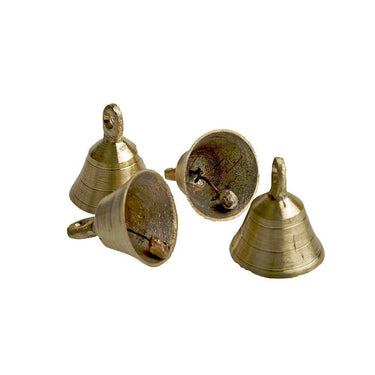

 Shamanic Plain Bell 4cm with Sacred Ritual Design
£13.50
/
Shamanic Plain Bell 4cm with Sacred Ritual Design
£13.50
/