Traditional Chilean Cactus Rainstick
A rainstick, also known as a rainmaker instrument, is a percussion instrument designed to imitate the sound of falling rain.
This example is supplied as handmade in Chile from naturally dried cactus collected from the inland Atacama region.
The cactus body is prepared and hollowed before small pebbles are placed inside.
As the instrument is turned, those pebbles move gradually through the internal cactus structure rather than falling directly from one end to the other.
The many small impacts combine into the characteristic flowing rain sound.
Because the body is natural and handmade, no two cactus rainsticks sound exactly alike.
Why Choose a 75cm Rainstick?
The 75cm length gives the pebbles more distance to travel than in a compact rainstick.
That extended internal path creates a longer and more sustained cascade.
The extra-wide 6–8cm body also gives this version a more substantial physical presence and can contribute to a fuller, richer sound.
It is particularly suited to:
- sound baths
- meditation
- percussion
- ritual and ceremonial sound
- ambient soundscapes
- relaxation sessions
- musical performance
- nature-inspired spaces
For anyone looking for a rainstick with more presence and a longer rainfall effect, the larger format is a strong choice.
How a Cactus Rainstick Makes Its Sound
The sound comes from the movement of small pebbles inside the cactus body.
When the rainstick is turned, the pebbles are interrupted repeatedly by the internal cactus structure.
Instead of falling straight through, they strike and move around many small points along the way.
These tiny impacts overlap to create a continuous wash of sound.
Depending on how the rainstick is moved, the effect may resemble:
- light drizzle
- steady rain
- a fuller rainfall
- rushing shower-like sound
- textured shaker percussion
The sound is naturally irregular rather than mechanically uniform.
That variation is part of the character of a handmade cactus instrument.
Extra-Wide Rainmaker Instrument
At approximately 6–8cm wide, this rainstick has a broader cactus body than many slimmer models.
The wider format gives it a more substantial feel in the hands and adds visual presence when displayed alongside drums, rattles, singing bowls or other percussion instruments.
Natural cactus does not grow to exact manufactured dimensions, so width will vary from one piece to another.
That means one rainstick may feel broader, more irregular or more deeply ridged than another.
Those differences are expected.
How to Play a Rainstick
Hold the rainstick vertically and slowly turn it until the opposite end becomes uppermost.
Allow the pebbles to travel through the full length of the cactus before turning it again.
The pace and angle of movement directly affect the sound.
You can experiment with:
- Slow end-to-end turning: longer, gentler rainfall
- Gentle tilting: lighter scattered droplets
- Faster turning: fuller and denser rain sound
- Horizontal rolling: textured movement
- Gentle shaking: shorter rhythmic percussion
Slower movement generally produces the most sustained and atmospheric effect.
Rainstick for Percussion
Although rainsticks are often associated with meditation and relaxation, they are also percussion instruments.
Their natural rain-like sound can add texture to acoustic music, improvised percussion and layered soundscapes.
They work particularly well alongside:
- frame drums
- hand drums
- rattles
- shakers
- flutes
- singing bowls
- gongs
- chimes
- voice
- chant
The 75cm length gives this version enough sustain to create gradual transitions as well as shorter rhythmic effects.
Meditation & Sound-Bath Use
The slow rainfall effect can work beautifully within meditation and sound-bath settings.
A rainstick can introduce a softer section, mark a transition between instruments or add a naturalistic layer beneath bowls, drums and voice.
Used slowly, the sound can remain in the background rather than dominating the session.
It may be particularly useful during:
- guided meditation
- sound baths
- breathwork
- yoga
- reflective practice
- relaxation sessions
- ceremonial openings and closings
These are contemporary uses rather than claims that the instrument itself creates therapeutic effects.
Plain Natural Cactus Finish
This version keeps the cactus surface plain rather than covering it with painted decoration, fabric or heavy ornament.
That allows the natural material to remain visible.
Expect variation in:
- colour
- ridges
- surface texture
- width
- markings
- shape
These characteristics reflect the original cactus material.
No two pieces will look exactly alike.
The plain finish particularly suits those who prefer:
- natural materials
- rustic musical instruments
- understated altar or sacred-space objects
- organic percussion
- simple handmade craft
Ceremonial & Symbolic Use
Rain imagery carries many symbolic associations in different cultures and contemporary spiritual practices.
Themes may include renewal, cleansing, fertility, growth, nourishment and the cycles of nature.
These meanings vary widely and should not be treated as one universal traditional interpretation.
In a personal ritual setting, the rainstick can simply be used as a sound symbol for transition, movement or renewal.
Atacama & Chilean Craft
The supplier describes these rainsticks as handmade in Chile using naturally dried cactus collected from inland areas of the Atacama region.
The cactus is said to be gathered after dying naturally rather than being cultivated specifically for production.
The supplier also describes the material as ethically and sustainably sourced.
Those sourcing statements are supplier-provided rather than independently certified by Sacred Essence.
For cultural accuracy, the product is best described as a handmade Chilean cactus rainstick from the Atacama regionwithout assigning it to a specific Indigenous ceremonial lineage unless more detailed provenance is available.
Natural Variation
Because the rainstick is made from real cactus, substantial natural variation should be expected.
Differences may occur in:
- overall width
- cactus shape
- surface ridges
- colour
- texture
- markings
- internal construction
- rainfall tone
- sound duration
Dimensions may vary by approximately ±10%.
These differences give each rainstick an individual appearance and sound and are not considered faults.
Care & Storage
Keep the rainstick dry and away from prolonged moisture.
For normal care:
- wipe gently with a dry or very slightly damp cloth
- do not soak
- keep away from radiators and strong direct heat
- avoid dropping or crushing the cactus body
- store in a dry environment
- protect from prolonged direct sunlight
- do not attempt to open the instrument or remove the internal filling
Natural cactus can crack, split or distort if exposed to significant changes in heat or humidity.
Quick FAQs
How long is this cactus rainstick?
Approximately 75cm.
How wide is it?
Approximately 6–8cm, although natural cactus dimensions vary.
What is a rainstick?
A rainstick, or rainmaker instrument, is a percussion instrument that produces a cascading sound similar to falling rain when turned.
What is the rainstick made from?
Naturally dried cactus containing small pebbles and an internal cactus structure that slows their movement.
How do you play it?
Slowly turn the rainstick from one end to the other and allow the pebbles to travel through the full length of the instrument.
Why choose a 75cm rainstick?
The longer body gives the pebbles more distance to travel, creating a longer and more sustained rainfall effect than many smaller models.
Is this an extra-wide rainstick?
Yes. It measures approximately 6–8cm across, although natural variation should be expected.
Is the rainstick decorated?
No. This version has a plain natural cactus finish.
Can it be used for meditation or sound baths?
Yes. Its sustained rain-like sound works well for meditation, sound baths, percussion and contemporary ceremonial practice.
Will every rainstick sound the same?
No. Natural differences in cactus shape, internal structure and filling affect both the tone and duration of the sound.
Where is it made?
The supplier describes it as handmade in the Atacama region of Chile.
Is the cactus sustainably sourced?
The supplier states that the cactus is naturally collected deadwood and is ethically and sustainably sourced rather than farmed. No independent certification has been supplied.
NB
As this item is made from natural cactus and individually finished by hand, variations in colour, shape, width, surface texture, markings and sound are to be expected.
Dimensions may vary by approximately ±10%.
These natural and handcrafted differences give each rainstick its own character and are not considered faults.
Please Note / Disclaimer
Meditation, sound-bath, ceremonial and spiritual uses describe contemporary applications and do not imply medical or therapeutic effects.
Cultural and symbolic references are provided for context and should not be interpreted as assigning one universal ceremonial history or meaning to all rainsticks.
Supplier statements regarding naturally collected deadwood and ethical or sustainable sourcing are reproduced as supplied and have not been independently certified by Sacred Essence.





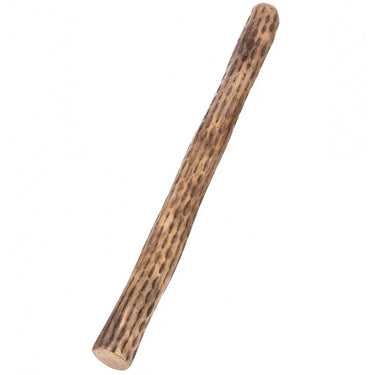

 Cactus Rainstick 75cm - Extra Wide Chilean Rainmaker Instrument - Soothing Rain Sound
£37.50
/
Cactus Rainstick 75cm - Extra Wide Chilean Rainmaker Instrument - Soothing Rain Sound
£37.50
/