

Nature, Seasons & Living in Rhythm
How to align your life, practice and wellbeing with the natural cycles of the earth — the seasons, the moon, and the rhythm of the living world.
We are natural beings. However urban our lives, however disconnected from the land we may feel, we are still subject to the same rhythms that govern all living things — the turning of the seasons, the waxing and waning of the moon, the daily cycle of light and dark. When we align ourselves with these rhythms, life feels less effortful, decisions become clearer, and our spiritual practice gains a depth that comes from being rooted in something much larger than ourselves.
Living in Rhythm with the Seasons
Spring – Renewal & New Beginnings
Spring is the season of emergence — of new growth, fresh energy, and the return of light after the long rest of winter. A natural time for new beginnings, for cleansing and clearing what has accumulated over winter, and for setting intentions for the months ahead. See our Energy Cleansing guide for spring cleansing ideas.
Summer – Abundance & Celebration
Summer is the season of fullness — of light, warmth, growth, and abundance. A time for celebration, for connection, and for bringing projects to fruition. The Summer Solstice — the longest day of the year — is a time to celebrate light and express gratitude for abundance.
Lammas – First Harvest & Gratitude
Lammas (1st August) marks the first harvest — the beginning of the transition from summer into autumn. A time of gratitude for what has grown, of beginning to gather and preserve, and of acknowledging that the light is beginning to turn.
Autumn – Letting Go & Turning Inward
Autumn is the season of release — of letting go of what is no longer needed, of turning inward as the light fades, and of preparing for the rest of winter. The Autumn Equinox is a natural moment for reflection on balance: what to keep, what to release, what to carry forward.
Winter – Rest, Reflection & Renewal
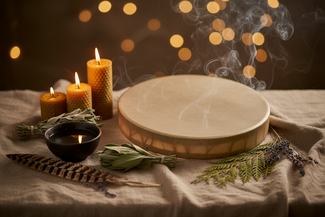
Winter is the season of rest — of going inward, of stillness, of the deep quiet that precedes new growth. The Winter Solstice — the longest night of the year — marks the return of the light. Candles, crystals, incense, and warm, nourishing rituals all support the energy of this season. See our Candles Guide and Crystals for Sleep guide.
Working With the Moon
The moon completes its cycle approximately every 29 days. Each phase carries its own energy and invitation.
New Moon – Intention & New Beginnings
The natural time for setting intentions, planting seeds, and beginning new projects. A simple new moon practice: light a candle, write your intentions for the coming month, place crystals on your altar, and spend a few minutes in quiet meditation. See our Manifestation & Intention guide.
Waxing Moon – Growth & Action
As the moon grows from new to full, its energy supports growth, momentum, and action. This is the time to take the practical steps that your intentions require.
Full Moon – Release & Celebration
A time of heightened energy, illumination, and release. A full moon practice might include a salt bath or cleansing ritual, writing down what you are releasing, placing crystals in moonlight to cleanse and charge them, and expressing gratitude for what has arrived.
Waning Moon – Rest & Reflection
As the moon moves from full back towards new, its energy supports rest, reflection, and release. A natural time to slow down, review, and create space for the new cycle ahead.
Moon Water
Water left in moonlight overnight during a full moon to absorb the moon's energy. It can be used to water plants, added to a bath, used to cleanse crystals, or simply drunk with intention.
Crystals and the Moon
Many crystals have a particular affinity with lunar energy. Moonstone is the most obvious — associated with intuition, cycles, and the feminine. Selenite, named after the moon goddess Selene, is used for cleansing and charging other crystals. Labradorite is associated with mystery, intuition, and the magic of the unseen. See our Crystal Guide.
Nature as Spiritual Practice
- Walking — slow, mindful walking with attention on the senses is a form of moving meditation that grounds and restores
- Sitting outside — simply being present in a garden, park, or natural space, without agenda or distraction
- Gardening — working with soil, seeds, and growing things connects us directly to the cycles of nature
- Watching the sky — clouds, stars, the moon, the changing light — all remind us of the larger rhythms we are part of
Seasonal Altars
One of the most beautiful ways to honour the seasons is through a seasonal altar — a collection of objects that reflects the energy and beauty of the current time of year. Changing your altar with the seasons keeps you connected to the natural cycle and brings a sense of beauty and intention into your home. See our Creating Sacred Space guide.
Shop Altar Items → | Shop Altar Cloths → | Shop Ritual Tools →
Rest as Part of Every Natural Cycle
Every natural cycle includes a period of rest — the dark of the moon, the stillness of winter, the quiet of night. Rest is not the absence of productivity. It is a necessary and sacred part of every cycle. Learning to rest well, and without guilt, is one of the most important things we can do for our long-term wellbeing. See our Balance & Spiritual Wellbeing guide.
Shop Seasonal & Nature-Inspired Tools
- Crystals
- Moonstone
- Selenite
- Labradorite
- Candles, Tealights & Holders
- Scented Candles & Reed Diffusers
- Incense & Smudging
- Smudge Sticks & Loose Sage
- Palo Santo
- Altar Tools & Ritual Items
- Altar Items & Offerings
- Sacred Sprays & Aura Mists
Related Guides
- Balance, Energy & Spiritual Wellbeing Explained
- Manifestation & Intention Explained
- Creating Sacred Space Explained
- Energy Cleansing Explained
- Spiritual Wellbeing in Everyday Life
- Shamanic Tools Guide
- Despacho Ceremony Explained