
Incense Sticks Guide: History, Types, Benefits & How to Use

Introduction
Incense sticks have been used for centuries across cultures to create sacred spaces, calm the mind, and connect with the unseen. Whether for meditation, ritual, or simply to make a home more inviting, incense has a way of transforming the atmosphere. At Sacred Essence, incense is more than fragrance — it is a bridge to spirit, shaped by our background in shamanic practice, yoga, and meditation.
A Brief History of Incense
Incense is as old as human ritual itself. Ancient Egypt burned kyphi in temples to honor the gods and aid in healing. In India, incense was described in the Vedas over 3,000 years ago, used in fire offerings and Ayurvedic medicine. China and Japan refined the art, creating sticks and cones for meditation, poetry, and tea ceremonies. Indigenous peoples in the Americas used sacred woods and herbs like sage and palo santo for cleansing and ceremony. Across continents, incense became a companion to worship, medicine, and daily life.
What Are Incense Sticks?
Incense sticks are slender rods made from natural ingredients such as aromatic woods, powdered herbs, resins, flowers, and essential oils. They are bound together around a bamboo or wooden core, or sometimes formed without a core, to create a slow‑burning stick that smolders once lit. As the ember moves down the stick, fragrant smoke is released, carrying the qualities of the plant materials into the air.
Incense sticks are more than just room fragrance — they are tools for meditation, energy cleansing, prayer, yoga, ritual, and creating intentional atmospheres. Their scents can calm the nervous system, focus the mind, or shift the energy of a space depending on the blend used.
Different Types of Incense Sticks
Before diving into specific categories, it helps to understand that incense comes in many cultural forms. Each style carries its own history, burn qualities, and ritual purpose. Some are designed for everyday fragrance, others for sacred ceremonies or deep meditation. Here are the most common types you’ll encounter:
-
Masala Sticks: Hand-rolled with powdered herbs, resins, and oils.
-
Charcoal Sticks: A base of charcoal coated with fragrance oils.
-
Dhoop Sticks: Thicker sticks without a bamboo core, popular in India.
-
Joss Sticks: Thin sticks, often without a wooden core, common in East Asia.
-
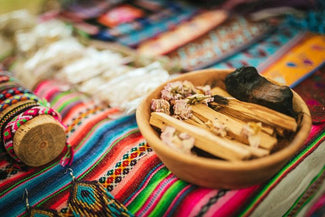
Wood-Based: Pure wood sticks like palo santo or sandalwood.
-
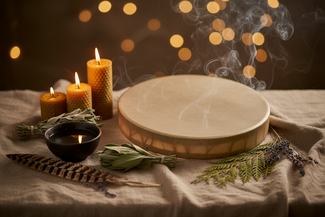
Smudge Sticks/Wands: Bundles of herbs (sage, cedar, sweetgrass) for space clearing.
Step-by-Step Guide: How to Use Incense Sticks
-
Prepare your space: Choose a quiet area and open a window if you prefer gentle airflow.
-
Select a holder: Place a heatproof incense holder, dish, or bowl with sand to catch falling ash.
-
Light the incense: Hold the stick at a slight angle, ignite the tip until it catches a steady flame.
-
Create the ember: After a few seconds, gently blow out the flame. The tip should glow red and release a steady thread of smoke.
-
Secure the stick: Insert it into the holder upright or at an angle so ashes fall safely.
-
Set your intention: Take a breath and focus on your purpose — meditation, cleansing, relaxation, or ritual.
-
Enjoy mindfully: Allow the fragrance to unfold, staying present with the atmosphere it creates.
-
Extinguish safely (if needed): To stop the burn early, press the tip into sand or gently dab against a fireproof surface.
Why Do We Use Incense?
People turn to incense for many reasons, across spiritual paths, healing practices, and daily life situations:
-
Meditation and Yoga: Deepens focus, steadies the breath, and calms the mind.
-
Relaxation and Stress Relief: Promotes peace after long or difficult days, helping the nervous system unwind.
-
Rituals and Rites of Passage: Marks sacred transitions, ceremonies, and personal milestones with fragrance and smoke.
-
Shamanic Practice: Used to enter altered states, call in guidance, and cleanse ritual space.
-
Reiki and Energy Healing: Supports practitioners in clearing and balancing energy fields for clients.
-
Healing Crystals and Crystal Therapy: Incense is often paired with crystals to cleanse and charge them, or to set the energy in crystal healing sessions.
-
Sound Healing and Gong Baths: Burned before and after sessions to prepare the space, clear stagnant energy, and close the ritual with intention.
-
Pagan and Wiccan Traditions: Incorporated into spells, seasonal celebrations, and circle work to represent the element of air and carry intentions.
-
Cultural and Religious Ceremonies: From Catholic mass to Buddhist temples, incense bridges the physical with the spiritual.
-
Energy Cleansing: Clears stagnant or negative energy from homes, sacred tools, and the human aura.
Whether in a therapy room, crystal healing circle, gong bath, or living room, incense provides atmosphere, focus, and a sense of connection.
Top 20 Incense Fragrances and Their Qualities
-
Palo Santo – Sacred wood, cleansing and blessing, citrus‑sweet with grounding undertones.
-
White Sage – Classic smudging herb, clearing and renewal.
-
Florida Water – Citrus‑floral blend, refreshing and protective, often used in rituals.
-
Sandalwood – Grounding, spiritual focus.
-
Lavender – Calming, relaxation.
-
Frankincense – Sacred, uplifting.
-
Myrrh – Healing, protective.
-
Cedarwood – Purifying, strength.
-
Rose – Love, compassion.
-
Jasmine – Joy, sensuality.
-
Nag Champa – Meditation, balance.
-
Patchouli – Earthy grounding, abundance.
-
Cinnamon – Energy, protection.
-
Clove – Warming, healing.
-
Sweetgrass – Blessing, harmony.
-
Amber – Comfort, clarity.
-
Copal – Ritual, connection to spirit.
-
Benzoin – Soothing, purification.
-
Oudh (Agarwood) – Luxury, deep meditation.
-
Vetiver – Stability, grounding.
How Are Incense Sticks Made?
Incense sticks come to life through a variety of methods, each reflecting a unique tradition:
-
Hand-Rolled: Common in India and Nepal, artisans roll fragrant paste around bamboo sticks.
-
Machine-Made: More uniform production, often used for large-scale manufacturing.
-
Resin-Based: Natural resins like frankincense are molded into sticks or powders.
-
Wood-Based: Palo Santo and sandalwood are cut, dried, and used in raw stick form.
-
Powder-Coated: Charcoal or wood powder sticks dipped in perfumed oils.
Each method influences burn time, fragrance strength, and ritual significance.
Trusted Supplier: Ethical and Sustainable Sourcing Since 2006
At Sacred Essence, we’ve been dedicated to providing incense with integrity since 2006. Our journey is rooted in ethical practices and deep respect for cultural traditions. Every stick, cone, or wand we offer comes from trusted partners who share our values:
-
Sustainably Harvested woods like palo santo, ensuring regeneration of sacred trees.
-
Fair-Trade Partnerships with artisan families across India, Nepal, and South America.
-
Eco-Friendly Packaging designed to minimize waste and plastic.
-
Authenticity First: Only natural, responsibly sourced resins, herbs, and oils.
For nearly two decades, our mission has been to connect people with incense that supports healing, meditation, and ritual — without compromise.
Safety, Care, and Precautions
-
Always burn incense in a heatproof holder.
-
Keep away from children, pets, and flammable items.
-
Do not leave burning incense unattended.
-
Ventilate the space if smoke feels overwhelming.
-
Store incense in a cool, dry place to preserve potency.
Sacred Essence in Practice
As practitioners of shamanic arts, yoga, and meditation, we’ve seen incense become a vital ally. Pair sandalwood with grounding meditation, palo santo with energy clearing, or lavender with restorative yoga. Each fragrance supports a modality, amplifying intention and presence.
FAQs
What are incense sticks made of? Natural woods, herbs, resins, and oils rolled onto bamboo or formed into sticks.
How long do they burn? Typically 30–60 minutes depending on thickness and material.
Can incense cleanse energy? Many traditions use incense for clearing negative energy from spaces and people.
Product Suggestions
- Incense
- Incense Sticks & Joss Sticks
- Incense Burners & Holders
- Cone Incenses
- Smudge Sticks & Smudge Wands
- Palo Santo Sticks
- Resins & incense Burning Charcoal
- Room Sprays - Cleansing, Sacred, Energy & Auric Sprays
- Healing Crystals
Contact
Please feel free to contact us with any questions and queries you may have: Contact