

Compare Fragrance, Burn Time, Ease of Use & Ritual Benefits

A stick of incense can turn an ordinary evening into a pause. Resin can make that same pause feel more deliberate: a pinch of frankincense warming on charcoal, its scent changing slowly as it rises. When choosing resin incense versus incense sticks, the question is not which is more spiritual or more ‘authentic’. It is which format fits the space, time and intention you actually have.
Both have a place in meditation, energy cleansing, altar work, yoga, seasonal ritual or simply making a home feel welcoming. Yet they behave quite differently. Understanding those differences helps you choose incense that feels enjoyable and practical rather than overpowering or unnecessarily complicated.
From the convenience of a favourite Nag Champa stick to the rich, changing fragrance of frankincense or myrrh resin, each offers its own experience.
Resin Incense vs Incense Sticks: The Main Difference
Incense sticks are made from aromatic materials blended into a paste, then formed around a bamboo core or shaped as a coreless stick. They are lit at one end, allowed to catch, then gently blown out so they smoulder by themselves. Their appeal is simplicity: one stick, one fragrance and very little preparation.
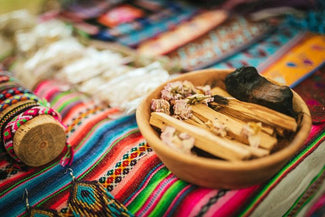
Resin incense is the aromatic material obtained from certain trees and plants, often as hardened droplets or pieces of gum-resin. Frankincense, myrrh, benzoin, copal and damar are familiar examples. Resin is commonly heated on a charcoal disc in a suitable heatproof burner, although electric resin burners offer another approach.
Rather than following the relatively predictable burn of an incense stick, resin allows you to decide how much to use and when to add more.
That difference changes the whole experience. Sticks offer consistency and convenience. Resins offer greater control over the quantity used, a closer encounter with the raw aromatic material and often a fragrance that develops as it warms.
Neither is automatically better. A busy household may value sticks, while someone preparing a meditation space or an unhurried ritual may enjoy resin's more deliberate rhythm.
Resin Incense and Sticks at a Glance
| Feature | Incense Sticks | Resin Incense |
|---|---|---|
| Preparation | Light and place in a suitable holder | Prepare charcoal or an electric resin burner |
| Fragrance | Usually steady and familiar | Often rich, layered and changing |
| Smoke | Varies by stick and formulation | Can be substantial on charcoal; often gentler with electric heating |
| Burn time | Commonly around 30–60 minutes | Depends on heating method, charcoal and amount used |
| Fragrance control | Choose a scent or extinguish the stick early | Add small quantities and create your own blends |
| Equipment | Incense holder and a means of lighting | Suitable burner, resin and possibly charcoal, sand and tongs |
| Cleaning | Mainly ash removal | Charcoal ash or resin deposits |
| Best suited to | Everyday enjoyment and simple routines | Exploring natural aromatics and more involved rituals |

These are general differences rather than fixed rules. The ingredients, quality, burner and amount of incense used can change the experience considerably.
Fragrance: Familiar Blend or Changing Character?
A good incense stick tends to scent a room in a recognisable, steady way. This can be especially helpful if you already know that sandalwood suits your quiet evenings, lavender appeals when you want to unwind, or Nag Champa gives your meditation space a familiar atmosphere.
There is an enormous variety of incense sticks available, including traditional masala blends, floral fragrances, woods, herbs, resins and contemporary scent combinations.
Dragon's Blood incense is another distinctive favourite, often chosen for its rich, sometimes sweet and resinous fragrance and its traditional associations with protection, strength and personal ritual.
Resins offer a different kind of experience. Their aroma can feel less like a finished perfume and more like an unfolding material.
Frankincense may begin with bright, citrus-like notes before becoming deeper and balsamic. Myrrh is often earthy, warm and bittersweet. Benzoin can offer a comforting, vanilla-like sweetness, while copal and damar have their own distinctive aromatic characters.
The precise fragrance varies according to the botanical source, grade, origin and heating method.
The Difference Between Frankincense, Myrrh and Other Resins
Some of the most familiar natural incense resins include:
- Frankincense: Traditionally associated with prayer, meditation and sacred ceremony. Its fragrance can range from fresh and citrus-like to woody and balsamic.
- Myrrh: Rich, earthy and sometimes bitter, with a long history of ceremonial and aromatic use.
- Benzoin: Warm, sweet and vanilla-like, often enjoyed in comforting incense blends.
- Copal: A name used for several different resins, with fragrances ranging from fresh and pine-like to warm and resinous. Various copals have important histories in ceremonial traditions.
- Damar: Often lighter and more delicate in fragrance, depending on its source and quality.
- Dragon's Blood: A deep red resin name associated with several botanical sources, valued in incense and ritual traditions. Its scent and composition vary considerably between products.
These resins can be enjoyed individually or, where suitable, combined in small quantities to explore different fragrance combinations.
Natural does not necessarily mean mild. Resin smoke can be rich and concentrated, particularly in a smaller room.
A few small grains may be enough to begin exploring a fragrance. Adding too much resin to hot charcoal can quickly overwhelm a space, so it is usually better to start modestly and adjust.
The Quality of the Scent Matters
With either format, quality affects the experience.
Well-made incense sticks should offer a balanced fragrance rather than an unpleasantly harsh or overpowering one. Good natural resins may vary in colour, shape, size and aroma, reflecting differences in their source and preparation.
It is also useful to distinguish between pure resin and incense blends.
A resin incense blend may contain herbs, wood powders, oils or several different resins. Incense sticks may use botanical ingredients, fragrance oils or combinations of both.
Read product descriptions when ingredients matter to you, particularly if you prefer traditional botanical fragrances or have sensitivities.
Neither natural resin nor incense sticks should automatically be considered safer simply because of how they are described. Burning aromatic materials produces smoke, and how much you burn matters.

Ease of Use and Everyday Practicality
If you are new to incense, sticks are usually the easier starting point.
You need a suitable holder that catches ash, a lighter or match and an appropriately ventilated space.
Many incense sticks burn for approximately 30–60 minutes, although shorter and longer-burning varieties are available.
You do not have to burn a whole stick each time. If you only want a few minutes of fragrance, extinguish it carefully by pressing the glowing tip into sand or another suitable fireproof material, ensuring it is completely out before leaving it.
Resin requires a little more preparation, especially when using charcoal.
Burning Resin Incense on Charcoal
For traditional charcoal burning, you will generally need a suitable heatproof censer or resin burner, incense charcoal discs, sand or ash to help insulate the burner, and appropriate tongs.
Place the charcoal in the prepared burner and light it according to the manufacturer's instructions. Self-lighting charcoal can spark as it catches, so take particular care during ignition.
Allow the charcoal to become properly established before adding a small amount of resin.
The resin will begin to soften, melt or release its fragrance as it heats. You can add a little more when needed, but avoid overloading the disc.
Charcoal becomes extremely hot and can remain hot long after the resin has finished smoking. Never handle, move or empty a hot burner, and never leave it unattended.
The preparation takes more time than lighting a stick, but that process can also become part of the enjoyment.
For detailed instructions, our Charcoal Disc Safety for Incense and Resin article explores how to light, use and dispose of incense charcoal safely.
Using an Electric Resin Incense Burner
An electric resin burner offers another way to enjoy natural aromatics without burning charcoal.
Instead of placing resin directly onto a glowing disc, the burner uses controlled electrical heat to warm the material and release its fragrance.
Depending on the burner and temperature, this can produce a slower, gentler aromatic experience with less visible smoke than charcoal.
It may be particularly appealing if you enjoy frankincense, myrrh or benzoin regularly but prefer not to prepare charcoal each time.
However, electric burners are not entirely smoke-free in every circumstance. Overheating resin can still cause smoking or charring, and the heating dish may become very hot.
Always use a burner intended for resin, follow its instructions and allow it to cool before cleaning.
For a short morning pause, an incense stick may be the most convenient choice. For a longer evening ritual, an electric burner or carefully prepared charcoal can offer a different pace.

Smoke, Ventilation and Shared Spaces
All burning incense produces smoke and airborne particles, whether you are using sticks or resin on charcoal.
That is part of the traditional incense experience, but it deserves practical thought.
Keep rooms suitably ventilated, use modest quantities and position burners away from curtains, bedding, papers, dried flowers and anything flammable. Always use an appropriate heat-resistant surface and never leave burning incense unattended.
People with asthma, allergies, migraines or other respiratory sensitivities may find incense smoke irritating. Young children, pets and particularly birds can also be sensitive to airborne fragrances and smoke.
In a shared home, incense should be a consideration rather than an assumption. A favourite sacred fragrance for one person can be overwhelming for another.
Can You Enjoy Ritual Without Burning Incense?
Absolutely.
If smoke is unsuitable, a sacred room spray, a carefully chosen fragrance diffuser or simply a quiet moment with an unlit candle can provide a meaningful alternative.
Energy cleansing does not have to involve filling a room with smoke.
Opening a window, clearing physical clutter, using the sound of a bell or singing bowl, and setting a personal intention can all form part of a symbolic cleansing practice.
Our guide to Creating a Sacred Space explores other ways to shape a welcoming environment for reflection and everyday ritual.
Resin Incense and Sticks in Spiritual Practice
Resin incense has a long and varied history of ceremonial use across different cultures and faiths.
Frankincense and myrrh, for example, have been traded and used in religious observance, prayer, perfumery and ritual for centuries.
Other resins, including different forms of copal, have their own important histories and cultural contexts.
For some people, preparing resin creates a tangible sense of connection with older ways of working with aromatic materials.
The act of preparing a burner, waiting for the charcoal to heat and carefully choosing a small piece of resin encourages a slower rhythm.
But ritual does not become more meaningful simply because it is more elaborate.
A single incense stick lit before meditation can mark a beginning just as clearly.
Many practitioners use sticks to create a familiar atmosphere for journalling, yoga, tarot, prayer or daily altar practice. Over time, the scent can become a personal cue to settle into that activity.
Resin may appeal when your intention is devotion, seasonal observance, contemplation or a more involved cleansing ritual.
Sticks may suit a short grounding practice, an everyday meditation routine or simply enjoying a fragrance you love.
Let the format serve the experience rather than turning the experience into a test of having the right tools.
Choosing Incense for Cleansing, Grounding and Meditation
Different fragrances carry different traditional associations, although their meanings are not universal.
Frankincense and myrrh are often chosen for ceremonial, contemplative or devotional settings.
Sandalwood and Nag Champa are familiar favourites for meditation, yoga and quiet reflection.
Dragon's Blood is traditionally associated in various contemporary spiritual practices with protection, strength and intention.
White Sage and Palo Santo-inspired incense is often chosen for symbolic cleansing, renewal or grounding, although these materials have distinct cultural histories and should not be treated as interchangeable traditions.
The format matters too. A familiar incense stick may be just what you want for a brief daily practice, while natural resin can be appealing when you have more time to explore the fragrance and preparation.
There is also nothing wrong with choosing incense simply because you enjoy the scent.
Spiritual associations can add meaning, but enjoyment and curiosity are perfectly good reasons to explore incense at any age.
Cost, Burn Time and Value
Incense sticks are generally straightforward to budget for because each stick represents a fairly predictable amount of fragrance and burning time.
They are easy to store, convenient for regular use and usually require very little cleaning beyond removing ash.
For everyday enjoyment, that simplicity can be valuable.
Resin can initially appear more expensive or complicated, particularly if you need to purchase a burner, charcoal, sand and tongs.
However, a small bag of resin may last a considerable time when used sparingly.
Because you can control the amount added, resin can also be economical over repeated uses, although the cost of charcoal or electricity should be considered.
Burn time is less straightforward to compare.
A stick may burn for a defined period, while resin fragrance depends on the amount used, the heat source and whether additional material is added.
A charcoal disc can remain hot and active well beyond the period when a particular pinch of resin releases its most appealing fragrance.
The trade-off is cleaning and maintenance. Charcoal produces ash, melted resin can adhere to surfaces, and burners must cool completely before handling.
For some people, those small tasks are part of the ritual. For others, they are exactly why incense sticks remain the better choice.

How to Choose the Right Incense for You
Choose incense sticks if you want a straightforward way to enjoy fragrance, support an everyday meditation routine or explore different scents without much preparation.
They are also an approachable starting point for gifts and for anyone discovering incense for the first time.
Choose natural resin incense if you enjoy working with aromatic botanical materials, want greater control over fragrance strength or appreciate a slower, more deliberate process.
If charcoal feels too involved, an electric resin burner may provide a practical middle ground.
You do not need to choose one format forever.
Many people enjoy both: incense sticks for everyday moments and resin for occasions when they want to slow down, explore a particular fragrance or make the preparation part of the experience.
Begin with a scent that genuinely appeals to you, use a modest amount and allow yourself time to discover what works.
Sometimes a favourite incense stick is all you need. On another day, the warmth of frankincense or myrrh slowly releasing its fragrance may be exactly what you feel drawn to.
Neither is more meaningful than the other.

Explore Further with Sacred Essence
At Sacred Essence, we believe choosing incense should be as much about personal enjoyment and discovery as tradition or ritual.
From familiar incense sticks to natural frankincense, myrrh and other aromatic resins, there are many ways to bring fragrance, atmosphere and intention into everyday life.
Explore Incense & Resin
- Natural Resin Incense — discover frankincense, myrrh, benzoin, copal and other aromatic resins.
- Incense Sticks — explore traditional, floral, woody and contemporary fragrances.
- Charcoal Discs & Resin Burners — find the equipment for safely heating natural incense resins.
- Incense Holders & Accessories — choose suitable holders and accessories for everyday use.
Related Guides
- Incense Guide
- Incense Sticks Guide
- Incense Cones Guide
- Resin Incense & Charcoal Discs Guide
- Energy Cleansing Explained
Continue Reading
- Charcoal Disc Safety for Incense and Resin
- How to Use Incense Safely at Home
- Nag Champa Incense: Uses, Benefits and Popularity
- Best Incense for Every Mood

A Final Thought
Incense has accompanied prayer, celebration, contemplation and everyday life for generations, but its enjoyment need not be complicated.
Whether you prefer the simplicity of a familiar incense stick or the changing fragrance of resin warming slowly over heat, there is room for both.
What matters is finding a way of enjoying incense that suits your home, your senses and the moments you wish to create.
“The value of incense is not in how elaborate the ritual becomes, but in the attention we bring to the moment.”
Sacred Essence 🌈