

Amethyst
Amethyst Crystals & Gemstones
Explore our collection of amethyst crystals and gemstones, recognised for their distinctive violet tones and individual character. From soft lavender to deep purple, amethyst brings colour and meaning to personal collections, thoughtful gifts and spiritual practice.
Amethyst has been valued for centuries for its distinctive violet colour and its traditional associations with calm, clarity, spiritual awareness and inner balance. It is also linked in folklore with St Valentine and themes of fidelity, devotion and lasting connection, giving this much-loved gemstone a rich symbolic history.
Whether you are drawn to amethyst for meditation, crystal practice, gifting or simply its natural beauty, our collection brings together a wide range of forms for personal ritual, altar work, intuitive practice and quiet moments of stillness.

Compare products
About Amethyst
What is Amethyst?
Amethyst is a violet variety of quartz, known for colours ranging from soft lavender to deep purple. It is one of the most recognised gemstones in contemporary crystal practice and has long been associated with calm, clarity, spiritual awareness and reflective practice.
Natural amethyst commonly forms within geodes and cavities in volcanic rock, with important deposits found in countries including Brazil, Uruguay and Madagascar.
What Is Amethyst Good For?
In crystal and metaphysical traditions, amethyst is often described as an “all-purpose crystal” because of the wide range of symbolic qualities associated with it.
It is particularly popular for meditation, relaxation and spiritual practice, where it is commonly linked with:
- calm and emotional balance
- clarity of thought
- intuition and spiritual awareness
- protection and energetic cleansing
- restful evening routines
- personal reflection and intention-setting
These are traditional and contemporary crystal associations rather than scientifically established effects.
How Should I Use My Amethyst Crystal?
Amethyst can be used in many different ways depending on the form of the crystal and your personal practice.
A palm stone or tumblestone can be held during meditation or carried throughout the day, while towers, points and clusters can be placed on an altar, desk or bedside table as a visual focus.
Amethyst is also commonly incorporated into evening routines. You might hold the crystal quietly while breathing slowly, place it nearby during meditation, or use its colour and form as a focus for reflection.
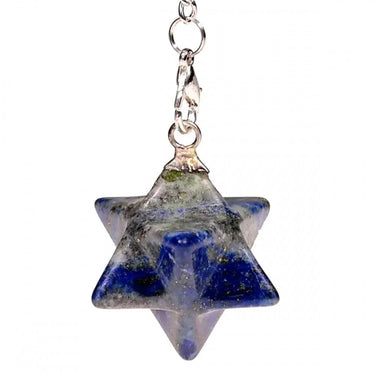
Pendulums may be used for dowsing and intuitive practice, while jewellery offers a simple way to keep amethyst close throughout the day.
Amethyst Meaning & Properties
- Calm & Relaxation: Amethyst is traditionally associated with soothing energy, stillness and creating a calmer atmosphere for meditation or reflection.
- Spiritual Awareness: Often connected with the third eye and crown chakras, amethyst is widely used in practices centred on intuition, awareness and spiritual exploration.
- Emotional Balance: Within crystal traditions, it is associated with composure, perspective and navigating emotionally demanding periods.
- Protection: Amethyst has a long-standing reputation in folklore and metaphysical practice as a protective stone associated with guarding against unwanted influences.
- Sleep & Evening Practice: Many people keep amethyst near the bed or incorporate it into evening meditation because of its traditional associations with peace, rest and quiet reflection.
- Clarity & Focus: Its symbolism also connects it with clear thinking, self-awareness and mindful decision-making.
Amethyst & the Third Eye and Crown Chakras
Amethyst is most commonly associated with the third eye chakra and crown chakra in contemporary chakra practice.
The third eye is symbolically connected with intuition, perception and inner awareness, while the crown chakra is associated with spiritual connection and higher consciousness.
For this reason, amethyst is frequently chosen for meditation, visualisation and reflective spiritual practice.
Chakra associations are symbolic traditions and should not be understood as scientifically established physiological effects.
Amethyst for Meditation & Spiritual Practice
Amethyst is one of the most widely used crystals for meditation because of its longstanding associations with calm and spiritual awareness.
Different forms can suit different styles of practice:
- palm stones and tumblestones for holding
- towers and points for altar or crystal-grid work
- pendulums for dowsing
- clusters and geodes for display
- jewellery for everyday wear
Its versatility means it can work equally well as a decorative gemstone, a meditation focus or part of a wider crystal collection.
Amethyst Folklore & Symbolism
Amethyst has accumulated a rich symbolic history over many centuries.
Its name is traditionally linked with the ancient Greek word amethystos, often interpreted as “not intoxicated”, reflecting historical beliefs that the stone offered protection from drunkenness.
Amethyst has also been associated with devotion, fidelity and spiritual reflection. In later folklore it became linked with St Valentine, contributing to its symbolism around loyalty and lasting connection.
These historical and folkloric associations add another dimension to the stone beyond its modern use in crystal practice.
Amethyst Care
Amethyst is a relatively durable variety of quartz, but polished and carved pieces should still be handled with care.
Clean gently with a soft cloth and mild water where appropriate, and avoid harsh chemical or abrasive cleaners.
Prolonged exposure to strong sunlight can cause some amethyst to fade over time, so display pieces are best kept away from intense direct sun.
Jewellery settings, delicate points and carved pieces may require additional care.
Choosing Your Amethyst
Choose the shade of violet that appeals to you, from soft lavender to deeper purple, then consider the size and finish that suit your purpose. Check the measurements and whether photographs show the exact piece or a representative example, rather than judging size from an image alone.
A smooth polished stone may suit holding during meditation, while a cluster or geode offers exposed crystal points to appreciate on display. Rough and polished finishes have different visual and tactile qualities; neither is inherently more spiritually powerful. For a display piece, consider its base, stability and available space. For jewellery, check fit and the care requirements of the complete item.
Amethyst FAQs
What is amethyst?
Amethyst is the violet variety of quartz, with shades ranging from pale lavender to deep purple. It is enjoyed as a gemstone, a display mineral and a focus for personal spiritual practice.
What does amethyst symbolise?
Amethyst is traditionally associated with calm, clarity, spiritual awareness and reflection. In contemporary chakra practice it is linked with the third eye and crown chakras. These are symbolic associations, not scientifically established therapeutic effects.
Which form of amethyst should I choose?
Start with how you want to enjoy it. A suitably sized polished stone can be comfortable to hold, while a cluster or geode may suit display. Jewellery offers a wearable option. Check dimensions, surface finish and any handling guidance in the individual listing; available forms vary across the collection.
Can I use amethyst in an evening ritual?
You might place it nearby while journalling or use its colour as a visual focus during a quiet meditation. This is a personal ritual rather than a treatment for sleep difficulties, and amethyst should not be expected to improve sleep.
How should I care for amethyst’s colour?
Avoid prolonged exposure to intense direct sunlight, as some amethyst can fade over time. Choose a display spot away from strong sun and follow the individual item’s cleaning guidance, particularly for jewellery settings or delicate crystal points.
Explore More Crystal Collections
Explore our full Crystals collection for more gemstones, forms and crystal tools. To explore by shape or purpose, browse the wider departments below. Each brings together different gemstones; the available stones and pieces vary across the range.
- Tumbled Stones
- Crystal Clusters & Rough Crystals
- Worry, Thumb & Palm Stones
- Pi Stones & Gemstone Donuts
- Pyramids, Towers, Points & Wands
- Crystal Eggs, Hearts & Spheres
- Pendulums & Dowsing Rods
- Crystal Candle Holders
For pieces to wear, explore our wider Crystal Jewellery collection.
Many of the crystals in this collection form part of our Sacred Essence range. Explore the Sacred Essence collection to discover more from our own brand.
Disclaimer
Crystal meanings, chakra associations, healing terminology and metaphysical properties are based on traditional and contemporary spiritual beliefs. They are not scientifically established medical effects and should not replace appropriate professional healthcare.