What Is a Chacapa?
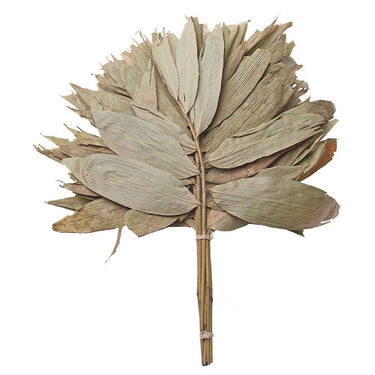
A chacapa is a hand-held bundle of dried leaves used in some Amazonian ceremonial and healing traditions.
Rather than producing a hard percussive strike, the leaves create sound through movement.
A slow sweep produces a soft whisper.
A firmer shake creates a fuller, more textured rustle.
That combination of sound, movement and natural plant material gives the chacapa a distinctive ceremonial presence.
Spellings vary, and you may also encounter:
- Chacapa
- Chakapa
- Shakapa
- Huayra Sacha
- Huaira Sacha
The exact terminology and methods of use can vary between regions, practitioners and lineages.
Huayra Sacha & Pariana stenolemma
This chacapa is made from dried Pariana stenolemma leaves.
The leaves are layered together to create a flexible fan that responds immediately to movement.
Because the material is natural and dried rather than manufactured, each fan differs in:
- width
- leaf density
- sound
- dryness
- colour
- scent
- flexibility
- overall fullness
Some pieces may feel softer and fuller, while others may arrive drier or more open in structure.
That variation is normal for a handmade plant-based instrument.
The Sound of the Chacapa
The chacapa produces a dry, layered rustling sound.
Different movements create different textures.
Slow sweeping movements produce a quieter, more spacious sound.
A faster or firmer shake creates a fuller, more percussive rustle.
This can make the chacapa useful wherever subtle sound is preferred over a strong drumbeat or sharp rattle.
It may be worked alone or alongside:
- shamanic drums
- gongs
- singing bowls
- bells
- voice
- chanting
- flutes
- other ceremonial sound instruments
Its dry leaf texture adds contrast to deeper or more resonant instruments.
Traditional Amazonian Ceremonial Context
Chacapas are associated with healing and ceremonial practices in parts of the Amazon.
In some traditions, a practitioner may move or brush the leaf fan over or near a person while singing an icaro, prayer or medicine song.
Within those traditions, the movement and sound may be understood as part of cleansing, refreshing, harmonising or ceremonial work.
Those meanings belong to specific cultural and lineage-based practices.
There is no single universal Amazonian method of using a chacapa.
Practices vary between communities, healers, teachers and traditions, and formal ceremonial work may require appropriate cultural guidance or training.
Icaros, Prayer & Sound
An icaro is a ceremonial song associated with certain Amazonian healing traditions.
A chacapa may be used alongside this type of vocal practice, with the movement of the leaves becoming part of the rhythm and atmosphere of the ceremony.
The sound itself can act as a sensory marker — helping define moments of opening, transition, focus or closure.
Outside traditional settings, it is better to approach the chacapa respectfully as a natural ceremonial sound instrument rather than claiming to reproduce a specific Amazonian healing ceremony.
Shamanic Rattle or Ritual Leaf Fan?
The chacapa is sometimes described as a shamanic rattle, sacred leaf rattle or ritual leaf fan.
All three descriptions can be useful, but it differs physically from a conventional rattle.
A typical rattle creates sound from seeds, stones or other material moving inside a hollow body.
A chacapa creates sound from the leaves themselves moving against one another.
So while it can serve a similar rhythmic or ceremonial role, its sound and construction are quite different.
Ritual, Meditation & Sound Practice
Within respectful contemporary practice, a chacapa may be used for:
- ceremonial opening or closing
- meditation
- prayer
- sound baths
- shamanic journeying
- altar work
- treatment-room sound practice
- movement practice
- breathwork
- nature-centred ritual
- reflective personal ceremony
Its sound can provide a sensory point of focus without dominating the space.
For gentler work, use slow, broad movements.
For a fuller rustle, use a firmer but controlled shake.
Avoid striking the leaves against hard surfaces.
A Simple Chacapa Sound Practice
Hold the handle comfortably and allow the leaves to hang naturally.
Begin with a slow sweep through the air.
Listen to the sound rather than trying to create a particular result.
Pause.
Then repeat.
You might hold the intention:
“May this space be approached with care, respect and clear intention.”
Continue with slow movements for a softer texture or slightly firmer movements for a fuller rustle.
When you are ready to close, allow the movement to become gradually quieter until the leaves come to rest.
Delicate Natural Construction
This is a delicate dried plant item, not a hard-wearing manufactured percussion instrument.
The leaves may:
- shed
- curl
- crack
- dry further
- change colour
- become more brittle
- lose small fragments
- change in fullness over time
Some minor breakage can occur during transit, unpacking or repeated use.
This is especially likely as the leaves move from a humid Amazonian environment into a much drier indoor climate.
That change does not necessarily indicate a fault.
Acclimatising After Arrival
When the chacapa first arrives, unwrap it carefully.
Support the leaf bundle from underneath rather than pulling individual leaves apart.
Allow it to rest in a dry, ventilated room so it can adjust gradually to the local environment.
Avoid placing it directly beside:
- radiators
- heaters
- dehumidifiers
- strong fans
- open windows in very cold weather
- intense direct sunlight
Sudden drying may make the leaves more brittle.
A gradual adjustment is kinder to the natural material.
Earthy Aroma & Jungle Character
Because the chacapa is made from natural dried leaves gathered and prepared in a tropical environment, it may retain an earthy, vegetal or slightly moist plant aroma.
This is part of the character of the material.
The scent may soften after the fan has been unpacked and allowed to acclimatise in a dry, ventilated room.
Those expecting a fragrance-free manufactured object may find the natural aroma more noticeable than expected.
How Long Will a Chacapa Last?
There is no fixed lifespan.
Durability depends heavily on:
- frequency of use
- how vigorously it is moved
- humidity
- room temperature
- storage
- transport
- natural dryness of the individual leaves
A chacapa used mainly as an altar or display piece may remain presentable for considerably longer than one used regularly in active ceremonial or sound work.
If you need a robust instrument for frequent travel or vigorous percussion, a wooden, hide or woven rattle may be more suitable.
Natural Variation
No two chacapas are identical.
Differences may include:
- leaf count
- overall width
- fullness
- green, olive or brown colouring
- leaf curl
- dryness
- handle thickness
- natural markings
- earthy aroma
- sound intensity
These variations reflect the use of natural dried plant material.
Care
Store the chacapa upright or gently supported.
Keep it away from:
- damp
- high humidity
- strong direct sunlight
- radiators and heaters
- candles
- incense embers
- open flame
- places where the leaves may be crushed
Do not wash or soak the leaves.
If dust gathers, use the lightest possible dry movement rather than rubbing the foliage.
Handle primarily by the handle rather than repeatedly gripping the leaves.
Quick FAQs
What is a chacapa?
A chacapa is a traditional Amazonian leaf fan used in some ceremonial and healing traditions. Its dried leaves create a distinctive rustling sound when moved.
What is this chacapa made from?
It is made from dried Pariana stenolemma leaves assembled into a hand-held fan.
How large is it?
It measures approximately 40cm including the handle.
How many leaves does it have?
Each fan has approximately 15–20 leaf stems, although natural variation may occur.
Is chacapa the same as chakapa?
They are variant spellings used for the same general type of Amazonian ceremonial leaf fan. Shakapa and Huayra Sacha may also be encountered.
Is a chacapa a shamanic rattle?
It is sometimes described that way because it is used rhythmically in ceremonial contexts, but physically it differs from a conventional seed-filled rattle. Its sound comes from the dried leaves moving against one another.
What does a chacapa sound like?
It creates a dry, layered rustling sound that can range from a soft whisper to a fuller percussive texture depending on movement.
Can it be used during shamanic journeying?
Yes. It may be incorporated into contemporary journeying, meditation and ceremonial practice.
Can it be used for sound baths?
Yes. Some practitioners use the leaf sound alongside gongs, drums, singing bowls and other instruments.
Is it traditionally used with icaros?
In some Amazonian traditions, chacapas are used alongside icaros, prayer or medicine songs. Methods vary by practitioner and lineage.
Does it cleanse energy?
Cleansing is a traditional or symbolic interpretation within some ceremonial systems. The chacapa does not guarantee an energetic or supernatural effect.
Will the leaves shed?
Yes. Some shedding, curling and minor breakage are normal for dried natural leaves.
Why does it smell earthy?
Natural dried plant material from a tropical environment may retain an earthy, vegetal or slightly moist aroma. This often softens as the piece acclimatises.
How long will it last?
There is no fixed lifespan. Longevity depends on handling, climate, storage and frequency of use.
Can I wash it?
No. Do not wash or soak the chacapa.
Is every one identical?
No. Leaf size, count, colour, shape, fullness, aroma and sound naturally vary.
Safety
Handle gently and avoid striking the leaves against hard surfaces.
Keep away from candles, incense embers, open flame and hot surfaces.
Do not expose the chacapa to prolonged damp, excessive heat or strong direct sunlight.
Keep out of reach of babies, young children and pets.
As dried plant material can naturally shed, remove loose fragments after use.
Disclaimer
This chacapa is intended for decorative, ceremonial, sound-based and personal spiritual use.
References to cleansing, healing, harmonising, energy work or ceremonial effects describe traditional or symbolic practices and do not guarantee medical, psychological, energetic or supernatural results.
Traditional Amazonian ceremonial practices vary between communities and lineages and should not be treated as one universal system.




 Huayra Sacha Chacapa 40cm – Shamanic Ritual Leaf Fan - 15–20 Leaves
£44.00
/
Huayra Sacha Chacapa 40cm – Shamanic Ritual Leaf Fan - 15–20 Leaves
£44.00
/