
Wayrunkuna Q’ero Divination Dice 3–3.5cm • Carved Andean Shamanic Tool for Ritual, Mesa Work & Energetic Reading

Hand-carved in the Peruvian Andes, this Wayrunkuna Divination Dice is a sacred symbolic tool associated with Q’ero and wider Andean ceremonial practice. Rather than carrying numbers, each of its six faces is carved with imagery linked to cosmic order, intuition, wisdom, natural cycles and the relationship between Earth and Sky.

Wayrunkuna are used not simply to predict a fixed future, but to explore patterns, tendencies and the energetic character of a situation. Cast onto a cloth, placed within a mesa or held during reflection, the dice can become a focus for guidance, intention and deeper listening.

Each piece is carved from huamanga, an alabaster-like Andean stone, and supplied in a traditional-style woven pouch with a small amount of llama wool as a blessing. The exact carving, stone markings and pouch design will vary, giving every piece its own visual and energetic presence.

Product Details:

  • Product: Wayrunkuna Q’ero Divination Dice
  • Type: Symbolic divination cube and sacred medicine stone
  • Sold: Individually
  • Material: Hand-carved huamanga, an alabaster-like Andean stone
  • Approximate size: 3–3.5cm
  • Origin: Andes, Peru
  • Design: Six carved symbolic faces rather than numbers
  • Symbolism: Guidance, Moon cycles, wisdom, unity, natural forces and energetic relationship
  • Common uses: Divination, ceremony, mesa work, energetic reading, intention setting and personal reflection
  • Included: Traditional Andean-style woven pouch and a small amount of llama wool as a blessing
  • Design variation: Carved symbols, stone colour, markings and pouch design will vary
  • Natural variation: Please allow reasonable variation in size, weight, carving depth and energetic character

A Sacred Dice of Symbols Rather Than Numbers

Unlike an ordinary dice, Wayrunkuna does not divide experience into numerical outcomes. Each face carries a symbol, and the reading comes from the relationship between the symbol, the question, the direction of the cast and the wider ceremonial setting.

The word Wayrunkuna is supplied here in connection with the idea of a cube or dice-like form. Quechua words and spellings can vary between regions and speakers, so the name is best understood within the product’s Q’ero and Andean ceremonial context rather than treated as a single universal translation.

The dice may be used to explore:

  • what energy is becoming visible
  • what is hidden beneath the surface
  • where attention is needed
  • what is in balance or imbalance
  • how a situation is beginning to take form
  • what quality may need to be strengthened

The symbols are not fixed fortune-telling answers. Their meaning develops through context, intuition, lineage teaching and the relationship between the practitioner and the tool.

Six Faces of Andean-Inspired Meaning

The six carved faces are associated with themes such as stars, wisdom, the Moon, unity, the elements and the cultivation of life.

Stars may be read as guidance, destiny, orientation or higher awareness. They can suggest looking beyond the immediate situation and recognising a wider pattern.

The Moon may bring attention to cycles, intuition, timing and the natural movement between fullness, release and renewal.

Wisdom may point towards ancestral knowledge, memory, experience or the need to listen before acting.

Fields and natural forces can relate to cultivation, nourishment, effort and the care required to bring something into form.

Unity may reflect relationship, reciprocity and the weaving together of Earthly and cosmic influences.

The exact imagery and its interpretation may vary from piece to piece. Some faces may be more clearly carved than others, and the symbols should not be assumed to carry one rigid meaning in every reading.

Reading Patterns, Not Fixed Futures

Wayrunkuna is best approached as a tool for orientation rather than certainty.

In Andean-inspired divination, a cast may be understood as revealing the condition of a field: what is moving, where energy is gathering and how different forces relate. The reading is therefore less about asking, “What will definitely happen?” and more about asking, “What is present, and how might I meet it wisely?”

This can make the dice useful for:

  • choosing the tone of a ritual
  • reflecting on a transition
  • exploring the energy around a decision
  • bringing attention to an overlooked influence
  • preparing for ceremony
  • working with personal or ancestral themes
  • sensing the balance within a mesa or altar

The tool does not remove personal responsibility or replace practical judgement. It offers a symbolic language through which a question may be viewed from another angle.

Q’ero Paqo & Ceremonial Context

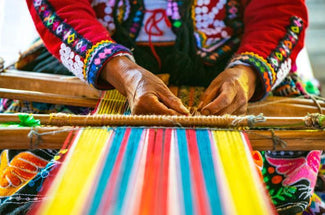
The Q’ero are Indigenous people of the high Andes in Peru, known for maintaining distinctive agricultural, textile and ceremonial traditions.

Within Q’ero and wider Andean settings, a paqo is a ritual specialist or spiritual practitioner who works within relationships involving people, land, mountains, ancestors and sacred beings. The term is more specific than the broad Western word “shaman”, although Wayrunkuna may still be described commercially as a shamanic divination tool.

In lineage-based practice, sacred objects may be used within complex ceremonies involving training, responsibility and cultural knowledge. This dice is offered as a sacred Andean tool for respectful personal ritual and reflection, but owning it does not confer ceremonial authority or reproduce the full depth of Q’ero practice.

Mesa, Textile & Altar Use

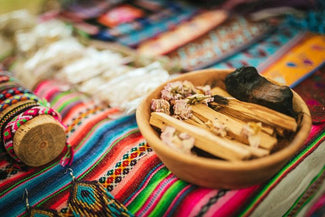
Wayrunkuna may be cast onto a woven cloth or placed within a mesa arrangement. The pattern beneath the dice can form part of the reading, especially where the cloth carries directional, elemental or symbolic meaning.

It may also be placed beside:

  • khuyas or sacred stones
  • llama wool
  • written intentions
  • ancestor photographs
  • offerings to Pachamama
  • symbols of the Apus
  • ritual threads
  • seeds or flowers
  • other divination tools

Within formal Andean practice, a mesa is more than a decorative altar. It may be a consecrated ceremonial bundle shaped through lineage and training. Those outside that context can still use the dice respectfully on a personal altar or divination cloth without claiming a traditional role.

Ritual & Energetic Uses

The Wayrunkuna may be used to open a ritual, set the energetic tone of a space or reflect on what is moving within a situation.

It is sometimes associated with practices involving:

  • spiritual consultation
  • energetic field reading
  • intention setting
  • lineage connection
  • protection work
  • symbolic cleansing
  • mesa preparation
  • movement between changing energetic states

References to practices such as khuya limpia, protection ceremonies or lineage work should be understood as advanced or lineage-connected uses rather than casual beginner techniques.

For personal practice, a simpler approach is often more respectful: ask one clear question, cast once, observe carefully and avoid forcing an answer.

How to Use

Choose a quiet space and place a cloth in front of you.

Hold the Wayrunkuna in both hands and bring one clear question or intention to mind. Avoid questions that demand certainty about another person or a fixed future.

Cast the dice gently onto the cloth and observe:

  • which symbol faces upward
  • where the dice lands
  • what direction it points towards
  • what feeling or image arises first
  • how the symbol relates to the question

Write down your first impression before looking for a more elaborate interpretation.

The dice may also be placed rather than cast, especially during altar work or ceremony. Use it with care and avoid repeated casting simply to obtain a preferred answer.

A Simple Wayrunkuna Reflection

Place the dice on a woven cloth with the llama wool beside it.

Take three slow breaths and hold the question quietly in your mind.

Cast the Wayrunkuna once.

Look at the symbol that appears and ask:

“What pattern is being shown, and what relationship now needs my attention?”

Sit with the image for a few moments before writing down what arose.

Close the practice by offering gratitude to the land, the stone and the wisdom carried through the symbol.

Woven Pouch & Llama Wool Blessing

Each Wayrunkuna is supplied in a traditional Andean-style woven pouch with a small amount of llama wool.

The pouch keeps the dice together between uses and gives it a dedicated place within a mesa, travel altar or ritual kit. Colours, woven patterns, stitching and size will vary.

Llama wool may carry associations with warmth, livelihood, reciprocity, endurance and the bond between people, animals and the highland landscape. It may be placed beneath the dice, kept beside it on the altar or held briefly while setting an intention.

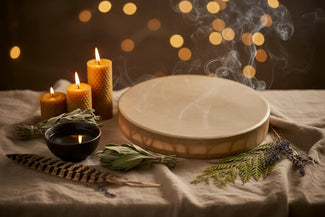
Keep the pouch and wool away from candles, incense, charcoal and open flame.

Natural Variation & Craftsmanship

Each Wayrunkuna is individually carved, so differences in size, stone colour, markings, symbol placement, engraving depth and finish are expected.

The dice may not be perfectly geometrical, and some edges may be softer or more irregular than others. These qualities reflect the hand-carved process and are not considered faults.

The symbols may also differ from the example shown. Because each piece is unique, its energetic character may be experienced differently. One may feel more connected with intuition or Moon cycles, while another may feel more closely aligned with protection, wisdom, unity or ancestral work.

These impressions are personal and symbolic rather than fixed or guaranteed.

Quick FAQs

What is a Wayrunkuna divination dice?

It is a hand-carved symbolic cube used in Andean-inspired divination, ceremony and energetic reflection. Its faces carry symbols rather than numbers.

Is it used to predict the future?

It is better understood as a tool for reading patterns, tendencies and energetic relationships rather than predicting one fixed future.

What are the symbols?

The six faces are associated with themes such as stars, the Moon, wisdom, unity, natural forces and the cultivation of life. Exact designs may vary.

Can a beginner use it?

Yes, it may be used respectfully for simple intuitive reflection. Advanced ceremonial use is better approached through appropriate teaching and lineage.

What is it made from?

It is carved from huamanga, an alabaster-like stone associated with the Andes of Peru.

What is included?

The dice comes with a traditional Andean-style woven pouch and a small amount of llama wool as a blessing.

Will every piece look the same?

No. Each dice is hand-carved, so the stone, symbols, finish and pouch will vary.

Safety

Handle the dice gently and cast it over a soft cloth or padded surface. Huamanga and other alabaster-like stones may chip if dropped onto hard flooring.

Keep the dice, pouch and llama wool away from young children and pets. Avoid prolonged moisture, harsh chemicals and abrasive cleaning products.

Wipe the stone with a soft, dry cloth. Keep the pouch and wool away from candles, incense and open flame.

Disclaimer

This is a hand-carved ceremonial and divination object connected with Andean-inspired symbolism and living Q’ero traditions. Meanings and methods vary between communities, paqos, teachers and lineages. Divination offers symbolic reflection and does not provide guaranteed medical, legal, financial or supernatural outcomes.

Orders & Shipping
Orders placed before 3:00pm are processed and shipped the same day. We ship worldwide.

Tracking Information
Please monitor your parcel using the tracking details provided in your shipping confirmation email. Tracking is usually updated within 24 hours of dispatch and continues until delivery is confirmed.

Duties & Taxes
EU and international duties and taxes are the responsibility of the customer and must be paid locally where applicable. For non-UK customers, UK tax is automatically removed at checkout once the shipping destination is selected.

Customs Delays
Some international orders may be delayed due to customs checks, which are outside our control. Delays may be longer during busy periods.

Returns
For orders that qualified for free delivery, returned items may be subject to the original shipping fee and any collection costs.

Refused or Cancelled International Orders
International orders that are refused, returned, and then cancelled may be subject to a 10% surcharge. Parcels can be re-shipped on request, although an additional charge may apply.