


A simple guide to choosing, cleansing and working with crystals in everyday practice

A crystal left on a shelf can still be beautiful, but most people asking how to use healing stones and crystals want more than décor. They want to feel steadier, clearer, calmer, or more connected in their everyday life. That is where a simple, intentional approach helps. You do not need an elaborate altar or years of study to begin. You need a clear purpose, a stone that suits it, and a way of working that feels natural enough to keep using.
How to use healing stones and crystals in daily life
The easiest way to begin is to match the stone to the moment. If you feel scattered before work, grounding stones such as black tourmaline, smoky quartz or red jasper tend to suit that need. If you want emotional softness or heart-led reflection, rose quartz is often the first choice. For clarity and focus, clear quartz and fluorite are common favourites. For rest and gentler evening energy, many people reach for amethyst, lepidolite or moonstone.
This does not need to be rigid. Crystal work is partly traditional association and partly personal response. Two people may both own amethyst, yet one uses it for meditation while the other keeps it by the bed for sleep support. A good rule is to start with established meanings, then pay attention to how you actually feel when you work with a stone consistently.
One of the most effective methods is carrying a stone with you. A tumble stone in a pocket, handbag or coat can act as a quiet anchor through the day. When stress rises, hold it for a few breaths and return to your intention. That intention can be as simple as I want to stay calm in meetings, I want to feel protected in busy places, or I want to speak honestly and kindly.
Wearing crystals as jewellery works in much the same way. Bracelets, pendants and bead strands are practical because they keep the stone in regular contact with your body and attention. If you are choosing jewellery, think about both the energetic association and whether you will genuinely wear it. A crystal that suits your lifestyle is more useful than one that looks impressive but stays in a drawer.
Choosing the right crystal for your intention
Beginners often worry about choosing the wrong stone. In practice, the better question is whether the stone fits your present need. You do not need a huge collection. A small group chosen by intention is usually more supportive than buying at random.
For grounding and protection, black tourmaline, hematite, obsidian and smoky quartz are widely used. These are popular for home energy work, travel, busy workplaces and times when you feel emotionally overstretched. For love, compassion and emotional healing, rose quartz, rhodonite and pink opal are often chosen. For insight, intuition and meditation, amethyst, labradorite, sodalite and moonstone are frequently used. For motivation, confidence and creative fire, citrine, carnelian and tiger's eye are common choices.
It also helps to think about shape. Tumble stones are easy to carry. Palm stones suit meditation and stress relief. Points are often used for directing intention or placing on an altar. Spheres create a softer, balanced feel in a room. Raw pieces can feel earthy and powerful, while polished stones may feel gentler to handle. None is inherently better. It depends on how you plan to use them.
Simple ways to work with crystals at home
If you are wondering how to use healing stones and crystals beyond carrying them, start with the spaces where you spend the most time. Crystals are often used in the home to support mood, ritual and atmosphere.
By the bed, choose stones associated with rest, comfort and emotional quiet. Amethyst is a classic option, though some people find it mentally stimulating rather than sedating. If that is your experience, try lepidolite, selenite or moonstone instead. This is one of those areas where personal sensitivity matters more than general advice.
At your desk, stones linked with focus and calm can be helpful. Fluorite, clear quartz, sodalite and pyrite are all popular depending on whether you need mental order, concentration or confidence. In a living area, rose quartz can soften the feel of a room, while black tourmaline by the front door is often used symbolically for protection and energetic boundaries.
Altar work is another natural place for crystals. You might place a single stone with a candle during intention setting, add one to a moon ritual, or build a small arrangement around a theme such as grounding, abundance or heart healing. This does not need to look complicated. A few well-chosen pieces can feel more focused than a crowded display.

Using crystals in meditation, ritual and rest
Meditation is one of the clearest ways to build a relationship with a stone. Sit comfortably, hold the crystal in your hand or place it nearby, and set a simple intention before you begin. You might ask for steadiness, perspective, release or self-trust. Then notice your breath and the physical sensation of holding the stone. The crystal is not doing all the work for you. It is helping to hold focus, symbolism and presence.
Some people like to place crystals on the body during rest or meditation. This is commonly linked with chakra practice, for example rose quartz near the heart space or amethyst near the brow. If that framework is meaningful to you, it can offer a useful structure. If not, there is no need to force it. You can simply place the stone where it feels supportive, or hold it while lying down.
Journalling with crystals is another accessible practice. Choose a stone that reflects the theme you want to explore, hold it for a moment, then write freely. Labradorite for transition, moonstone for emotional cycles, and citrine for confidence are all common pairings. The benefit here is often less about mystical certainty and more about creating a repeatable ritual that invites honesty.
Cleansing, charging and caring for your stones
Many people like to cleanse crystals between uses, especially after emotionally intense periods, after bringing a new stone home, or when a piece feels energetically heavy. There are several traditional methods, and the best choice depends on the mineral.
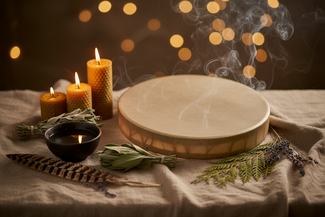
Smoke cleansing is popular, especially with incense, herbs or other cleansing tools used in home ritual. Sound is another gentle option, using a singing bowl, bell or chime. Moonlight is widely used for charging and refreshing stones. Selenite is often placed with other crystals for a clearing effect.
Be careful with water and strong sunlight. Some stones are soft, porous or water-sensitive, and others may fade in bright light. Selenite, malachite, calcite and lepidolite all need more thoughtful care. If you are ever unsure, choose a dry, gentle method rather than risking damage.
Physical care matters too. Keep polished pieces separate if they scratch easily, and store fragile minerals with a bit of cushioning. A crystal collection can be practical as well as beautiful when it is organised by type, intention or use.
What crystals can and cannot do
Crystals can be powerful supports for mindfulness, intention and spiritual practice, but they are not a substitute for medical care, mental health support or practical action. If you are dealing with serious anxiety, grief, burnout or illness, a stone may comfort you, but it should sit alongside appropriate professional support, not replace it.
That balance matters because crystal work tends to be most useful when it stays grounded. A black tourmaline in your pocket may help you feel more protected, but healthy boundaries still need to be spoken. A rose quartz beside the bed may support self-kindness, but rest also depends on sleep habits, stress levels and your wider environment.
This does not make crystal practice less meaningful. In many cases, it makes it more sustainable. The stone becomes part of a living ritual rather than a quick fix.
Building a practice that feels personal
If you are just starting, choose one or two stones and use them consistently for a week or two. Carry one daily, place one by your bed, or bring one into meditation. Notice what feels supportive and what feels neutral. Over time, your collection can grow according to real use rather than impulse.
If you already have experience, you may prefer to organise your crystals by practice area - meditation, altar work, grounding, sleep, moon rituals or energy cleansing. That makes it easier to reach for the right piece at the right time and creates more intention in how you work.
A well-chosen crystal can become part of your daily rhythm in a very practical way. Whether you are selecting your first tumble stone or adding specialist pieces to an established spiritual toolkit, the most effective approach is the one you will actually return to. Start simply, stay attentive, and let the practice deepen at its own pace.