

Working with real crystals to support clarity, balance and personal practice

A crystal that feels right in your hand is one thing. Knowing whether it suits your intention, your practice and your space is what turns a simple purchase into something you will actually use. When people search for real crystals and healing stones, they are often looking for more than appearance. They want pieces that feel genuine, work beautifully in ritual or daily wellbeing, and are easy to choose with confidence.
For some, that means a first tumbles set for calm and grounding. For others, it means palm stones for meditation, points for energy work, or specialist pieces for altar practice and sacred gifting. The best place to start is not with a long list of mystical promises, but with clarity about what each stone is, how it is commonly used, and what matters when you are buying for your own spiritual toolkit.
How to choose real crystals and healing stones
The most helpful way to shop is by intention first, then by stone type, then by form. That keeps the process grounded. If you want support for sleep, you may be drawn to amethyst, lepidolite or selenite. If your focus is protection and grounding, black tourmaline, obsidian and smoky quartz are often preferred. For heart-led work, rose quartz remains a favourite because it is gentle, versatile and easy to place in the bedroom, on a bedside table or within self-care rituals.
Form matters more than many beginners expect. A tumble stone is practical for carrying in a pocket or pouch. Palm stones suit meditation and moments of emotional regulation because they sit comfortably in the hand. Towers and points are often chosen for the home, altar or treatment room, where they become part of the atmosphere as well as the practice. Jewellery offers ongoing wearability, while raw pieces appeal to those who prefer a more natural, earthy presence.
Price can also guide your decision, but not always in the way people assume. Larger stones are not automatically better for spiritual work. A small, well-chosen crystal that you use regularly can feel far more supportive than a dramatic statement piece that never leaves the shelf. It depends on how you practise and what role you want the stone to play in everyday life.
What makes crystals feel genuine
When shoppers ask whether a stone is real, they usually mean one of two things. First, is it a natural crystal rather than plastic, dyed glass or a mislabelled imitation? Second, does it feel energetically aligned with the purpose they have in mind? Those are related, but not identical, questions.
From a product point of view, natural variation is a good sign. Real stones often have small inclusions, uneven colour zoning, natural lines, texture shifts or slight irregularities. They rarely look identical to one another, especially in raw form. Dyed pieces can sometimes appear too bright, too uniform or concentrated in cracks. Glass imitations may feel overly flawless and visually flat. That said, some genuine stones are polished to a very high finish, and some natural varieties are naturally vivid. It is not always obvious from appearance alone.
This is where buying from a trusted specialist matters. Clear product naming, accurate stone identification and a carefully segmented range help remove guesswork. For beginners, that reassurance is valuable. For experienced practitioners, it supports more intentional buying across categories such as tumbles, hearts, bracelets, pendulums, chakra sets and ritual tools.
Real crystals and healing stones by intention
Shopping by intention makes a large crystal range easier to navigate. It also reflects how most people actually use stones at home.
For grounding and protection
Black tourmaline is often chosen for energetic boundaries, especially near the front door, workspace or during emotionally demanding periods. Smoky quartz offers a steadier, softer kind of grounding and works well for meditation spaces. Obsidian can feel powerful and direct, which some people love and others find intense. If you are new to crystal work, smoky quartz is often an easier starting point.
For calm, rest and emotional balance
Amethyst remains one of the most versatile choices for sleep support, meditation and general calm. Lepidolite is popular where stress feels more mental and overstimulating, partly because people associate it with emotional soothing. Blue lace agate is another gentle option for peaceful communication and nervous system support. These are often selected as palm stones, worry stones (pocket stones) tumbles or bedside pieces.
For love, compassion and self-worth
Rose quartz is the classic heart stone for good reason. It is accessible, widely loved and easy to integrate into everyday rituals. Rhodonite may suit those doing deeper emotional processing, while green aventurine is often chosen when heart work overlaps with growth, confidence and openness to new experiences.
For clarity, focus and intuition
Clear quartz is one of the most adaptable stones in any collection. Many people use it to amplify intention, support clarity or pair with other crystals. Fluorite is often favoured for concentration and mental organisation, making it a strong choice for desks, study areas or planning rituals. Labradorite is more associated with intuition and inner guidance, especially in tarot, divination and moon practice.
The role of shape, size and finish
A stone's effect in practice often comes down to whether you will use it consistently. That is why shape and finish deserve attention.
Tumble stones are ideal for beginners because they are affordable, portable and easy to group by intention. Hearts and spheres make thoughtful gifts and look beautiful in sacred spaces. Points, generators and towers are more directional in feel and are often used in grids, altar layouts or room placement. Raw clusters can be striking for display and cleansing rituals, while bracelets and pendants suit those who prefer wearable support throughout the day.
There is also a practical difference between decorative and ritual use. A large statement geode may anchor a room beautifully, but a palm stone may be more helpful if you want something for meditation, travel or daily grounding. Neither is better. It depends on the purpose.

Cleansing and caring for your stones
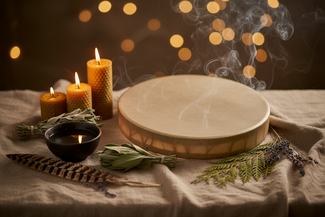
Once you bring crystals home, care becomes part of the relationship. Many people like to cleanse new stones before use, especially if they will be placed on an altar, used in healing sessions or given as a gift. Common methods include smoke cleansing, sound, moonlight and resting stones on a selenite plate or bowl.
Not every method suits every crystal. Some stones are delicate, water-sensitive or prone to fading in strong sunlight. Selenite, for example, is soft and should be kept dry. Amethyst can lose colour over time in harsh direct sun. A little product knowledge goes a long way here, especially if you are building a collection that includes both jewellery and display pieces.
Storage matters too. Keeping stones in trays, pouches, boxes or dedicated altar areas helps protect them physically and keeps your practice feeling organised. For many customers, crystals sit alongside incense, candles, tarot decks, pendulums and essential oils as part of a wider ritual space. When these items are stored with intention, they are easier to reach for and more likely to be used.
Buying for yourself or as a gift
Crystals make meaningful gifts because they sit at the meeting point of beauty, symbolism and personal intention. A rose quartz heart for a close friend, a black tourmaline piece for a new home, or an amethyst palm stone for someone needing calm all feel considered without being complicated.
If you are buying for someone new to spiritual practice, accessible stones usually work best. Clear quartz, rose quartz, amethyst and black tourmaline are easy to understand and broadly appealing. If the recipient is more experienced, they may appreciate specialist forms, rarer stones, chakra sets or tools that fit an established practice. The key is matching the stone not only to an intention but to the person's style of use.
A broad retailer with clear categories can make this much easier, particularly when you want to browse by healing purpose, stone family, ritual type or gift suitability. That is where a well-curated range becomes genuinely helpful rather than overwhelming, and it is one reason many customers come to Sacred Essence when they want both everyday favourites and more specialist spiritual pieces in one place.
Choosing with confidence
There is no need to overcomplicate the process. Start with what you need support with now. Think about where the stone will live, how often you will use it, and whether you want something discreet, decorative or ritual-led. Trust matters, but so does practicality.
Real crystals and healing stones can become part of meditation, grounding, altar work, gifting and daily wellbeing in a way that feels natural rather than performative. You do not need a huge collection or expert knowledge to begin. A few carefully chosen pieces, selected with intention and used regularly, can create a practice that feels both beautiful and believable.
If you are choosing today, let usefulness guide you as much as attraction. The right stone is often the one you will keep close, return to often and welcome into your space with ease.

Related Collections: