

Premium Grade Palo Santo Incense Sticks 30g • Peruvian Q’ero Shamanic Cleansing & Meditation

Palo Santo is a richly aromatic sacred wood used in Peruvian Q’ero, shamanic, holistic and contemporary spiritual practice for cleansing, grounding, prayer, blessing and the preparation of sacred space.

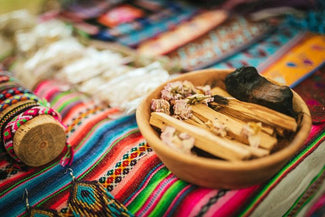
The supplied product information particularly connects Palo Santo with Peruvian Q’ero practitioners, where the wood is worked with during cleansing rituals, mesa preparation, prayer, ceremonial healing and the clearing of heavy or intrusive energies. It is also used more broadly by curanderos, ceremonial workers and other South American spiritual practitioners.

Known as “holy wood”, its fragrance opens with bright lemon and soft mint before settling into warm aromatic wood, gentle pine and deep resinous notes. Once lit and allowed to smoulder, Palo Santo brings a distinctive presence to the room, marking the passage from daily activity into meditation, prayer, energy cleansing or focused spiritual work.

Grounding. Cleansing. Uplifting.

Each stick has its own depth and character. Some pieces are pale, dry and subtle, while others are darker, denser and richly resinous. The part of the tree, maturity of the wood, natural oils and drying process all shape its fragrance, smoke and presence in practice.

Product Details:

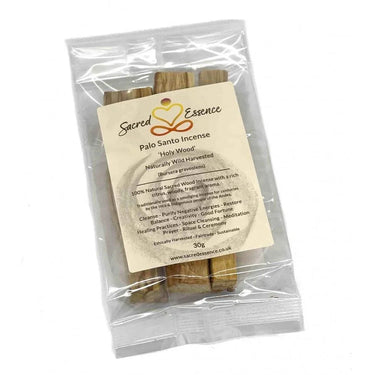
  • Product: Premium Grade Palo Santo Wood Incense Sticks
  • Pack size: 30g
  • Approximate quantity: Usually around 3–5 sticks
  • Botanical name: Bursera graveolens
  • Approximate stick size and weight: Each stick is around 9–10cm long and approximately 4–8g
  • Material: Solid natural Palo Santo wood
  • Grade: Premium grade
  • Authenticity: Natural aromatic wood rather than coated or artificially fragranced incense sticks
  • Fragrance: Woody citrus with lemon, pine, mint, warm resin and soft spice
  • Unlit aroma: Naturally fragrant before burning, with strength varying between pieces
  • Burn style: Lights briefly, then smoulders and usually self-extinguishes
  • Traditional practice: Peruvian Q’ero shamanic cleansing, mesa work, prayer, blessing and ceremonial preparation
  • Wider spiritual use: Andean ritual, curanderismo, grounding, energy clearing, meditation and altar work
  • Contemporary use: Reiki, yoga, journalling, divination, therapy rooms and personal ritual
  • Reported origin: Peru, Bolivia or Ecuador, depending on the batch
  • Supplier-described harvesting: Wild harvested from naturally fallen wood
  • Supplier-described sourcing: Authentic, respectful and sustainably managed
  • Packaging: Described by the supplier as recyclable and biodegradable
  • Natural variation: Quantity, size, grain, colour, dryness, resin content, fragrance and burn character will vary

NB: This 30g pack is sold by weight rather than by a guaranteed number of sticks. Approximately 3–5 pieces are usually supplied, although the quantity varies according to the thickness, density and resin content of the natural wood.

Each stick is around 9–10cm long and approximately 4–8g. Individual pieces can be carefully split into smaller sections where a gentler fragrance or shorter use is preferred.

Palo Santo is highly resinous, so its scent and burn character change from piece to piece. Drier wood often carries a lighter, more delicate aroma, while resin-rich sections can be deeper, sweeter and more pronounced. The section of the tree from which the wood was taken also influences its character.

When first lit, the open flame may briefly create darker or black smoke. Once the flame is blown out and the wood settles into a smoulder, the smoke generally becomes lighter or white. This is normal, though careful fire and smoke safety remains essential.

Peruvian Q’ero & Shamanic Use

Palo Santo is closely associated with Peruvian and broader South American shamanic practice.

The supplied information particularly connects it with Q’ero practitioners, where fragrant smoke is worked with during cleansing, prayer, mesa preparation, blessing, spiritual protection and the clearing of heavy or intrusive energies.

Within Q’ero traditions, paqo can be a more culturally specific term for a trained ceremonial practitioner than the broad Western word “shaman”. Different paqos, curanderos, teachers, communities and lineages work with Palo Santo in their own ways.

Some allow the smoke to rise from a fireproof dish. Others carry it through a room, work around a person or ritual object, or combine it with prayer, sound, breath and ceremonial intention.

Its traditional use can include:

  • preparing a mesa or altar
  • opening or closing ceremony
  • cleansing ritual tools
  • grounding before or after spiritual work
  • blessing a person, object or space
  • supporting prayer and journeying
  • clearing heavy or stagnant energy

The wood is best approached with respect for the living Peruvian, Q’ero and wider South American traditions connected with it.

For broader personal practice, Palo Santo can still be worked with simply and respectfully before meditation, journalling, divination, yoga or prayer. The fragrance supports the atmosphere of the ritual, while meaning is carried through intention, attention and the way the wood is used.

Cleansing, Grounding & Spiritual Meaning

Palo Santo is traditionally connected with cleansing, protection, grounding, prayer and spiritual renewal.

It is used to prepare sacred space, bless a threshold, settle the atmosphere before meditation or mark the beginning and end of ritual. In contemporary practice, people also work with it during Reiki, sound healing, bodywork, breathwork, crystal practice and reflective journalling.

Its spiritual associations often centre on:

  • clearing heavy or stagnant energy
  • grounding before ritual or meditation
  • blessing a room, altar or sacred object
  • supporting prayer and ceremonial preparation
  • opening or closing spiritual work
  • inviting peace, clarity and renewal

The wood becomes more than fragrance alone. Lighting it creates a pause—a threshold between what has passed and what is ready to begin.

Its presence is often chosen during times of transition, emotional heaviness or mental busyness, when a steadier and more intentional atmosphere is desired. These meanings belong to spiritual practice, sensory experience and personal belief rather than guaranteed medical or supernatural effects.

Genuine Palo Santo Wood

This product is supplied as solid natural Bursera graveolens wood rather than manufactured bamboo-core incense sticks coated with Palo Santo fragrance.

Its aroma comes from the wood’s own natural resins. The scent may already be noticeable before lighting and often becomes fuller as the wood warms and begins to smoulder.

Natural grain, colour, density and resin variation are expected. A lighter or drier stick is not necessarily lower quality, just as a darker or more strongly scented piece is not automatically better.

Authenticity cannot be judged by fragrance alone, which is why supplier traceability and responsible sourcing remain important.

The Changing Character of the Wood

One of the most distinctive qualities of Palo Santo is the way its character changes from stick to stick.

Its individual depth is shaped by the part of the tree, concentration of natural resin, age and maturity of the wood, drying time, grain, density and remaining moisture.

Some pieces are light, dry and subtle. Others are darker, denser and more resinous, carrying a fuller and more poignant fragrance.

Across a 30g pack, it is natural to notice different depths of aroma, colouring and density. In spiritual practice, this can also be experienced as part of the individual energy and presence of each piece.

A gentler stick is not inferior, and a stronger piece is not necessarily better. Each one brings its own fragrance, rhythm and character.

The Fragrance of Palo Santo

Palo Santo has a bright yet grounded fragrance that changes as the wood warms.

The aroma may unfold through:

  • bright lemon and soft mint
  • sweet woody citrus
  • gentle pine
  • warm aromatic wood
  • mild spice
  • deep balsamic resin

At first, the scent can feel fresh and uplifting. As the stick begins to smoulder, warmer and more resinous notes emerge, gradually settling into a softer woody depth.

Fragrance remains subjective, and every piece unfolds differently. Resin-rich wood can be deep and persistent, while drier sections may carry a lighter, more delicate character.

Palo Santo is sometimes compared with Frankincense or Copal because of its ceremonial warmth, although it remains brighter, more citrus-led and distinctly woody in its own right.

Using Palo Santo with Spring Water

Some practitioners place Palo Santo in spring water and allow the wood to absorb a little moisture before burning.

This changes the way the natural resins release their fragrance and can bring forward a softer, fresher or more rounded aroma. Many people are surprised by how different the same piece of wood can feel after it has been moistened.

Remove the stick from the water and allow excess moisture to drain. Depending on how much has been absorbed, it may be ready to use after a few minutes, or it may need an hour or two to dry sufficiently.

The wood can still be burned after soaking, though it may take longer to light, smoulder more gently or self-extinguish more quickly. Never attempt to light it while it is dripping wet.

Different practitioners prepare Palo Santo differently, so this can be explored as part of personal practice rather than followed as a fixed rule.

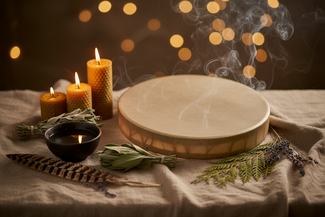
A Simple Palo Santo Ritual

Place one stick or a carefully split section over a stable, heat-resistant dish.

Light one end and allow the flame to catch for around 20–30 seconds. Gently blow it out and let the wood settle into a smoulder.

Allow the smoke to rise naturally, or move carefully through the room while keeping the wood over the dish to catch ash and embers.

Hold a simple intention such as:

“May this space be cleared, grounded and held in peace.”

Palo Santo usually smoulders for a short time and then goes out by itself. This is normal and does not mean the wood is faulty. Relight it when needed.

Some practitioners work with the smoke around ritual objects, doorways, treatment spaces or altars. Others allow the fragrance to rise while sitting in meditation or prayer.

A ritual does not need to be complicated to feel sacred. A clear intention, a quiet moment and a respectful approach are enough.

Contemporary Spiritual & Holistic Practice

Palo Santo is now used widely across holistic and contemporary spiritual settings.

It is commonly worked with during Reiki and energy work, yoga and breathwork, meditation, prayer, sound healing, massage, crystal practice, tarot or oracle readings, journalling and altar work.

A Reiki practitioner may burn it before a session to establish a grounded atmosphere. A yoga teacher may use the fragrance before class, while a meditation guide may choose it to mark the beginning of stillness and focused attention.

The 30g pack is well suited to occasional personal practice, travel, small home altars, thoughtful spiritual gifts and those trying natural Palo Santo wood for the first time.

In each setting, the aroma acts as a sensory threshold—a gentle invitation to slow down, become present and enter the space with care.

Authentic, Wild-Harvested & Sustainable

This premium-grade Palo Santo is selected for its natural resin, aromatic depth and distinctive woody-citrus character.

The supplier describes the wood as authentically sourced, wild harvested and collected from naturally fallen trees rather than freshly cut living wood. It is supplied through respectful South American forest sources connected with sustainable management and replanting practices.

Responsible sourcing matters because Palo Santo is both a natural resource and a culturally significant ceremonial wood. The suppliers chosen for this product are selected for their stated care for the land, the wood and the communities connected with its harvest.

As with all natural Palo Santo, each batch differs. Some sticks are deeper and more resin-rich, while others are lighter and more subtle. These variations reflect the part of the tree and natural maturity of the wood rather than a difference in quality.

Descriptions such as premium grade, naturally fallen, wild harvested, authentic, sustainable or Fairtrade reflect supplier-provided information and the documentation available for the batch.

Explore the Palo Santo Collection

Discover Palo Santo in a choice of sizes and formats, including individual wood sticks, 30g, 50g, 100g, 500g and 1kg packs, 5ml and 10ml Palo Santo essential oils, and a variety of Palo Santo incense and joss sticks. Explore the full collection to find the most suitable option for cleansing rituals, meditation, prayer, aromatherapy and everyday spiritual practice.

Quick FAQs

How much Palo Santo is included?

The pack contains 30g of natural Palo Santo wood.

How many sticks are supplied?

Approximately 3–5 sticks are usually included. The exact quantity varies because the pack is sold by weight.

What size are the sticks?

Each stick is around 9–10cm long and approximately 4–8g.

Is this genuine Palo Santo wood?

It is supplied as solid natural Bursera graveolens wood rather than coated or artificially fragranced incense.

Is this premium-grade Palo Santo?

Yes. It is supplied as premium-grade wood selected for its natural resin, aroma and overall character.

Is it wild harvested?

The supplier describes it as wild harvested from naturally fallen wood.

Is this connected with Peruvian Q’ero shamanic practice?

Yes. The supplied information particularly associates Palo Santo with Peruvian Q’ero practitioners and wider South American shamanic use. Methods differ between paqos, curanderos, communities and ceremonial lineages.

Can the sticks be split into smaller pieces?

Yes. They can be carefully divided where a smaller section or gentler fragrance is preferred. Take care with splintered or sharp edges.

Why do the sticks look and smell different?

The colour, grain, density, dryness and aroma vary according to the part of the tree and the natural concentration of resin.

Why is the smoke black when first lit?

The open flame can briefly produce darker smoke or soot. Once blown out and properly smouldering, the smoke generally becomes lighter or white.

Why does Palo Santo keep going out?

Natural Palo Santo usually smoulders for a short period and then self-extinguishes. This is normal, and it can be relit when needed.

Can it be placed in spring water?

Yes. Some practitioners moisten the wood to explore a different aromatic character. Allow it to drain and dry sufficiently before lighting.

Does it clear negative energy?

Energy cleansing is a traditional spiritual use and belief rather than a scientifically established effect.

Care & Safety

Burn only in a stable, heat-resistant holder and use in a well-ventilated space.

Never leave burning or smouldering wood unattended. Keep away from curtains, bedding, paper and other flammable materials.

Avoid inhaling smoke directly.

Use extra care around babies, children, birds, pets and anyone with asthma, allergies or respiratory sensitivity.

If the wood has been placed in spring water, allow excess moisture to drain and let the surface dry before lighting.

Palo Santo usually self-extinguishes, but always check that the ember is fully out. Press it into sand or another suitable fireproof surface after use.

Disclaimer

Traditional, shamanic and spiritual meanings vary between communities and practitioners. Premium-grade, wild-harvested, naturally fallen, sustainable and sourcing statements reflect supplier information. This product is sold as aromatic incense and is not intended to provide medical or guaranteed spiritual effects.

Orders & Shipping
Orders placed before 3:00pm are processed and shipped the same day. We ship worldwide.

Tracking Information
Please monitor your parcel using the tracking details provided in your shipping confirmation email. Tracking is usually updated within 24 hours of dispatch and continues until delivery is confirmed.

Duties & Taxes
EU and international duties and taxes are the responsibility of the customer and must be paid locally where applicable. For non-UK customers, UK tax is automatically removed at checkout once the shipping destination is selected.

Customs Delays
Some international orders may be delayed due to customs checks, which are outside our control. Delays may be longer during busy periods.

Returns
For orders that qualified for free delivery, returned items may be subject to the original shipping fee and any collection costs.

Refused or Cancelled International Orders
International orders that are refused, returned, and then cancelled may be subject to a 10% surcharge. Parcels can be re-shipped on request, although an additional charge may apply.