
A beginner-friendly guide to choosing incense sticks for meditation, relaxation, ritual practice and everyday home fragrance.

A single incense stick can change the feel of a room within minutes. Whether you light one before meditation, during tarot practice, after a long day at work or simply to refresh your space, scent has a way of shifting mood, focus and intention. That is why incense sticks explained - uses, benefits & how to choose - is a helpful place to start if you want something that feels both practical and meaningful.
Incense often sits at the meeting point of wellbeing, ritual and home atmosphere. For some people, it is part of a daily spiritual practice. For others, it is a simple sensory ritual that marks the start of rest, reflection or quiet time. The right incense can support both.
What incense sticks are and why people use them
Incense sticks are slim sticks coated in aromatic materials that release fragrance when burned. Depending on the blend, that fragrance may be woody, floral, resinous, spicy, earthy or fresh. Some are made for pure scent enjoyment, while others are selected for a more intentional purpose such as grounding, cleansing or supporting meditation.
People use incense in different ways because the experience is personal. One person may burn sandalwood to create a calm, centred atmosphere before yoga. Another may choose frankincense for prayer or altar work. Someone else may keep lavender incense on hand for evenings when the home needs a softer, quieter energy.
This is also why incense remains popular across both everyday wellbeing and spiritual practice. It is easy to use, accessible for beginners and varied enough to suit many different preferences.
Different types of incense sticks
Not all incense sticks are made in the same way, and understanding the differences can help you choose a fragrance that suits both your space and your style of practice.
Bamboo-core incense sticks are the most familiar and widely used. They consist of a thin bamboo stick coated in aromatic materials and are available in an enormous range of fragrances, from floral and woody blends to traditional temple incense.
Masala incense is made by blending natural herbs, woods, spices and resins into a paste before it is hand rolled onto the stick. Many people appreciate masala incense for its rich, layered aroma and more traditional character.
Charcoal incense uses a charcoal base to carry fragrance oils. These sticks often produce brighter, stronger scents and are popular where a more intense fragrance is preferred.
Japanese incense is different again because it contains no bamboo core. These fine sticks produce very little smoke and are often chosen for meditation, tea ceremonies, quiet reflection and smaller indoor spaces where a lighter fragrance is preferred.
The style you choose is just as personal as the fragrance itself. Some people enjoy the fuller aroma of traditional Indian masala incense, while others prefer the cleaner, more delicate experience of Japanese incense.

Incense sticks explained: uses, benefits & how to choose
If you are choosing incense for the first time, it helps to think in terms of intention rather than just fragrance. Scent matters, of course, but the most satisfying choice usually comes from asking what you want the incense to support.
For meditation and mindfulness, many people prefer calming, steady scents such as sandalwood, nag champa or gentle floral blends. These tend to create a settled atmosphere without feeling too sharp or distracting. If your practice leans more towards grounding and energy work, richer resins and earthy notes often feel more anchoring.
For energy cleansing, incense is often used to refresh the feel of a room after visitors, during a house reset or before ritual work. In this context, people often look for purifying or uplifting blends, including frankincense, myrrh, white sage-inspired incense and temple-style fragrances. The benefit here is not only aromatic. The act of lighting incense can become a clear signal that you are consciously changing the energy of your space.
For relaxation, lighter and more comforting blends tend to work well. Lavender, rose, jasmine and soft amber notes are often chosen for bedrooms, bath rituals and evening wind-down routines. If the aim is simply to make a room feel welcoming, incense can offer a more atmospheric alternative to standard home fragrance.
For ritual and altar work, the choice may be symbolic as much as sensory. Some practitioners match incense to lunar phases, divination, chakra work, seasonal ceremonies or deity practice. Others keep a few familiar scents that they use repeatedly, allowing the fragrance itself to become part of the ritual language.
The benefits of incense sticks
The benefits of incense are often subtle, which is part of their appeal. Incense does not need to do everything. Sometimes its value lies in creating a pause.
One clear benefit is atmosphere. A room scented with the right incense can feel calmer, warmer or more focused. This matters if you are trying to create a meditation corner, a peaceful treatment room or a home altar that feels distinct from everyday activity.
Another benefit is rhythm. Lighting incense can help mark a transition between one part of the day and another. It can signal the start of morning journalling, evening reflection, breathwork, prayer or rest. Small repeated rituals often become easier to maintain when there is a sensory cue attached.
There is also an emotional benefit. Fragrance is closely tied to memory and mood, so certain incense blends can quickly bring a sense of familiarity, comfort or steadiness. That does not mean every scent works for every person. It depends on your associations and sensitivities. What feels deeply relaxing to one person may feel too heavy to another.
From a spiritual perspective, many people value incense for its role in cleansing, intention setting and sacred space curation. Burning incense can help separate ritual time from ordinary time. It can also support practices involving tarot, crystals, prayer, sound healing or energy work by giving the senses something to anchor into.

How to choose incense sticks without feeling overwhelmed
The easiest way to choose incense is to begin with one question: what do you want this incense to do in your space?
If you want calm, start with classic meditative scents such as sandalwood or nag champa. If you want freshness and uplift, look towards citrus, light florals or cleansing blends. If you want something ceremonial or traditional, resins and temple-style fragrances may feel more aligned.
It is also worth thinking about where you will burn it. A small bedroom may suit softer, less intense fragrances. A larger living area or dedicated practice room can often hold richer scents more comfortably. Strength matters. Some incense fills a room quickly, while others stay close and gentle.
Personal sensitivity matters too. If you are new to incense, starting with a few well-loved fragrances is usually better than choosing very intense blends straight away. You may discover that you prefer smooth woods over sweet florals, or subtle herbal notes over rich resins. There is no correct choice - only what feels supportive in your own environment.
Quality is another factor. Well-made incense tends to smell cleaner and more balanced, without becoming harsh too quickly. If you use incense regularly for meditation, cleansing or relaxation, the quality of ingredients and blending will make a noticeable difference to the overall experience.
Popular incense scent families and what they are often used for
Woody scents such as sandalwood and cedar are often chosen for grounding, meditation and creating a calm, centred room. They are especially popular with people who want something gentle but steady.
Floral scents, including rose, jasmine and lavender, are commonly used for relaxation, heart-centred ritual, self-care and softer home fragrance. These can feel comforting, romantic or soothing depending on the blend.
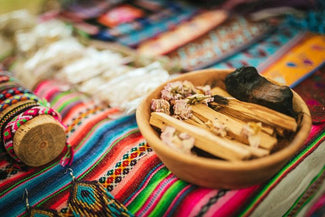
Resinous scents such as frankincense and myrrh are often linked with prayer, purification, ceremonial work and deeper spiritual practice. They tend to feel more traditional and can be ideal for altar spaces or intentional rituals.
Earthy and herbal scents are often selected for cleansing, grounding and reconnecting with the natural world. These are useful if you want incense that feels less perfumed and more elemental.
Spiced and temple-inspired blends can create warmth, focus and a sense of devotional atmosphere. Many experienced incense users return to these when they want depth and presence in a space.
A tradition found across many cultures
Incense has been part of human life for thousands of years. It appears in Buddhist temples, Hindu ceremonies, Christian worship, Japanese kōdō traditions, Middle Eastern hospitality and countless personal spiritual practices around the world.
Although the ingredients, fragrances and customs vary, the intention is often similar: to create an atmosphere that encourages reflection, prayer, celebration or quiet presence. Today, many people continue that tradition in their own homes, adapting incense into meditation, yoga, journalling, relaxation and everyday wellbeing.

Practical tips for using incense well
Good incense use is partly about scent and partly about setup. Always burn incense in a suitable holder on a heat-resistant surface, away from loose fabrics, children and pets. Ventilation matters as well. Even if you enjoy rich fragrances, a little airflow usually creates a better experience.
You do not need to burn a whole stick every time. If you prefer a lighter touch, you can let it burn for a shorter period and extinguish it carefully. This works well in smaller homes or when you want a brief ritual rather than a long-lasting fragrance.
It also helps to match the incense to the moment. A bright cleansing blend may be perfect in the morning but feel too energising before bed. In the same way, a heavy resin may feel beautiful for ritual work yet too intense for everyday use. Let the purpose guide the choice.
Incense sticks or incense cones?
People often ask whether incense sticks or incense cones are the better choice. In reality, they simply create different experiences.
Incense sticks usually burn more slowly and release fragrance gradually, making them ideal for meditation, yoga, reading or creating a gentle background atmosphere over a longer period.
Incense cones tend to produce a richer, more immediate fragrance because they burn through a compact cone of aromatic material. They are often chosen for shorter rituals, altar work or when you want the scent to establish itself more quickly.
Many people enjoy keeping both on hand, using sticks for everyday relaxation and cones for occasions that call for a stronger sensory presence.
A quick guide to different types of incense
As your interest in incense grows, you may find yourself exploring more than one format. Each offers a slightly different experience, and many people enjoy keeping a small selection at home depending on the occasion, fragrance or ritual.
| Type | Often Chosen For |
|---|---|
| Incense Sticks | Everyday home fragrance, meditation, yoga and longer, slower burns. |
| Incense Cones | Richer fragrance, shorter rituals and creating atmosphere more quickly. |
| Dhoop Cones | Prayer, ceremony, traditional temple-style fragrance and deeper aromas. |
| Backflow Cones | Decorative cascading smoke effects for meditation spaces and altars. |
| Resin Incense | Ceremonial rituals, spiritual practice and traditional charcoal burning. |
| Palo Santo | Grounding, intention setting and creating a calm, welcoming atmosphere. |
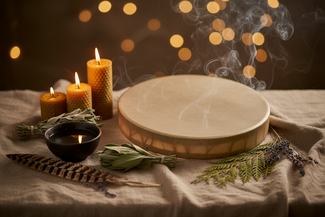
| White Sage | Energy cleansing, space clearing and fresh beginnings. |

Choosing quality incense
Not all incense is created equally. Better-quality incense is often made with carefully blended woods, herbs, resins and botanical ingredients that produce a smoother, more balanced aroma. Poorly made incense can sometimes smell harsh, overly synthetic or become overwhelming once lit.
When choosing incense, consider the quality of the ingredients, the reputation of the maker and whether the fragrance feels comfortable in your own space. The most expensive option is not always the best, but well-crafted incense is often noticeable from the moment it begins to burn.
Choosing incense for gifting
Incense also makes a thoughtful gift, especially for anyone interested in wellbeing, meditation, crystals, tarot or creating a calmer home. If you are buying for someone else, classic scents are usually the safest starting point. Sandalwood, nag champa and lavender tend to have broad appeal and suit a range of practices.
If the recipient already has an established spiritual routine, you can be more intention-led. A cleansing blend, a ceremonial resin style or a calming evening fragrance can all feel personal without being overly complicated. Retailers with a wide incense selection, such as Sacred Essence, can be especially helpful here because shoppers can browse by scent family, ritual purpose or product type rather than guessing.
Incense does not need to be elaborate to be effective. The best choice is usually the one that fits your space, your senses and your intention with ease. Start simple, notice how each fragrance makes you feel, and let your ritual shelf grow naturally from there.

Explore Related Collections
- Shop Incense Sticks
- Shop Incense Cones & Dhoop Incense Cones
- Shop Backflow Incense Burners & Cones
- Shop Resin Incense, Charcoal & Accessories
- Shop Smudge Sticks, Wands & Loose Sage
Related Reading
-
The Complete Guide to Incense Cones
- Sage Vs Palo Santo
-
Nag Champa Incense: Uses, Benefits & Popularity
- How to Cleanse Your Home With Incense
FAQs
What are incense sticks used for?
Incense sticks are commonly used for meditation, relaxation, yoga, prayer, energy cleansing, home fragrance and creating a calm, welcoming atmosphere.
Which incense stick is best for beginners?
Sandalwood, nag champa and lavender are excellent starting points because they are well-balanced, widely enjoyed and suitable for many different practices.
How long do incense sticks burn?
Most standard incense sticks burn for approximately 30–60 minutes, depending on their length, ingredients and style.
What is the difference between incense sticks and cones?
Incense sticks usually burn more slowly and provide a gentler, longer-lasting fragrance. Incense cones tend to produce a richer, more concentrated aroma over a shorter period.
Can I burn incense every day?
Many people enjoy burning incense daily as part of meditation, mindfulness or relaxation. Always burn incense safely in a suitable holder and ensure your room has some ventilation.
Visit Us or Explore Online
You are always welcome to visit our shop in Coniston, in the heart of the Lake District, where we are happy to help you explore different incense fragrances, burners and spiritual tools in person. Or browse online and discover our full collection of incense sticks, cones, resins, burners and wellbeing accessories.
Visit us in Coniston or explore online at Sacred Essence
You can also follow along on Instagram and Facebook for inspiration, new arrivals and updates from our Coniston shop.

A Final Thought
Incense sticks have remained part of homes, temples and spiritual traditions for centuries because they offer something beautifully simple—a gentle invitation to pause.
Whether you light one to begin meditation, prepare a sacred space, unwind after a busy day or simply enjoy a favourite fragrance, the ritual is less about filling a room with scent and more about creating a moment of intention.
Start with the fragrances that speak to you, explore different traditions over time, and allow your incense practice to grow naturally. Often, the smallest rituals become the ones we return to most. ✨
Sacred Essence 🌈