Explore the Q’ero Paqos of Peru
The Q’ero are an Indigenous people of the high Andes of Peru, with communities associated with the region around Ausangate. Within Q’ero spiritual tradition, Paqos are ceremonial practitioners whose work is rooted in prayer, offerings, sacred landscape and relationship with Pachamama and the Apus.
Their worldview places strong emphasis on reciprocity, relationship and balance. Ayni — often translated as reciprocal exchange — is an important principle within Andean life and ceremonial practice, expressing the idea of maintaining respectful relationship between people, community, landscape and the sacred world.
Concepts such as sami, commonly described as light or refined energy, and hucha, often understood as heavier or denser energy, also appear within contemporary explanations of Q’ero spiritual practice. These ideas belong within a specific Andean cultural and spiritual context rather than a universal energy system.
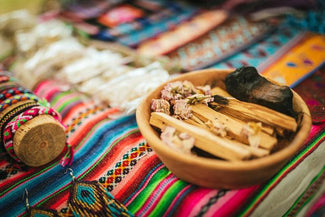
Sacred objects used within these traditions may include Khuya Stones, Chumpi Stones, Mesa bundles, Despacho offerings, woven ceremonial textiles and other ritual tools. Together, these objects form part of a living tradition in which craftsmanship, landscape, ceremony and spiritual relationship are closely connected.
Q’ero Textiles, Mesa Cloths & Ritual Tools
The Sacred Essence Q’ero Paqo collection brings together ceremonial textiles and ritual objects associated with Q’ero and wider Andean spiritual practice.
Depending on availability, the collection may include:
- Q’ero Mesa Cloths & Mestanas
- Unkuna Inner Cloths
- Chumpi Stones, Khuya Stones & Mesa Stones
- Power Animal Figures
- Pachamama & Apus Figures
- Woven Bands, Chuspas, Kintu Pouches & Belts
- Mesa Bags & Shoulder Bags
- Ceremonial Hats & Ponchos
- Inti Watana Wraps & Mesa Ties
- Other traditional Q’ero ritual tools and woven pieces
Each item carries its own role, symbolism, craftsmanship and provenance. Individual product pages provide the most specific information about the maker, material, dimensions and supplied ceremonial context.
Mestana Mesa Cloths
Mestanas are among the most distinctive textiles associated with Mesa practice.
These woven ceremonial cloths may form the outer wrapping of a Mesa bundle or provide a working surface for sacred stones, ritual tools and offerings. Their vivid colours, geometric designs and regional character make them visually striking, but within their cultural context they are far more than decorative textiles.
Patterns, colours and weaving styles may reflect landscape, family identity, community, cosmology and ceremonial tradition.
Because Mestanas are handmade, differences in weave, colour, motif and finish are part of their individual character.
Explore Mestana Mesa Cloths
Unkuna Inner Cloths
An Unkuna is a smaller inner ceremonial cloth used within a Mesa or sacred bundle.
It may be used to hold or protect more personal sacred objects, stones, prayers and ritual items within the larger wrapping.
The distinction between Mestana and Unkuna is particularly useful for those learning about Mesa practice, as the two textiles can serve different roles within the same ceremonial bundle.
Explore Unkuna Inner Cloths
Chumpi Stones, Khuya Stones & Mesa Stones
Chumpi Stones are among the most distinctive ceremonial objects within the Sacred Essence Q’ero collection.
Within Q’ero and contemporary Andean-inspired practice, Chumpi Stones may be used ceremonially in relation to the body, sacred landscape, energetic symbolism and personal spiritual work.
Individual sets can vary in stone type, carving, number of points, markings and supplied ceremonial context.
Khuya Stones and other Mesa Stones may also be kept within a personal Mesa, where they can hold personal, symbolic or ceremonial significance for the practitioner.
These objects are best understood as culturally specific ritual tools rather than simply as generic healing crystals.
Their meaning and use can vary according to lineage, teacher, practitioner and individual ceremonial relationship.
Explore Chumpi & Shamanic Healing Stones
Power Animal Figures
Power-animal figures may include animals such as Jaguar, Serpent, Hummingbird and Eagle or Condor, depending on the individual piece and tradition.
These animals appear within contemporary Andean and shamanic teaching systems and may be associated symbolically with qualities such as transformation, perspective, movement, courage or relationship with different realms of experience.
Their meanings are not universal, and individual figures are best understood through their specific cultural and supplied context.
Pachamama & Apus Figures
Pachamama is commonly understood in relation to the living Earth, while the Apus are sacred mountain beings or presences associated with particular peaks and landscapes.
For the Q’ero, the surrounding mountains are not simply scenery but part of a living sacred world with which relationship and reciprocity are maintained.
Figures representing Pachamama, the Apus or other sacred beings may be used within altar or Mesa practice, personal ceremony or simply kept as culturally meaningful objects.
Their significance is relational and ceremonial rather than merely decorative.
Chuspas, Kintu Pouches & Mesa Bags
Q’ero textiles also include practical woven forms used for carrying sacred, ceremonial or valued objects.
Chuspas are traditional woven pouches, while Kintu pouches may be associated with carrying leaves or small offerings used within ceremonial practice.
Larger Mesa and shoulder bags can hold folded textiles, ritual tools and personal ceremonial objects.
These pieces combine practical function with the colour, geometry and distinctive visual language of Andean weaving.
Explore Q’ero Chuspas & Kintu Pouches
Explore Mesa & Shoulder Bags
Q’ero Ponchos, Hats, Bands & Belts
Ceremonial and traditional clothing also forms an important part of Q’ero textile culture.
Ponchos, hats, woven bands and Chumpi belts can carry distinctive colours, motifs and regional identity, reflecting both craftsmanship and cultural continuity.
These pieces may be worn within community, ceremonial or traditional settings depending on their form and purpose.
Explore Q’ero Paqo Shaman Ponchos
Explore Q’ero Hats, Bands & Chumpi Belts
Manta Altar & Ritual Cloths
Alongside Mestanas and Unkunas, wider Andean textile traditions include Manta cloths used for carrying, wrapping, altar work or ceremonial display.
Their exact function varies according to the textile, community and intended use.
The wider Sacred Essence textile collection brings these related forms together while keeping individual product descriptions specific to their own provenance and purpose.
Explore Manta Altar & Ritual Cloths
Despacho Ceremony & Offerings
Despacho ceremony is an Andean offering practice centred around reciprocity, gratitude and relationship.
A Despacho may contain carefully arranged offerings chosen according to the intention of the ceremony and the tradition of the practitioner.
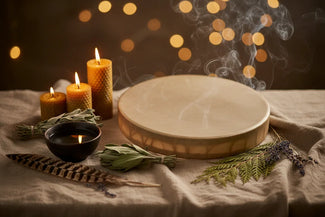
Ceremonial textiles, Mesa tools, sacred stones and other ritual objects may form part of the wider setting in which Despacho practice takes place.
The precise structure and meaning of a Despacho can vary, so it is better understood through appropriate cultural teaching rather than treated as one fixed universal ritual.
Ayni, Traditional Craft & Sacred Exchange
Ayni — reciprocity and balanced exchange — is an important principle within Andean life and spiritual practice.
It can be understood not simply as exchange between people, but as relationship with community, landscape, ancestors, Pachamama and the Apus.
Sacred Essence works directly with Q’ero makers, families and ceremonial practitioners, supporting the continuation of weaving, ceremonial craft and traditional knowledge through respectful trade.
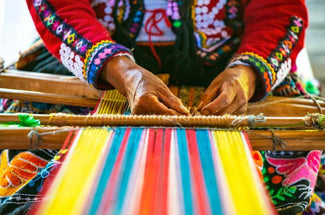
Q’ero artistry includes spinning, dyeing and weaving fibres into textiles whose patterns can reflect family identity, regional tradition, landscape, cosmology and ceremonial meaning.
These pieces are not simply decorative objects. Within their cultural context, they can form part of living spiritual and ceremonial practice.
Authenticity & Provenance
Sacred Essence works directly with Q’ero makers, families and ceremonial practitioners and aims to describe the provenance of each piece as clearly as possible.
Where an item is described as Q’ero-made or associated with a particular ceremonial practice, that description reflects the sourcing information supplied with the individual piece.
Because these objects are handmade, differences in colour, weave, carving, dimensions, stone form and finish are to be expected.
These variations are part of their individual character rather than faults.
Explore Related Sacred Textile Collections
The wider Sacred Textile Weavings department brings together the different woven forms associated with Q’ero and Andean ceremonial practice.
Explore Peruvian Artisans
The Q’ero Paqo collection focuses specifically on Q’ero ceremonial textiles, sacred objects and ritual tools.
For a broader selection from other Peruvian and Andean artisan communities, explore our Peruvian Artisans collection.
There you will find a wider mix of Peruvian textiles, ceremonial bells, rattles, artisan crafts, ritual objects and handmade pieces that sit alongside — but are not presented as identical to — the Q’ero tradition.
This distinction helps preserve the identity of the Q’ero collection while celebrating the wider diversity of Peruvian craftsmanship.
Common Uses
Depending on the individual item, Q’ero textiles and ritual tools may be used for:
- Mesa building and altar creation
- Despacho offerings and gratitude ceremonies
- Prayer and ceremonial practice
- Meditation and sacred-space work
- Carrying or wrapping sacred objects
- Personal ceremonial practice
- Spiritual gifting where culturally appropriate
The meaning of an individual object depends on its own context, practitioner and tradition.
Frequently Asked Questions
Who are the Q’ero Paqos?
Q’ero Paqos are ceremonial and spiritual practitioners from Q’ero communities in the Peruvian Andes. Their traditions include prayer, offerings, sacred textiles, Mesa practice and relationships with Pachamama and the Apus.
What is a Mesa?
A Mesa is a ceremonial bundle or collection of sacred objects used within Andean spiritual practice. Its contents, arrangement and meaning can vary between practitioners and traditions.
What is a Mestana Mesa cloth used for?
A Mestana is a ceremonial woven cloth that may form the outer wrapping or working cloth of a Mesa and can be used around sacred stones, ritual objects and offerings.
What is an Unkuna inner cloth?
An Unkuna is a smaller inner ceremonial cloth used to hold or protect more personal sacred objects and ritual items within a Mesa bundle.
What are Chumpi Stones?
Chumpi Stones are carved ceremonial stones used within some Q’ero and Andean-inspired practices. Individual sets vary in shape, number of points, symbolism and ceremonial context.
What are Khuya Stones?
Khuya Stones are sacred or personally significant stones that may form part of a practitioner’s Mesa. Their meaning and use can vary according to individual tradition, relationship and teaching.
What is a Despacho ceremony?
A Despacho is an Andean offering practice centred around reciprocity, gratitude and relationship with the natural and spiritual world.
What does Ayni mean?
Ayni is commonly understood as reciprocity or balanced exchange. Within Andean traditions it can describe relationships between people, community, landscape and the sacred world.
Are these items made by Q’ero artisans and Paqos?
Sacred Essence works directly with Q’ero makers, families and ceremonial practitioners. Individual product descriptions should be checked for the specific maker, materials and provenance of each piece.
Are all Q’ero ritual tools used in the same way?
No. Meaning and use can vary according to lineage, teacher, practitioner and individual ceremonial context.
Related Guides
To explore the ceremonial context further, read our Despacho Ceremony guide for an introduction to offerings, gratitude and reciprocity. For ideas on arranging a personal sacred space, our How to Create an Altar guide offers a practical starting point.
Related Blogs
Discover What Are Chumpi Stones? Meaning and Uses – Blog for further reading about these ceremonial stones.
Visit Sacred Essence in the Lake District
You can also explore selected Q’ero textiles, Chumpi Stones, ritual tools and ceremonial items in person at our Sacred Essence shop in Coniston.
Surrounded by the Lake District landscape, the shop offers a quiet place to see selected textiles and ceremonial objects more closely and speak with the Sacred Essence team about their sourcing and individual character.
If you are travelling to see a particular Mestana, Unkuna, Chumpi Stone set, Mesa bag or other ceremonial piece, please contact us before visiting so we can confirm availability.
Visit Sacred Essence in Coniston
Respectful Use
These items are offered with respect for the living Q’ero and Andean traditions from which they come.
Sacred Essence encourages thoughtful engagement with their cultural context and recommends learning about the traditions, meanings and practices connected with the textiles and tools you choose.
References to sami, hucha, Pachamama, Apus, energetic practice or spiritual development should be understood within their cultural and symbolic context rather than as medical, psychological or scientifically established claims.