Tibetan Spirits — Buddhist Statues, Ritual Tools & Himalayan Sacred Objects
Tibetan Spirits brings together a carefully selected range of Buddhist and Himalayan-inspired ritual objects, meditation tools and decorative sacred pieces.
The collection includes statues, mala beads, tingsha bells, ritual implements, incense, prayer flags and altar accessories, making it a useful starting point for anyone exploring Tibetan Buddhist symbolism, meditation practice or Himalayan sacred arts.
Some pieces are chosen for active spiritual practice, while others are appreciated for their symbolism, craftsmanship or role within a personal altar or contemplative space.
About Tibetan Spirits
Tibetan Spirits is a Sacred Essence artisan collection centred around Buddhist, Tibetan, Nepalese and Himalayan spiritual traditions.
Rather than presenting all items as belonging to one single ritual system, the collection brings together objects from several related traditions and uses.
This distinction matters because a Buddha statue, a mala, a vajra and a prayer flag each have their own history, symbolism and place within practice.
Buddhist Statues
Buddhist statues are often used as devotional objects, meditation focal points or symbolic reminders of particular qualities within Buddhist traditions.
The collection may include representations of Buddhas, bodhisattvas and other sacred figures.
Different figures are associated with different teachings and symbolic qualities, so it is helpful to read the individual product description rather than treating every statue as having the same meaning.
Buddhist statues may be placed on a home altar, meditation shelf or other respectful space.
Mala Beads & Buddhist Prayer Beads
Mala Beads & Buddhist Prayer Beads are traditionally used for counting mantra repetitions, prayers or breaths.
Many malas contain 108 beads, although other counts also exist depending on tradition and intended use.
Some people use mala beads formally within Buddhist or Hindu practice, while others incorporate them into meditation, breath awareness or reflective routines.
The beads themselves do not need to promise a spiritual or energetic effect in order to become a meaningful part of practice.
Explore malas within our wider Crystal Jewellery: Bracelets, Pendants & Malas collection.
Tingsha Bells
Tingsha Bells are small paired cymbals traditionally associated with Tibetan Buddhist ritual contexts.
When struck together, they produce a clear, high-pitched tone.
Today they are also used by meditation teachers, sound practitioners and yoga facilitators to mark transitions, open or close sessions or bring attention back to the present moment.
Browse tingsha within our wider Meditation Bells collection.
Singing Bowls
Singing Bowls are another familiar part of Himalayan and contemporary meditation practice.
They may be struck or played around the rim to create resonant tones used in meditation, sound practice or ritual.
To explore bowls in greater depth, browse our dedicated Singing Bowls collection.
Vajras & Ritual Tools
The vajra is an important ritual object within Vajrayana Buddhism and is often paired with a bell.
Its symbolism is complex and belongs within a specific Buddhist ritual and philosophical context.
Other Tibetan ritual tools may also appear within the collection, including offering bowls or altar objects.
These pieces should be understood in relation to their traditional use rather than treated as generic “energy tools”.
Khata Offering Scarves
Khata scarves are ceremonial offering scarves associated with Tibetan and Himalayan traditions.
They may be presented as a sign of respect, goodwill, welcome or blessing depending on context.
These can be meaningful ceremonial objects as well as thoughtful gifts when their cultural significance is understood and respected.
Tibetan Prayer Flags
Tibetan Prayer Flags are among the most recognisable Himalayan spiritual objects.
Traditional prayer flags are often printed with mantras, prayers or auspicious symbols and placed outdoors so the wind can carry their blessings symbolically into the surrounding world.
They can also be used around meditation spaces, altars or areas where their symbolism is understood and respected.
Explore our Prayer Flags & Ritual Kits collection.
Tibetan Incense
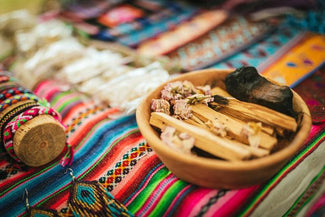
Tibetan incense is traditionally associated with herbal, woody and aromatic materials used in devotional, meditative and cultural contexts.
Different formulas can vary considerably, so it is best to avoid assuming that every Tibetan incense contains the same herbs, resins or medicinal ingredients.
Some people burn Tibetan incense during meditation or altar practice, while others simply enjoy its distinctive aromatic character.
Tibetan Incense Holders & Burners
Tibetan-style incense holders may be designed for sticks, ropes, powders or other incense formats depending on the product.
Always match the burner to the type of incense being used.
A suitable incense holder should sit on a stable, heat-resistant surface and allow ash or hot material to fall safely.
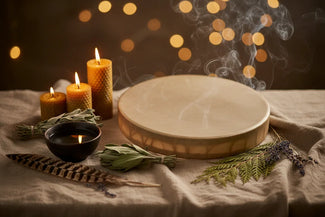
Home Altars & Sacred Spaces
A home altar can be simple or elaborate.
Some people include a Buddha statue, mala beads, offering bowls, incense and prayer flags.
Others choose only one or two objects that feel meaningful to their practice.
There is no need to fill a space with ritual objects for it to become a place of reflection.
The most important consideration is to treat sacred objects with respect and understand their symbolism where possible.
Tibetan Spirits for Meditation & Mantra Practice
Mala beads, statues, bells and incense can all play different roles within meditation or mantra practice.
A mala may help count repetitions.
A statue can provide a visual focal point.
Tingsha may mark the beginning or end of practice.
Incense may create a familiar atmosphere.
The object itself does not guarantee concentration, calm or spiritual progress; meaning comes from the practice and tradition in which it is used.
Buddhist & Himalayan-Inspired Gifts
Tibetan Spirits also offers thoughtful options for people looking for spiritual or symbolic gifts.
Mala beads, small statues, prayer flags, tingsha bells and altar objects can all make meaningful gifts when chosen with the recipient’s interests and practice in mind.
When gifting culturally or religiously significant objects, it is worth understanding the symbolism rather than selecting purely for appearance.
Craftsmanship & Provenance
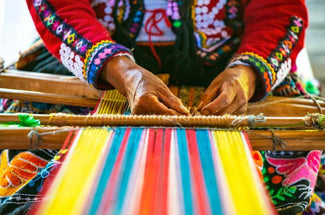
Some Tibetan Spirits pieces may be handmade or produced in Nepal, India, Tibet or elsewhere in the Himalayan region.
Where an individual product has confirmed information about maker, workshop, material, country of origin or ethical sourcing, that should be shown on the product page.
Claims such as “made by master artisans”, “family workshops serving monasteries for generations”, “ethical co-operatives” or “fair trade” should only be used where they are supported for the individual item or supplier.
Choosing a Tibetan Spirits Item
A useful way to choose is by purpose:
- For mantra practice: mala beads
- For meditation focus: Buddha or deity statues
- For ritual sound: tingsha bells or singing bowls
- For altar work: statues, offering bowls, vajras or scarves
- For fragrance and atmosphere: Tibetan incense
- For symbolic outdoor display: prayer flags
- For ceremonial gifting: khata scarves and selected sacred objects
From there, explore the individual piece and its specific symbolism.
Frequently Asked Questions
What is Tibetan Spirits?
Tibetan Spirits is a Sacred Essence artisan collection bringing together Buddhist and Himalayan-inspired statues, ritual tools, mala beads, incense, prayer flags and related sacred objects.
What are mala beads used for?
Mala beads are traditionally used for counting mantra repetitions, prayers or breaths. They may also be used in meditation and reflective practice.
What are tingsha bells used for?
Tingsha are traditionally associated with Tibetan Buddhist ritual contexts and are also used today to mark transitions during meditation, yoga and sound practice.
What are Tibetan prayer flags?
They are traditional Himalayan prayer flags printed with prayers, mantras or auspicious symbols and often placed where the wind can move through them.
What is a khata scarf?
A khata is a ceremonial offering scarf used in Tibetan and Himalayan cultures as a gesture of respect, welcome or blessing.
What is a vajra?
A vajra is a ritual object used within Vajrayana Buddhism and carries important symbolic and philosophical meaning.
What is Tibetan incense made from?
Formulas vary. Tibetan incense may contain combinations of herbs, woods, spices and other aromatic materials depending on the product and tradition.
Can non-Buddhists use mala beads or Buddhist ritual objects?
People from many backgrounds use mala beads and meditation objects, but culturally or religiously specific items are best approached with respect for their traditional meanings.
Are Tibetan Spirits items Fair Trade?
Only where this is specifically confirmed for an individual product or supplier should a Fair Trade claim be made.
Are all Tibetan Spirits products handmade?
Not necessarily. Check the individual product description for confirmed manufacturing and provenance information.
Can Tibetan Spirits items be used in yoga studios or meditation rooms?
Yes. Many items can be used respectfully as meditation aids, sound tools, altar objects or decorative sacred pieces depending on the setting.
Explore Related Collections
Related Guides
Related Blogs
Visit Sacred Essence in the Lake District
You can also explore selected Tibetan Spirits pieces at Sacred Essence in Coniston.
Our wider shop includes meditation tools, incense, singing bowls, mala beads, ritual objects and spiritual gifts.
If you are travelling for a particular statue, tingsha, mala or ritual item, please contact us beforehand so we can confirm current availability.
Visit Sacred Essence in Coniston
Please Note
Tibetan Spirits products are intended for cultural, devotional, ritual, meditative or decorative use according to the nature of the individual item.
References to compassion, wisdom, protection, blessing, cleansing or spiritual symbolism describe traditional, religious or practitioner-specific meanings rather than guaranteed medical, psychological or energetic effects.
Where items draw on living Buddhist, Tibetan, Nepalese or Himalayan traditions, they should be approached with respect for their cultural and religious context.